In an era where the messages of empowerment and equality echo through the hallways of our educational institutions, leadership alliances dedicated to campus safety and nonviolence have become not just relevant, but absolutely crucial. Within the feminist perspective, the intersection of safety, equity, and empowerment emerges as a clarion call—a manifesto for a generation yearning for change.
The dichotomy of power dynamics in academic spaces delineates the urgent necessity for a mobilized response to violence and harassment in campuses. How can we construct safe environments for women and marginalized voices if we do not join forces? Organizations like the Young Women Leadership Alliance have crystallized their mission at the juncture of advocacy and education, uniting diverse voices to foster a culture of nonviolence and allyship among students. Through this discussion, we unpack the essential roles these alliances play in the wider feminist movement, championing foundational change in our collective conscience.
How can we articulate the importance of campus safety from a feminist lens? This discussion will explore the following dimensions:
The Erosion of Safety in Educational Spaces
Campus should be a bastion of learning, creativity, and development, yet the reality starkly contrasts this ideal. Reports of violence, sexual harassment, and discrimination infiltrate corners of higher education institutions, transforming spaces of enlightenment into arenas of fear. High school students, even before stepping into college, are already dissecting these experiences through the lenses of their lived realities. It’s not enough to merely acknowledge the prevalence of these hardships; we must challenge and dismantle the systemic conditions that enable such violence.
The absence of safety in educational spaces disproportionately impacts women, particularly women of color and LGBTQ+ students. The corrosive effects of misogyny don’t just manifest in personal experiences; they permeate the very culture we exist in. When women feel unsafe, they may withdraw from full participation in academic pursuits, leading to a ripple effect that diminishes their voices, contributions, and aspirations. This reality emboldens the need for leadership alliances that don’t merely react to violence, but proactively cultivate a community rooted in safety and respect.
The Power of Collective Voices
Uniting our voices is paramount in reshaping narratives around violence and safety. Leadership alliances serve not just as support systems but as catalysts for mobilization. Through advocacy, these groups raise awareness and deliver potent educational programming that dismantles the myths surrounding violence against women. Feminist activism thrives on the amplification of marginalized stories, and what better platform exists than collective action?
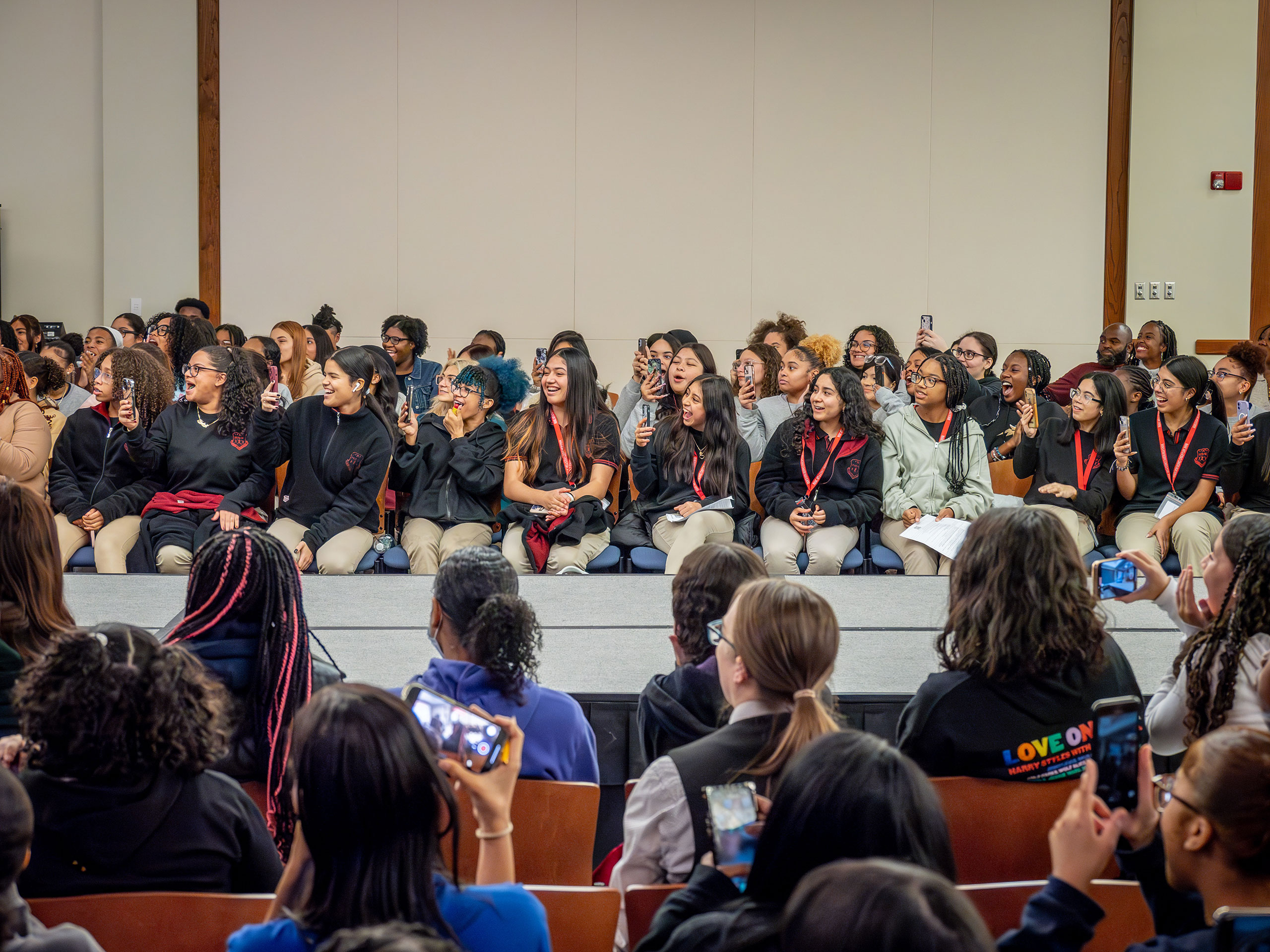
Imagine a scenario where young women lead workshops, transforming victims into survivors and advocates through shared experiences—this is the essence of empowerment. A conference staged recently illuminated the strength found within the bonds of sisterhood, where high school students lined the runway, showcasing their triumphs and resilience. It’s not merely a display; it’s an upheaval against societal restraints. Their presence is a declaration: they will take up the space they deserve, demanding safety and respect.
In empowering young students, we reinvigorate the core principles of feminism: autonomy, strength, and the unfettered right to exist without the specter of violence. The narrative must shift—safety on campus isn’t a privilege; it’s an essential right that all students deserve. The bonds cemented in the shared mission foster an environment ripe for innovation, discussion, and ultimately, transformation.
Redefining Leadership in Nonviolence
Leadership today must transcend the traditional notions of authority—it’s not just about holding titles or having influence. True leadership in the narrative of nonviolence is rooted in empathy and accountability. A new generation of leaders is emerging, one that is challenging age-old hierarchies and advocating for a more inclusive approach.
Consider young women standing fearless in the face of patriarchal norms—this is the essence of feminist leadership. Activism does not require a specific mold; its expression can be found in myriad forms. From organizing campus-wide campaigns to encourage bystander intervention to spearheading initiatives aimed at educating peers on consent and respect, feminism is pulsating vibrantly within the halls and classrooms of our schools.
Furthermore, dismantling the structures that do not prioritize nonviolence involves engaging men and boys as part of the solution. It isn’t about placing blame or ostracizing individuals but rather creates a culture of accountability where all voices can contribute to change. Leadership alliances must foster dialogues that invite these reflections. In doing so, we create environments that are fertile ground for growth and understanding.
Pathways to Solution-Driven Strategies
The road to sustainable change necessitates actionable strategies. Campus leadership alliances must prioritize the development of safety initiatives that focus on education and prevention, moving beyond the existing punitive measures that have often fallen short. Programs should include:
1. Comprehensive educational workshops that cover topics on consent, healthy relationships, and bystander intervention.
2. Mental health resources to support those impacted by violence and trauma, ensuring students feel heard and witnessed.
3. Collaboration with local organizations that specialize in advocacy and legal rights to provide our students with the tools they need to navigate these difficult landscapes effectively.
4. Leveraging technology to create platforms for reporting incidents of violence anonymously, making it easier for victims to step forward without fear or stigma.
5. Establishing partnerships with local law enforcement and community members to cultivate a multifaceted approach to safety that extends beyond campus borders.
Finally, as we cultivate these systematic changes, it’s vital that we empower the next generation of feminist leaders. This isn’t merely about addressing current issues but forging a legacy of enduring nonviolence and safety for future cohorts.
Engaging the Next Generation of Feminist Activists
As we rally together under the banner of nonviolence, we must remain vigilant in ensuring that younger voices are not just heard but treasured. It’s vital to instill in young people the idea that their concerns matter and that they possess the power to elicit change. We must highlight the significance of activism, instilling the belief that one person can indeed make a difference—and together, we are unstoppable.
Mentorship programs within leadership alliances can provide young feminists with the guidance and support they need to thrive. Engaging in activism is not a solo endeavor; it demands partnership, nourishment, and the willingness to learn from those who have traversed these roads before them.
In this dynamic landscape of activism, as we confront issues of safety and nonviolence, we must do so with clarity of purpose, determination, and an acute sense of our collective responsibility. The journey towards safety and equality is far from over, but with leadership alliances at the forefront, we embody the spirit of resilience and boldly declare that the campus landscape will transform into a sanctuary for growth, empowerment, and safety for all.