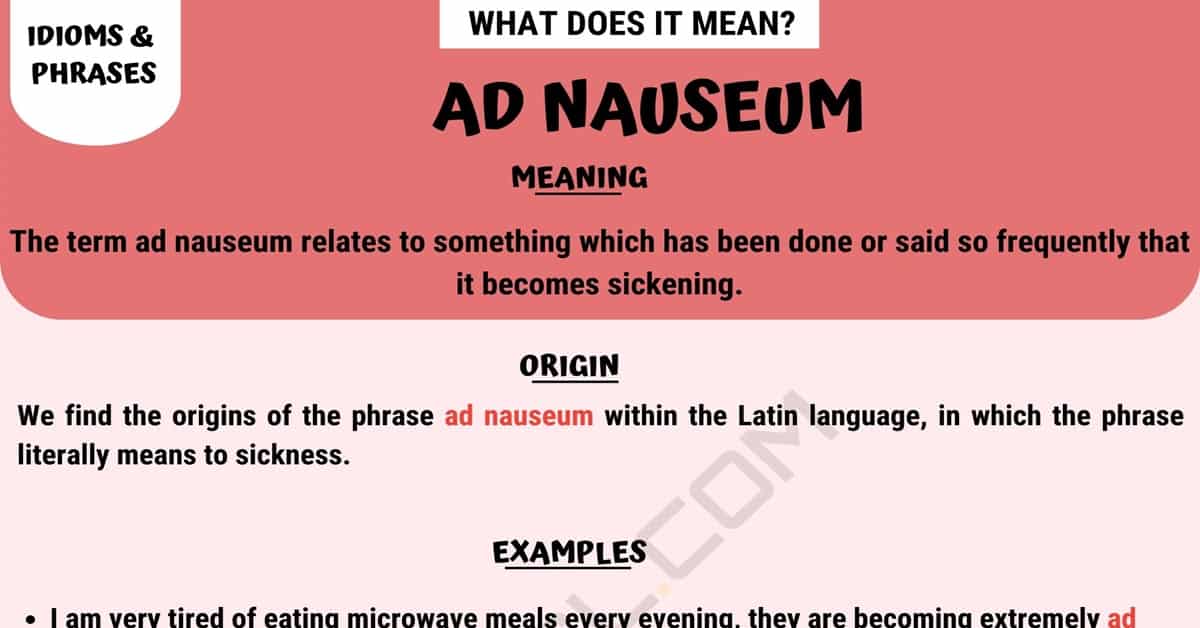
In a world saturated with visual stimuli, the scrutiny of women’s bodies transcends the mere act of looking; it becomes an insidious ritual deeply embedded in the fabric of media culture. The term “ad nauseum” aptly encapsulates this phenomenon, suggesting not only a relentless repetition but also a profound malaise. Examining this overwhelming fixation unveils the multifaceted implications it has on women, fueling an urgent discourse that is as provocative as it is necessary. Within this context, feminism emerges as both a lens and a battleground, challenging societal norms and beckoning a radical reassessment of how we perceive, portray, and ultimately, honor the female form.
At the heart of the dialogue surrounding women’s bodies in media lies the question: Why are we so obsessed? This obsession, often couched in the language of empowerment and beauty, actually serves a more sinister purpose—perpetuating a narrow definition of femininity and self-worth predicated on appearance. Media fervently showcases images that objectify, commodify, and fetishize women, compelling a collective consciousness that equates value with visual aesthetics. In this light, feminism must confront not only the overt sexualization of women but also the subtler, more pervasive narratives that dictate who is worthy of admiration and who is relegated to the peripheries.
As we unravel the layers of this media fixation, it becomes imperative to question the ramifications on women’s identity and agency. Does continual exposure to curated images engender empowerment, or does it conversely stifle individual expression? The assault of idealized beauty standards breeds a culture of comparison, where self-worth is juxtaposed against a farcical notion of perfection. Women are consequently caught in a dichotomy: on one hand, they are encouraged to celebrate their bodies; on the other, they are bombarded with impossible standards that perpetuate feelings of inadequacy. This cognitive dissonance underscores an urgent need for an uncompromising feminist critique.
Today, we delve into the media’s relentless obsession with women’s bodies, dissecting its ramifications through a feminist lens. We will explore the construct of beauty, the depiction of women in various forms of media, the historical context of these portrayals, and the way feminism can illuminate a path forward.
Unraveling The Myth of The Beauty Ideal
Beauty has long been encoded within societal parameters that are not only restrictive but also exclusionary. The prevailing ideal often mirrors Eurocentric and heteronormative standards, which renders vast swathes of women invisible. From film to advertising to social media, the pervasive imagery sends an unambiguous message: beauty is synonymous with whiteness, youth, thinness, and desirability. When media perpetuates these values, it not only crystallizes the concept of beauty but also renders it unattainable.
This unattainable ideal has dire consequences. A significant body of research connects the proliferation of idealized body images in media with negative body image, eating disorders, and a host of mental health challenges among women. Ironically, while the narrative often champions body positivity and self-love, it can just as easily yield feelings of alienation and inadequacy. Contemplating this paradox through a feminist framework allows us to advocate for a more inclusive definition of beauty—one that embraces diversity, authenticity, and individuality.
In response to oppressive beauty ideals, movements such as body positivity have sought to reclaim autonomy over women’s bodies. However, even within these progressive circles, one must tread cautiously. There is a peril in commodifying empowerment, where body positivity becomes yet another fad in the capitalistic machine, diluted into hashtag activism. Feminism thus holds a crucial role in dismantling the myth perpetuated by traditional media and advocating for a broader understanding of beauty that encompasses all identities.
The Narrative Shift: Women as Subjects, Not Objects
Historically, women have occupied the role of passive subjects within media narratives, often reduced to mere ornaments. The male gaze dominates cinematic and advertising campaigns, positioning women as objects to be consumed and scrutinized. This pervasive depiction not only impacts how women view themselves but also shapes societal attitudes toward femininity and sexuality. The portrayals foster a culture of entitlement, where women’s bodies are seen as public property, thereby perpetuating cycles of violence and exploitation.
However, as feminist voices burgeon, so too does the call for more authentic portrayals of women. The rise of women directors, writers, and producers championing narratives that celebrate women’s complexity marks a pivotal shift. To challenge the objectification, it is paramount that women are depicted as multi-dimensional beings—possessed of agency, intellect, and depth. Films, literature, and art that capture the myriad experiences of womanhood contribute to a disruption in the traditional tropes that have long governed media representations.
A progressive feminist critique demands that we not only articulate the need for more accurate portrayals but also interrogate the structures that perpetuate objectification. The urgency for change implores us to support media that reflects the richness of diverse feminine experiences, moving beyond a monolithic representation that has stifled diversity for far too long.
Feminism and The Digital Landscape: A New Frontier
The advent of social media has engendered both opportunities and challenges in the discourse surrounding women’s bodies. The democratization of content creation empowers individuals to narrate their stories, resisting the hegemony of traditional media. Platforms like Instagram are rife with imagery that can both uplift and undermine. On one hand, influencers and everyday women use these platforms to celebrate their unique bodies and advocate for authenticity. On the other, the allure of ‘likes’ and validation can inadvertently reinforce harmful beauty norms.
Feminists must engage critically with this new terrain, acknowledging both its potential for liberation and its capacity for perpetuating consumerist ideals. Has social media positioned women as authoritative voices, or has it further entangled them in the web of objectification? To navigate this conundrum effectively, it is essential for feminist activists to harness the power of digital platforms—utilizing them for advocacy and education while remaining vigilant about the potential pitfalls of performance over authenticity.
Embracing Intersectionality: Beyond The Body
Ultimately, conversations about women’s bodies are inextricably linked to discussions of race, class, disability, and other intersecting identities. Feminism that recognizes the complexities intrinsic to these intersections cultivates a holistic approach to addressing media representations. The portrayal of marginalized bodies is often exponentially more fraught; thus, the insistence on inclusive narratives is paramount.
The fixation on women’s bodies ad nauseum can no longer be examined in isolation. It demands an intersectional lens that amplifies the voices of all women, particularly those relegated to the margins. The promise of a more equitable future lies not only in challenging the prevailing norms surrounding beauty but also in fostering a media landscape that contributes to the dismantling of oppressive hierarchies.
In conclusion, unpacking the media’s obsession with women’s bodies invites a vast and crucial conversation. Feminism stands as a pivotal force, interrogating the damaging narratives that pervade our societal consciousness. Through advocacy, education, and an unwavering commitment to representation, we can begin to reshape the cultural landscape where women are not merely seen and objectified, but heard and celebrated for their multifaceted identities. As we collectively navigate the complex narratives surrounding women’s bodies, let us envision a world that transcends outdated paradigms and beckons toward radical equity and liberation.