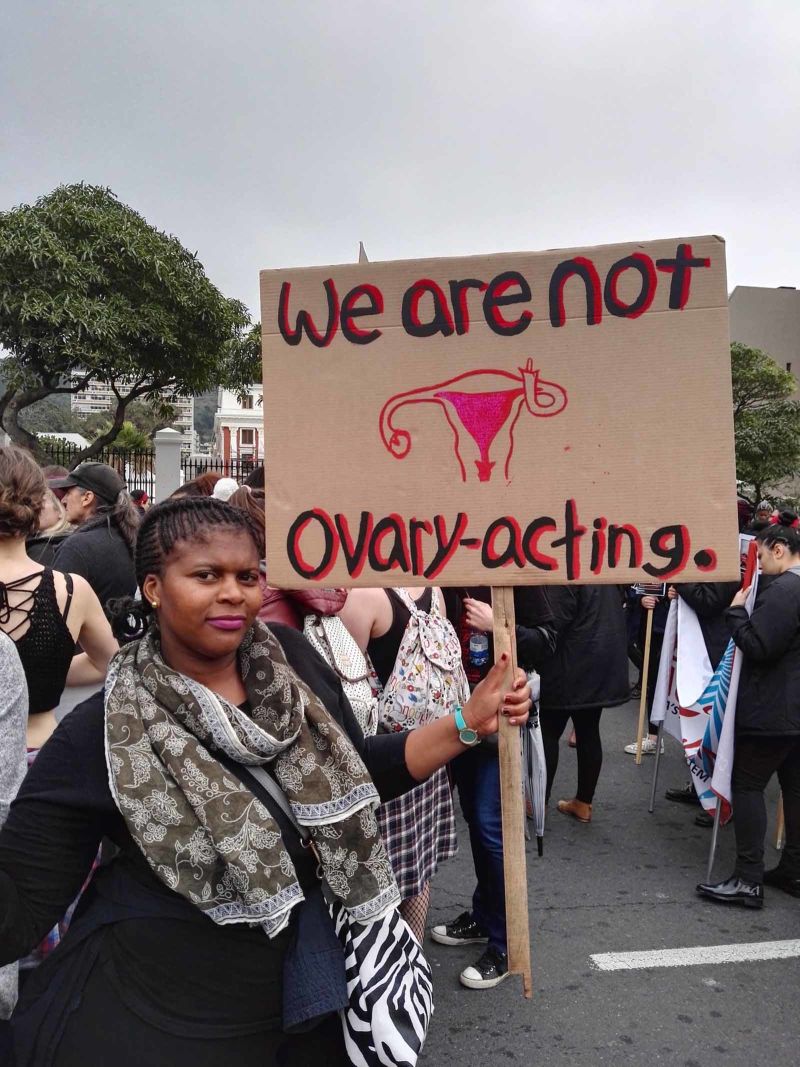
In a landscape beset by systemic oppression, the hashtag #MeToo isn’t just a viral movement; it’s a clarion call for justice. Yet, as we witness women taking charge and demanding meaningful action against gender-based violence (GBV), one question looms larger than life: who holds the power accountable? The time has come for women to declare a bold manifesto—not just for justice, but for a seismic shift in societal norms that have long shielded perpetrators.
The constellation of misogyny and patriarchy thrives on silence and complicity. But today, young women are rising, driven not only by rage but by a courageous clarity that demands we question everything we thought we knew about accountability. They are no longer content to be sidelined to the margins of victimhood, nor to witness justice served as a mere luxury. Instead, they’re at the vanguard of a movement that requires systemic change, unwavering support, and, crucially, accountability. It’s time for us to face the painful truth: the system is rigged, and it’s our responsibility to untangle the web of complicity that protects male aggressors at the expense of female survival.
It’s imperative to examine what accountability truly means in the realm of gender-based violence. At its core, accountability is not merely about punitive measures—it represents a holistic transformation of societal attitudes toward women and their bodies. For too long, women have been instructed to adapt to their circumstances, to tread softly in spaces that should be theirs just as much as anyone else’s. This distinctly unfeminist posture needs to be challenged. To begin with, the concept of accountability must be grounded in recognizing and validating the experiences of survivors. They must not be treated as collateral damage in the machinery of justice but as integral components of a framework that demands a conscientious reckoning with patriarchal culture.
Collectively, women are re-examining the very essence of rape culture—a corrosive ideology that permeates our educational institutions, workplaces, and social gatherings. It engenders an environment where aggression is often mistaken for masculinity, leaving women either vilified or disregarded. The spotlight on GBV can no longer be just a flicker; it must burn brightly until it illuminates the ugly edges of complacency and complicity that allow violence to flourish.
One cornerstone of this awakening is the acknowledgment that gender-based violence isn’t merely a women’s issue; it’s a societal catastrophe that implicates every one of us. Male allies must step up and take a stand—a responsibility that extends far beyond liking a social media post or donning a “He for She” T-shirt. True accountability involves not only vocal support but a relentless commitment to dismantle the very structures that perpetuate inequality. We need men to engage in continual education, to confront their own biases, and to challenge the misogynistic attitudes that exist within their circles. This is not about blame; it’s about collective liberation.
Nevertheless, the promise of the time is not without its shadows. The corporate and political spheres are riddled with individuals who profess solidarity yet donate generously to organizations that perpetuate violence against women. The cozy intersection of politics and patriarchy must be dismantled if we wish to see tangible change. Here’s where vibrant outrage intertwines with determined activism, serving not only as a protest against gender-based violence but as a fierce critique of our socio-political apparatus. We must demand that corporations and governments hold themselves accountable; big promises to fight GBV must translate into firm actions, systematic changes, and tangible policy reforms!
To penetrate the dense fog of indifference, educational institutions must become battlegrounds for accountability. Universities are where minds are molded and ideologies are shaped—the environment provides fertile ground for young women and men to forge a deeper understanding of consent, respect, and healthy relationships. It’s crucial that discussions around GBV take center stage in curricula, replacing insensitive jokes with open dialogues that dissect the harmful stereotypes and behavior patterns that continue to exist. We ought to revolutionize the way we educate—shaping future generations who will not only recognize gender-based violence but will be equipped with the tools to challenge and dismantle it.
As we consider community accountability, we can no longer afford to merely react to violence. Prevention must be our cornerstone. Programs that empower women and challenge patriarchal structures can be potent tools for creating safer environments. Engaging young people in mentorship programs where they can learn about healthy relationships sets the stage for generational change—a powerful trajectory toward equality and respect.
The arts and social media also play monumental roles in this push for accountability. From film to literature, creative expression can showcase the harrowing experiences of survivors while also celebrating resilience. We must lean into storytelling, revealing the nuanced realities of GBV and urging young artists to capture the essence of these experiences in their work. Amplifying diverse voices fosters a community dialogue that enables us to confront uncomfortable truths while also fostering empathy and understanding. Inviting young activists into these spaces generates a ripple effect—each voice adds color to a broader narrative dedicated to accountability.
Ironically, as we tread into this empowering era of activism, cautionary tales also loom large. Quick-fix solutions, viral content, and social media outrage often obscure the complexities of accountability. This is where we must tread carefully, ensuring that sensationalism does not overshadow the lived experiences of survivors. Don’t let hashtags be the extent of action; let them serve as inciters for sustained engagement and the foundation upon which a nuanced understanding of GBV emerges.
To conclude, the accountability we seek must resonate deep within our communities and manifest as a commitment beyond trending hashtags or occasional protests. It’s about forging a lasting culture of support and education, one where the echoes of women’s voices demand not only acknowledgment but dynamic reforms. In rallying together, women can forge an audacious conviction—one that heralds systemic change and, ultimately, a world where women can exist without the shadow of violence. This is not merely a fight for justice; it is the emergence of a new ethos that embraces accountability, courage, and, above all, hope.