The visual language of feminism embodies a profound narrative—an intricate tapestry depicting the relentless struggles and triumphs of women throughout history. It is not merely a series of images; it is a crystalline window into the social and political upheaval that has continuously defined woman’s quest for equality. Each photograph, painting, and protest poster serves as a historical marker, encapsulating the zeitgeist of various movements, catalyzing conversations, and challenging the status quo. This exploration will illuminate the evocative power of visual media as a vital tool in the ongoing fight for women’s rights.
The imagery associated with women’s rights serves as a powerful catalyst for social change. It fosters recognition and solidarity while also provoking dissent. The audacity of representation is undeniably potent, urging society to confront uncomfortable realities. The visual history of women’s rights struggles is a vital repository of lessons learned and battles fought, yet it is often glossed over or misrepresented in mainstream narratives. We must delve deeper into how these representations have shaped, and continue to shape, the feminist discourse.
Unpacking the visual history reveals a striking evolution in the portrayal of women’s rights—from the candid photographs of early suffragists to the powerful graphics of contemporary movements like #MeToo. This picture of progress underscores the dynamic interplay between art, politics, and social movement. It compels one to consider: how have women represented themselves, and how have they been represented by others?
The Suffragette Movement: The First Brushstrokes of Feminist Visual Culture
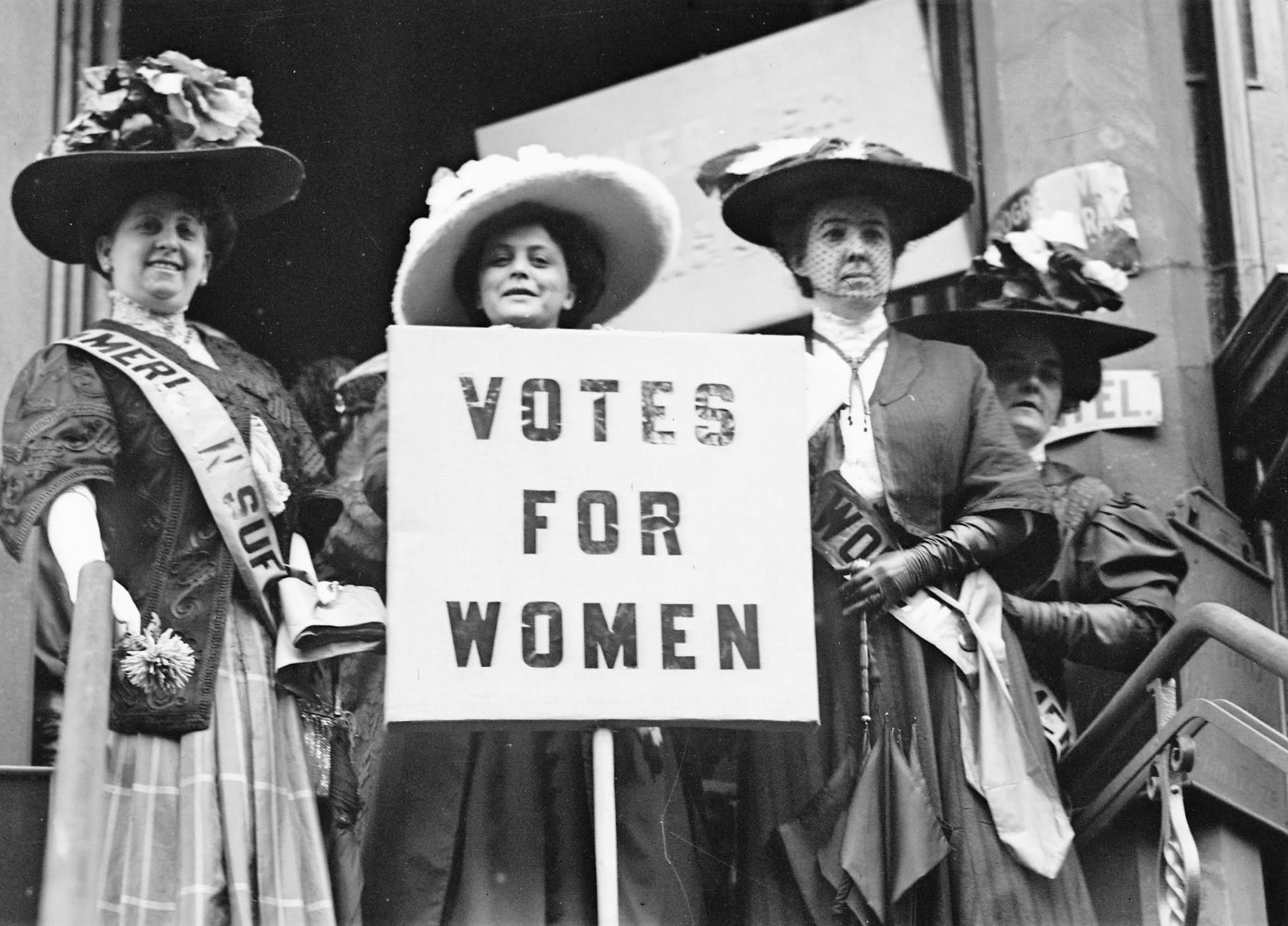
The journey of visual storytelling in the realm of women’s rights crystallizes during the suffragette movement of the late 19th and early 20th centuries. Photographs from this era showcase women unflinchingly engaged in protests, stoically marching with banners aloft and defying the patriarchal expectations that sought to confine them. These images were more than just documentation of events; they were a clarion call for action aimed at galvanizing public support.
During this tumultuous period, visual art became a means of empowerment. Artists like Inez Milholland embodied the struggle—her portrait became emblematic of the fight against gender oppression. Milholland, often depicted astride a white horse, symbolized the courage and determination of suffragists, challenging norms and asserting their claim to participation in public life. Such imagery elevated women’s struggles beyond private spaces, placing them firmly in the public consciousness.
The suffragists themselves were acutely aware of the significance of visuals. They orchestrated grand parades and created wearables like the “Votes for Women” sashes that transformed women’s bodies into political canvases. This strategy underscores an essential aspect of feminist visual culture: the prerogative to occupy space and assert visibility. The iconography of the suffragette evokes introspection, pushing viewers to confront the narratives they wish to embrace or dismiss.
The Intersection of Race, Gender, and Representation
However, the visual history of women’s rights cannot be divorced from the intersecting realities of race and class. The suffragette movement, while crucial, often marginalized women of color, showcasing a troubling dichotomy that persists in feminist discourse today. The absence of black women in these early visual narratives is a stark reminder of how privilege shapes representation. Figures like Ida B. Wells and Sojourner Truth made grand efforts to advocate for the inclusion of all women in the suffrage movement, yet their contributions are frequently relegated to the footnotes of history.
Photography became an invaluable tool in highlighting these disparities. The work of artists and activists in the 1960s and 70s, such as Roy DeCarava, brought the realities of black womanhood to the forefront. This period marked a radical shift in how women of color were portrayed within the context of liberation movements—often marked by fierce resistance to both gender and racial oppression. Imagery depicting the struggles and triumphs of women of color opened up critical discussions about inclusion and intersectionality within the broader feminist movement.
In recent years, contemporary protests like Black Lives Matter have further illuminated the importance of visual representation. Images circulated on social media demonstrate how the shared experiences of women across different racial backgrounds can create powerful coalitions. By foregrounding the narratives of those historically marginalized, this era of visual activism challenges simplistic notions of feminism and embraces a more nuanced understanding of collective action.
The Digital Age: Reimagining Feminist Visual Narratives
The advent of digital media has irrevocably transformed how women’s rights are represented and perceived. Social media platforms serve as incubators for visual activism; they enable individuals to disseminate imagery that ignites debate and encourages reflection. The viral nature of content allows for a plurality of voices to emerge, creating a decentralized narrative that defies traditional boundaries of feminist representation.
Contemporary artists and activists employ memetic humor and striking graphics to convey potent messages, often challenging societal norms around gender, sexuality, and power. The pictures generated through hashtags like #MeToo and #TimesUp serve as visual testimonials that capture the pervasive culture of harassment. This collective imagery catalyzes personal stories into a broader dialogue about systemic oppression, establishing a visual lexicon that is readily accessible and compelling.
The power dynamics inherent in visual representation become more pronounced in the digital era. As viewers, we must interrogate the intention behind these images. Are they being co-opted for commercial gain, or do they genuinely seek to empower? The multiplicity of interpretations surrounding these visuals reflects the broader complexities of feminism itself. Often, what is celebrated can simultaneously oppress, making it necessary to examine the intent and impact of visual narratives critically.
Furthermore, the relationship between image and text remains vital. Powerful slogans and profound quotes juxtaposed with impactful imagery create a narrative-rich environment. This interplay invites engagement and discourse—inviting viewers not only to observe but to partake actively in the conversation surrounding women’s rights.
The visual history of women’s rights struggles is an evolving canvas, rife with complexity that challenges simplistic understandings of feminism. As we reflect upon this rich tapestry, we are reminded of the power vested in representation—the undeniable influence of visual culture in shaping societal attitudes and actions. This historical exploration unearths the myriad voices that have contributed to the crescendo of feminist discourse, underscoring the imperative to stay vigilant in amplifying those voices that still remain on the margins.
To envision a future steeped in gender equity, we must harness the evocative potential of images. They invite us to question, reflect, and propel the discourse forward, prompting a continuous cycle of critique and celebration. Ultimately, the narrative remains unwritten, awaiting the next chapter in this ongoing struggle for justice and equality—one powerful image at a time.