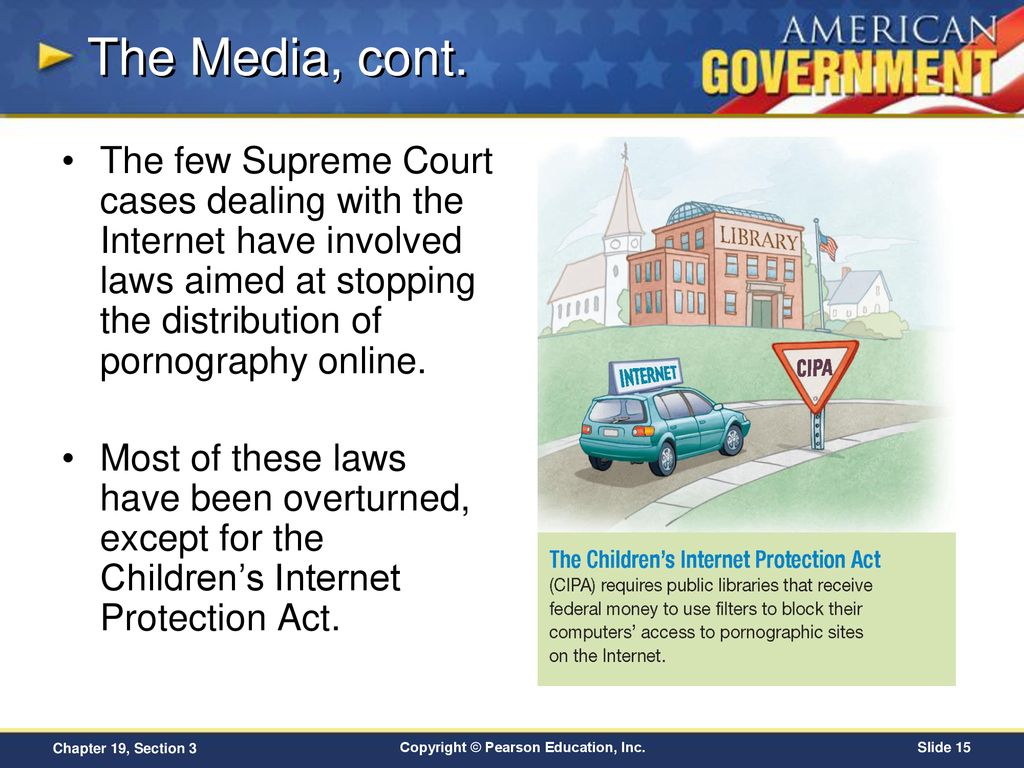
In a monumental judicial move, the Supreme Court has once again thrust itself into the fiery debate surrounding internet pornography, igniting not just legal deliberations but societal reckonings. This decision to block a law aimed at restricting pornography online resonates powerfully through the feminist lens. It tasks us with scrutinizing the implications of digital freedoms versus the pervasive struggles against the commodification of women’s bodies. In a realm where feminist discourse intersects with technology, the courtroom becomes a battleground for critical conversations regarding autonomy, morality, and the very fabric of our digital society.
The landscape of feminism is vast and multifaceted, and as feminists, we must interrogate how laws are constructed, who they benefit, and who they ultimately silence. The recent ruling presents an opportunity to delve into these inquiries, engaging a younger audience that is innately digital, intersectional, and increasingly wary of censorship. It calls into question not just what freedom means, but who gets to claim that freedom and how it varies across different demographics.
What does it mean for a society to legislate desire, to impose moralistic ideals on deeply personal realms? Here we unravel the complexities of the Supreme Court’s decision and its broader implications for feminism, autonomy, and the future of digital expression.
The Fuzzy Line Between Protection and Censorship
Many proponents of laws aimed at regulating online pornography argue that their intention is to protect vulnerable populations—specifically, minors—from exposure to potentially damaging content. Yet, this perspective is myopic and fraught with implications that could lead to greater harm than good. Feminism has long advocated for the empowerment of individuals to make choices about their bodies and their desires, which places a spotlight on the dilemma of state-sanctioned morality.
When legislatures attempt to legislate our online interactions, who are they ultimately “protecting”? The language of protectionism can often mask underlying agendas: the desire to police sexuality and reinforce patriarchal standards. Such legislation can easily morph into tools for silencing marginalized voices—women, queer bodies, and others who subvert traditional norms.
For a generation that experiences sex positivity through platforms like OnlyFans and adult content creators who reclaim their narratives, this court ruling resonates. It emphasizes that censorship under the guise of protection can lead to the very oppression that feminism seeks to dismantle. As young activists, we must grapple with the nuanced divergence between safeguarding youth and undermining the sexual autonomy and expression of adults.
The Dangers of Moral Policing
Moral policing is insidious, creeping into various dimensions of our existence where discomfort with sexuality breeds legislative action. This Supreme Court ruling invites us to interrogate the implications of such state involvement in our sexual lives. The law that was blocked was painted with broad strokes of “protecting minors,” yet it cast a pall over numerous sexually liberating expressions that many adults advocate for.
When lawmakers insert their opinions about what’s “acceptable” into the tapestry of sexual expression, they wield a dangerous sword—one that threatens not just individual agency, but also perpetuates harmful stereotypes. Female sexuality, when framed predominantly as problematic or needing regulation, is an affront to the empowerment narratives we’ve fought so hard to build. Censorship around pornography often hinges on patriarchal narratives that deem female desire as dangerous, thereby justifying policing and limitation. We must ask ourselves: who benefits from these constraints, and at what cost?
The Power of Consent and Autonomy
At the very heart of the feminist movement is the notion of agency, the unequivocal right of individuals to dictate their experiences with their bodies. The Supreme Court’s decision to block this law is a reaffirmation of autonomy—both in terms of what individuals can choose to consume and what they can create. In a digitally saturated world, this autonomy extends beyond mere choice; it encapsulates the idea that we, as empowered agents, define our identities through our expressions.
Read this: consent is not just about giving permission; it’s an ongoing communication, a dialogue of respect and understanding that permeates all facets of sexual interaction. The digital sphere has provided a platform for many to articulate their desires transparently, allowing for unprecedented sexual agency. A ruling that protects this space from overreach is a step towards realizing our multifaceted identities, where the celebration of diverse sexual expressions takes center stage.
Commercialization and the Economy of Desire
The internet has revolutionized the landscape of adult content and sexuality, democratizing what was once a niche market dominated by major corporations. Today, we witness a burgeoning economy built by and for individuals—especially women—who reclaim sexual narratives and monetize their expressions. The Supreme Court’s ruling can be interpreted as a protective measure for this burgeoning industry. Feminism stands firm in favor of reclaiming sexual autonomy and ensuring that individuals can profit from their labor without obstruction by conservative moral frameworks.
However, with this economic empowerment comes a critical responsibility. As we cheer for the freedom to express ourselves sexually online, it is essential to engage in conversations about ethical monetization and mutual respect in the realm of adult content. Are we, as a community, adequately addressing exploitation, consent, and the dynamics of power that can arise even in these seemingly liberated spaces?
The intersectionality of feminism positions us to navigate these difficulties head-on. A young feminist audience must remain vigilant and vocal, ensuring that the freedom granted by this Supreme Court decision does not inadvertently perpetuate other forms of inequality, such as racial, class, and gender disparities. It’s about time we take an intersectional approach in our digital activism to address the complex layers inherent in the pornographic landscape.
Navigating the Future of Digital Expression
The landscape of the internet is ever-evolving, and the decision by the Supreme Court serves as both a challenge and an opportunity for feminists striving for liberation in a digitized world. Ask yourself—what does the future of digital expression look like through a feminist lens? Now, more than ever, we are presented with the chance to shape discussions around sexuality, autonomy, and the ramifications of censorship.
As young feminists, let’s seize this moment to articulate our positions clearly. We must champion free expression while remaining vigilant against the encroachment of patriarchal norms masquerading as protective legislation. Let’s advocate for an internet that champions diversity and encourages all individuals to explore their identities and desires in a safe, consensual, and supportive environment.
In conclusion, the Supreme Court’s ruling is a rallying cry for feminists everywhere—beckoning us to celebrate our autonomy while grappling with the complexities of desire in a digital age. It is a chance to redefine what it means to be sexual beings in a world rife with contradictions. We are agents of change, wielding our voices to advocate for a future where expression knows no bounds, and empowerment becomes the cornerstone of our digital interactions.