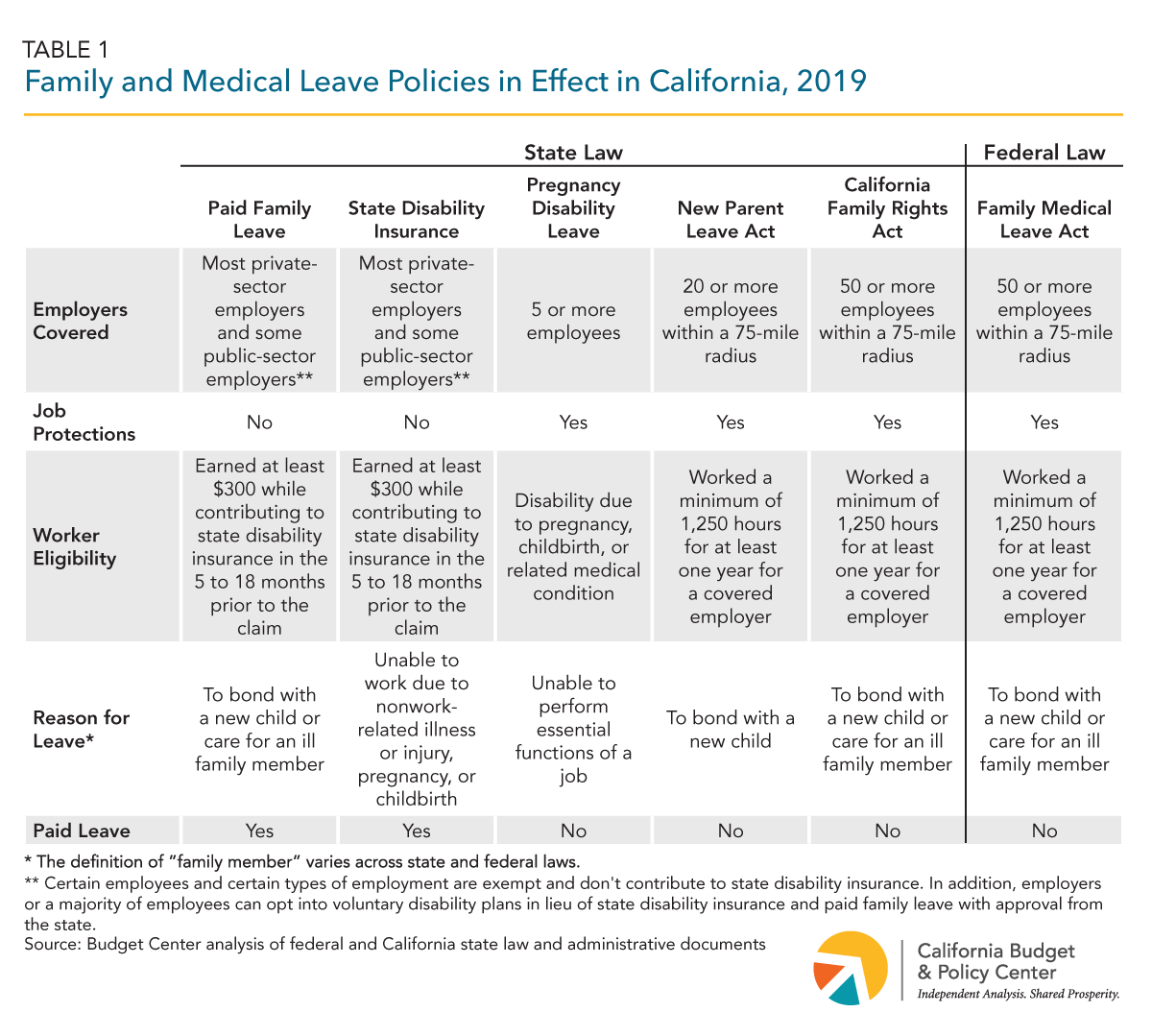
Paid Family Leave (PFL) in California marks a revolution, the astoundingly ambitious initiative that aims to balance the scales of equity for all genders and empower the working-class populace, especially women and marginalized communities. Let’s delve into the intricacies of this landmark legislation, examining its implications through a feminist lens.
The notion of paid family leave disrupts traditional gender roles by recognizing that caregiving is not solely a woman’s responsibility, but a shared obligation. While critics might scorn such a repartitioning of labor, the reality is that a reimagined approach to family leave is crucial in fostering equality—not only within familial structures but also in the workplace. The advent of California’s Paid Family Leave Law heralds profound changes that ripple far beyond a mere policy shift. Let’s unpack the multifaceted perspectives surrounding this law.
In a society that incessantly demands more from its workers while providing scant support, California’s Paid Family Leave Law isn’t just beneficial—it’s absolutely necessary. As more of our younger generation engage in the workforce, the fight for equitable parental and caregiving leave intensifies. Families are not only made up of biological ties; they often include chosen families, caregiving responsibilities for parents, siblings, and even grandparents. By championing this cause, we’re redefining what it means to be a family in modern America.
When considering California’s PFL, one must make a critical inquiry: What does it mean for the feminist movement? This legislation serves as a platform on which we can pivot toward systemic change, encouraging a cultural shift that validates caregiving as a respected profession in its own right. The implications are monumental.
The Obstacles of Traditional Gender Roles: Unpacking the Burden
Historically, caregiving has been relegated to women—a stereotype that interlaces itself with systemic sexism and economic discrimination. Women often find themselves at the intersection of career sacrifices and familial obligations. Isn’t it time we disrupt that narrative? Traditional gender roles must be dismantled to achieve real justice. California’s approach to paid family leave shatters these antiquated ideas, stating unequivocally that men, women, and anyone else in a familial situation should benefit from this essential right.
In the past, many men may have felt they had to choose between being present at home and maintaining their careers. The PFL law encourages paternal involvement and confronts the stigmatization surrounding male caregivers. Considering the glaring disparities in how responsibilities are shared within households, this is a groundbreaking evolution that challenges the traditional dichotomies of domesticity and profession.
Furthermore, how can we ignore the economic implications of perpetuating outdated gender norms? Women are often penalized in the workforce for taking time off to care for children. The PFL Law fosters an environment in which caregiving can coexist with professional advancement, thereby generating long-term economic benefits for the entire community.
Equity and Inclusion: A Legal Framework for Feminism
Let’s normalize the idea that leave should not hinge on the gender of the caregiver. With PFL firmly in place, the conversation can shift from a focus solely on mothers to an expansive recognition that fathers, grandparents, and loved ones all contribute to family unity and wellbeing. The real magic lies in how this law embraces the diversity of family structures—no two families look the same, and we ought to celebrate that variety.
Younger generations demand more from our legal frameworks, expecting inclusivity as a non-negotiable standard. The PFL not only enhances the visibility of queer parenting and single-parent households, it also emboldens tired narratives that privilege heteronormative family dynamics. The law creates space for all families, affirming that family leave is an individual right, inherent to every caregiver.
Furthermore, California’s Paid Family Leave Law sets a powerful precedent that other states can follow. By providing a formal legal framework, we raise the stakes in the ongoing battle for universal family leave across the nation. It’s time to take the lessons learned in California to lobby for a national policy that acknowledges the various cultures and experiences that constitute the family unit. We’re talking about policies that not only acknowledge but actively support gender-neutral caregiving.
From the Boardroom to the Living Room: Redefining Corporate Responsibility
The implementation of PFL also compels corporations and businesses to reevaluate their philosophies regarding the treatment of employees. Committing to a culture of respect and care should be considered non-negotiable, just as diversity and inclusivity have become watchwords in contemporary corporate ethos. What does this mean for the average employee? It means you’re no longer a cog in the machine; your personal life and wellbeing matter.
As companies begin to adopt family-friendly policies that align with the ethos of the PFL, we should commend them for this stride forward. Yet, we must also strike a note of caution. Not all corporations will embrace this change willingly. Rather than viewing PFL as a burden, they ought to approach this as an investment in human capital. Employees who feel secure in their caregiving roles are more engaged, productive, and loyal. A healthier workforce contributes to greater profitability; the evidence cannot be overstated.
However, the struggle to institutionalize these ideals poses questions. One must ask: How much of a commitment are corporations willing to make? Women, particularly, have been conditioned to compromise their ambitions for family responsibilities—but liberating legislation can only go so far without an accompanying shift in corporate culture. It’s imperative to challenge corporations to include diversity, equity, and inclusion (DEI) initiatives that actively support caregiving leave. If we rally together to demand accountability, we can reshape the narrative surrounding caregiving roles.
Conclusion: A Call to Action
California’s Paid Family Leave Law serves as more than just legislation; it is a clarion call for profound societal transformation. In a time when the conversation around gender equality is gaining traction, this law is undeniably relevant. By establishing a framework that supports diverse family dynamics, dismantles harmful stereotypes, and empowers caregivers of all genders, California has set the bar high for other states to follow suit.
It’s an exhilarating moment in time, laced with opportunities for us all. Yet, this is only the beginning. For this change to be truly meaningful, it requires a collective effort—each one of us must hold our leaders accountable. We must demand workplaces that treat carers with the reverence they deserve. To everyone reading, whether you’re a young activist or a curious skeptic, get involved in the conversation surrounding caregiving and family leave. Our communities are counting on us to champion a future that is equitable, inclusive, and radically feminist.