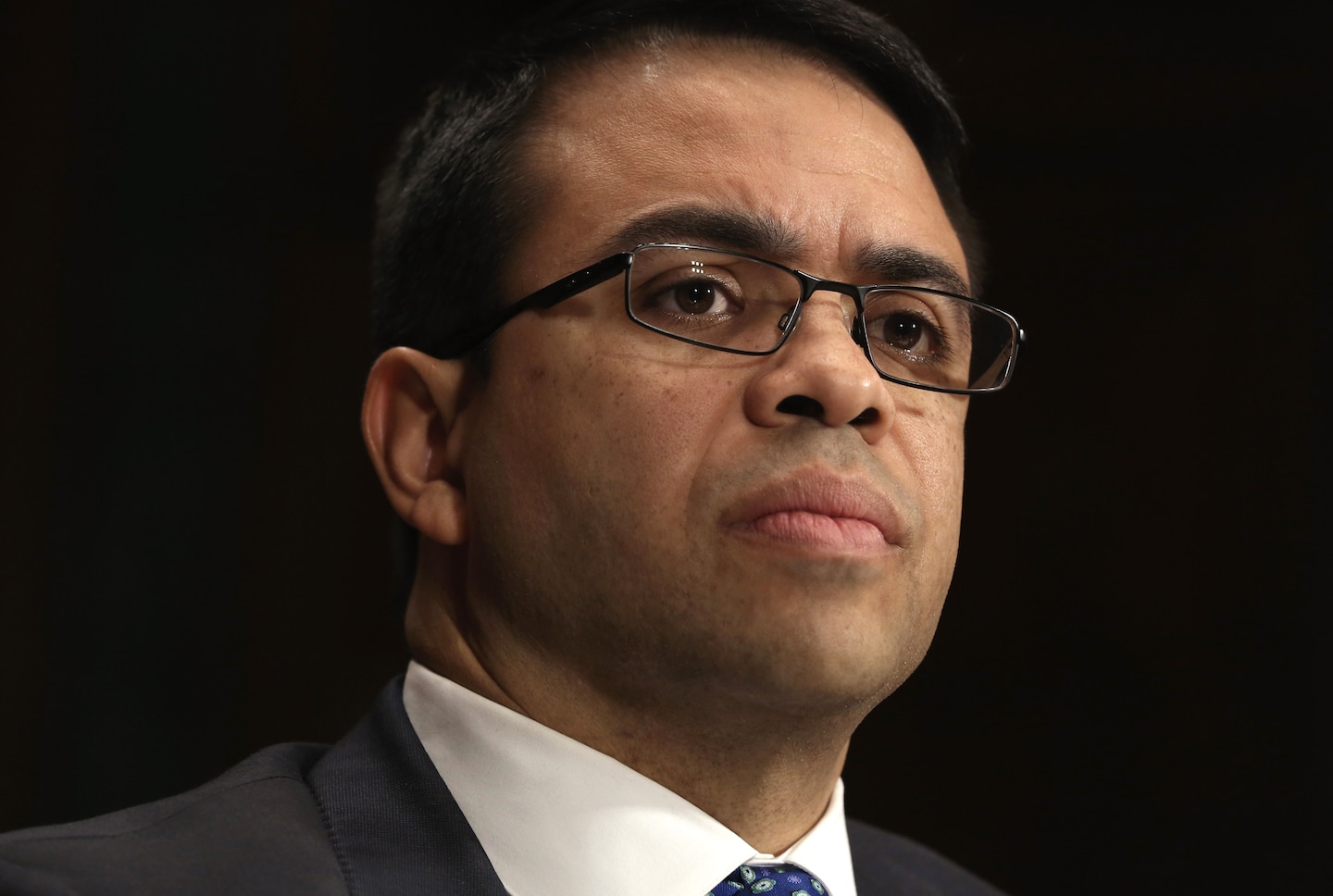
In a resounding display of collective resistance, Senate Democrats recently thwarted the ascendancy of a particularly controversial judicial nominee—the implications of which reverberate fiercely within the feminist movement. This critical moment extends far beyond the confines of partisan politics; it illuminates the broader conversation about the implications of judicial appointments on women’s rights, access to reproductive health care, and social equity. It is a lighthouse amidst turbulent waters, promising a paradigm shift that could redefine the judiciary’s role in perpetuating or dismantling systemic inequalities.
It is imperative to scrutinize the prevailing narratives surrounding judicial nominations and discern their potential ramifications on the lived experiences of women. The blocking of a right-wing judicial appointment signals a moment of awakening, where a political cohort amplifies the voices of marginalized populations. Understanding the ramifications of this action leads us to examine the significance of the judiciary in shaping the legislative landscape that governs our lives.
The opposition to this nominee is emblematic of a broader feminist struggle—one that insists on the recognition and protection of women’s rights within the legal framework. The battle is far from over, yet it is marked by moments of victory that should inspire and embolden advocates of gender equity.
Judicial Appointments: An Overlooked Catalyst for Change
When we consider judicial appointments, it is often through the lens of political machinations and ideological alignment. However, these nominations are far more than mere chess pieces on a lofty political game board; they directly influence women’s rights at the most foundational levels. A judiciary composed of regressive ideologues can jeopardize established precedents that safeguard reproductive rights, anti-discrimination laws, and access to healthcare. The consequence? Women become collateral damage in a game played by political elites.
The rejection of the nominee signals a repudiation of extremist ideologies that threaten to roll back hard-fought victories in women’s rights. It showcases the commitment of Senate Democrats to strategize not just for the present but to create a legacy wherein women’s rights are protected rather than endangered by judicial oversight.
The Feminist Perspective: Deconstructing the Issues
Feminism, at its core, seeks to dismantle the structures that perpetuate gender inequality. The nomination of judicial candidates with known anti-feminist sentiments serves as a stark reminder of the persistent threat that looms over women’s autonomy. When Senate Democrats block nominees with regressive stances, they send a clarion call that women will not suffer the consequences of ill-informed or ideologically driven judicial decisions.
This triumph should not be viewed in isolation, divorced from the reality of women’s daily struggles. Instead, it is a moment that invites critical reflection on systemic patriarchy ingrained in our legal institutions. The steadfast opposition to this nominee lays bare the ideological battleground upon which the rights of women are fought. Senate Democrats’ action is not merely a political stance; it is a revolutionary act of solidarity with feminists across the nation.
A Shift Towards Empowerment: The Power of Collective Action
Collective action forms the bedrock of feminist activism. The collaborative efforts of various women’s rights organizations in mobilizing opposition against the nominee exemplify how grassroots activism directly influences political outcomes. In an era where advocacy can often feel futile, this instance provides a refreshing reminder of the transformative power of communal dissent.
It is in these moments that we witness the potential for systemic change. The resistance against this nominee represents a collective refusal to accept the dismantling of women’s rights as an inevitability. Rather, it signals a dawning awareness that judicial appointments are a pivot point in the ongoing fight for equality. This revelation invites curiosity about what more can be accomplished when women unite against discriminatory practices.
Navigating the Aftermath: What Lies Ahead?
While this blockade represents a significant achievement, it is crucial to avoid complacency. The political landscape is fraught with uncertainties, and the ideological battle to secure women’s rights is far from resolved. Instead, it fosters a sense of urgency about the need for sustained advocacy and vigilance against future judicial appointments that threaten civil liberties.
Moreover, there is a pressing need for further exploration into how we can bolster women’s representation within the judiciary itself. The pathways to empowerment must include not only the opposition to regressive nominees but also the elevate feminist voices who can advocate for just and equitable laws from within the courts. Diverse perspectives enrich the judicial landscape, ensuring that women’s experiences are integral to legal interpretations and decisions.
Understanding the Complexity of Judicial Impact
Delving deeper into the implications of judicial influence invites introspection on the nuances of power dynamics. The judiciary does not function in isolation; rather, it reflects and reinforces societal norms and values. Understanding this connection urges us to be critical of whom we empower to interpret and uphold the law. The rejection of reactionary judicial nominees stands as a stark reminder of the need for vigilance and advocacy to reshape the narrative surrounding women’s rights.
The feminist perspective must remain steadfast in addressing the complexities surrounding judicial appointments, advocating an expansive definition of equality that incorporates diverse experiences and aspirations. This approach cultivates an ecosystem where laws do not simply reflect patriarchal biases but empower and uplift the voices of those who have historically been marginalized.
In Conclusion: Building a Future with Intent
As we scrutinize the aftermath of Senate Democrats’ successful defiance against a right-wing judicial nominee, we find ourselves at a pivotal juncture steeped in possibility. This moment symbolizes resilience amidst adversity, illustrating that collective action can indeed overwhelm regressive forces. However, it also serves as a clarion call for feminists everywhere to sustain their advocacy, push for greater representation, and continuously interrogate the ideological undercurrents influencing our legal institutions.
Women’s rights are entrenched in an intricate web of social, political, and economic structures, requiring a vigilant and multifaceted approach to dismantling systemic barriers. Every judicial appointment paves a path towards equality or regression. With determined activism and solidarity, we can strive for a judicial system that truly values and protects the rights of all women, ensuring that our fight transcends the ephemeral nature of political victories and engenders lasting change.