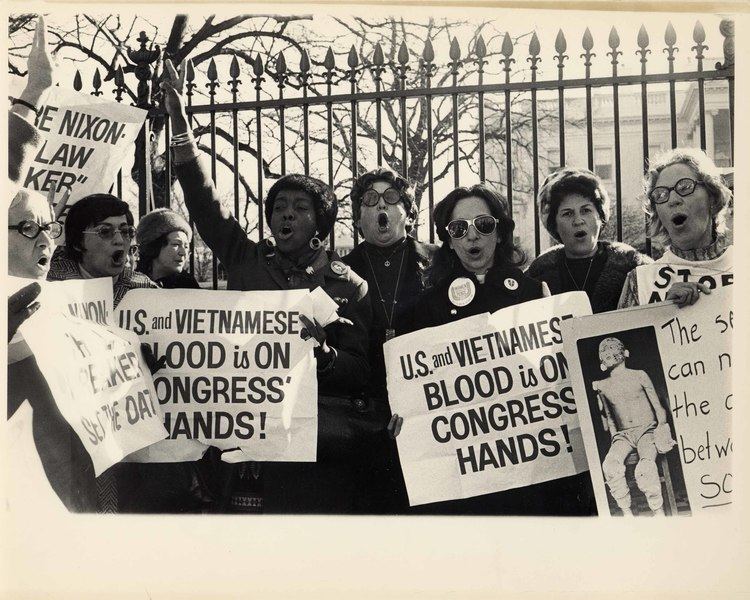
As wars continue to ravage nations and distort the fabric of society, a resolute clarion call for peace emerges from the disquieted voices of women around the globe. Women for peace advocate not only for the cessation of hostilities but foster a broader dialogue on the implications of militarism on feminism and women’s rights. This demand is underpinned by the recognition that peace is not merely the absence of war; it is an active force promoting justice, equity, and solidarity. This essay delves into the imperative for an immediate cessation of war efforts from a feminist perspective, unraveling the complex interconnections between militarism and the struggle for gender equality.
In the epoch of hyper-masculinized conflict, the need for a feminine lens on war is not just beneficial; it is essential. The traditional narratives of warfare often place valor and aggression at their core, overshadowing the voices of those most affected by conflict: women and children. Feminism demands that we scrutinize these narratives and redefine them through a prism of empathy, nurturance, and resilience.
It is incumbent upon feminist activists to recalibrate the conversation surrounding war, engaging society in a profound dialogue about peace as a right. The focus must pivot from glorifying militaristic endeavors to human-centric approaches that prioritize wellbeing, security, and communal harmony.
The repercussions of war are manifold, extending far beyond the battlefields. Women globally bear the brunt of conflict through displacement, violence, and oppression. Yet, their experiences often remain unacknowledged in official discourses. The politicization of women’s peace movements reveals a potent narrative: when the stakes rise, women’s rights are typically among the first casualties.
Myriad feminist organizations and movements have consistently spotlighted the pressing need for disarmament and the cessation of violent conflicts. The idea is not just to halt hostilities but to engage in holistic healing and restorative practices that honor women’s roles as peacemakers. These activists recognize that the ethos of war fosters an environment rife with misogyny and brutality, profoundly undermining the struggle for gender equality.
The challenge, however, lies in not just calling for peace but formulating actionable strategies grounded in feminist ideology. The historical involvement of women in peace processes—whether through formal negotiations or grassroots movements—illuminates a pivotal truth: women are irrefutably essential to establishing lasting peace. Their unique perspectives and experiences must inform conflict resolution, ensuring that solutions cater not merely to the victors but to the vulnerable.
A compelling distinction arises when considering women’s roles in society amidst wars. On one hand, we encounter the portrayal of women as passive victims of violence, their narratives reduced to mere statistics of suffering. This reductive framework not only belittles their agency but also erases their significant contributions to peacebuilding. On the other hand, feminist discourse amplifies these voices, positing women as formidable agents of change, advocating for diplomatic resolutions and humanitarian strategies instead of militaristic ones.
This duality necessitates an examination of the language surrounding conflict. Terms like “collateral damage” numb the conscience, effectively depersonalizing the grave realities of war. Feminist scholarship urges the rejection of this dehumanization, imploring society to recognize the individual tales that intertwine to form the tapestry of oppression. Each lost life is not merely a statistic but a narrative rich with dreams, aspirations, and legacy.
Furthermore, the economic implications of war cannot be overstated. Expenditure on military pursuits siphons resources away from essential services such as healthcare, education, and social infrastructure—all pivotal areas where women are disproportionately impacted. The feminist movement posits that reallocating these funds toward sustainable development initiatives would foster empowerment and enable women to thrive as integral members of their communities. This shift is not just about ending war but also about rewriting societal priorities to uplift all marginalized groups.
Women in the Global South, for example, frequently embody the dual struggle against patriarchal oppression and militaristic violence. Their voices are often muffled beneath the weight of imperial narratives that regard them through a colonial lens, perpetually in need of saving. Instead, these women exhibit formidable resilience, enacting their rights to oppose military aggression and demand comprehensive policies that reflect their realities. Through coalitional politics and transnational solidarity, they embody the future of feminist activism, advocating for peace as a fundamental human right.
Moreover, to imagine a world devoid of war is to envision a radically transformed society where women are no longer viewed through a lens of vulnerability but as essential contributors to decision-making processes. Feminism challenges the status quo, asserting that sustainable peace necessitates an inclusive approach—one that centers the marginalized and amplifies their demands.
In an era where social media can be a powerful platform for activism, women have harnessed these tools to initiate discourses on peace, creating networks of solidarity that transcend geographical boundaries. The collective advocacy drives home the idea that peace is not a singular event but a continuous dialogue enriched by diverse experiences. Through these platforms, women assert their rights to challenge militarism and demand substantial policy changes that prioritize human dignity.
Historically, feminists have faced systemic pushback, often labeled as anti-patriotic for challenging narratives perpetuated by aggressive state ideologies. This antagonism only underscores the importance of feminist discourse in peace movements. It is crucial to dismantle this rhetoric, reframing it around the understanding that demanding peace is a profoundly patriotic action—a safeguarding of the nation’s values and humanity.
Contemplating the intersectionality of feminism offers a critical lens through which to examine the dynamism of peace movements. Racial and socioeconomic factors intricately entwine with gender, complicating the landscape of activism. Feminists must be vigilant in ensuring that these nuances are embedded in their advocacy, affirming the diverse needs of women who experience conflict in multifaceted ways.
The demand for an immediate end to war efforts is imbued with urgency. With each passing day, the effects of armed conflict gnaw at the foundations of our societies—deepening inequalities, perpetuating cycles of violence, and eradicating the very essence of humanity. The fight for peace is inexorably linked to the fight for gender equality, challenging us to rethink what sustains the structures of power and oppression that prioritize militarization over compassion.
To shift the paradigm towards peace is to cultivate a society anchored in empathy, justice, and shared responsibility. Women, already attuned to the exigencies of nurturing life in the face of adversity, hold the key to this transformation. Their voices are integral to the dialogue, illuminating pathways previously obscured by the fog of war. The feminist assertion that peace is a prerequisite, not a postscript to equality, reverberates as a call to action—a summons for all to join hands and demand an end to the cacophony of conflict.
The commitment to peace must be unyielding, demanding not only the end of wars but the active dismantling of the systems that engender violence. Feminism offers a roadmap for this journey, advocating for a world where women’s voices are not just heard but celebrated, where peace is not an abstract concept but a lived reality for every individual, regardless of gender or circumstance. Even now, as we grapple with the confrontations of our times, the demand for peace comes wrapped in the resolute spirit of women, urging us all to stand resolute in this quest for justice, equity, and humanity.