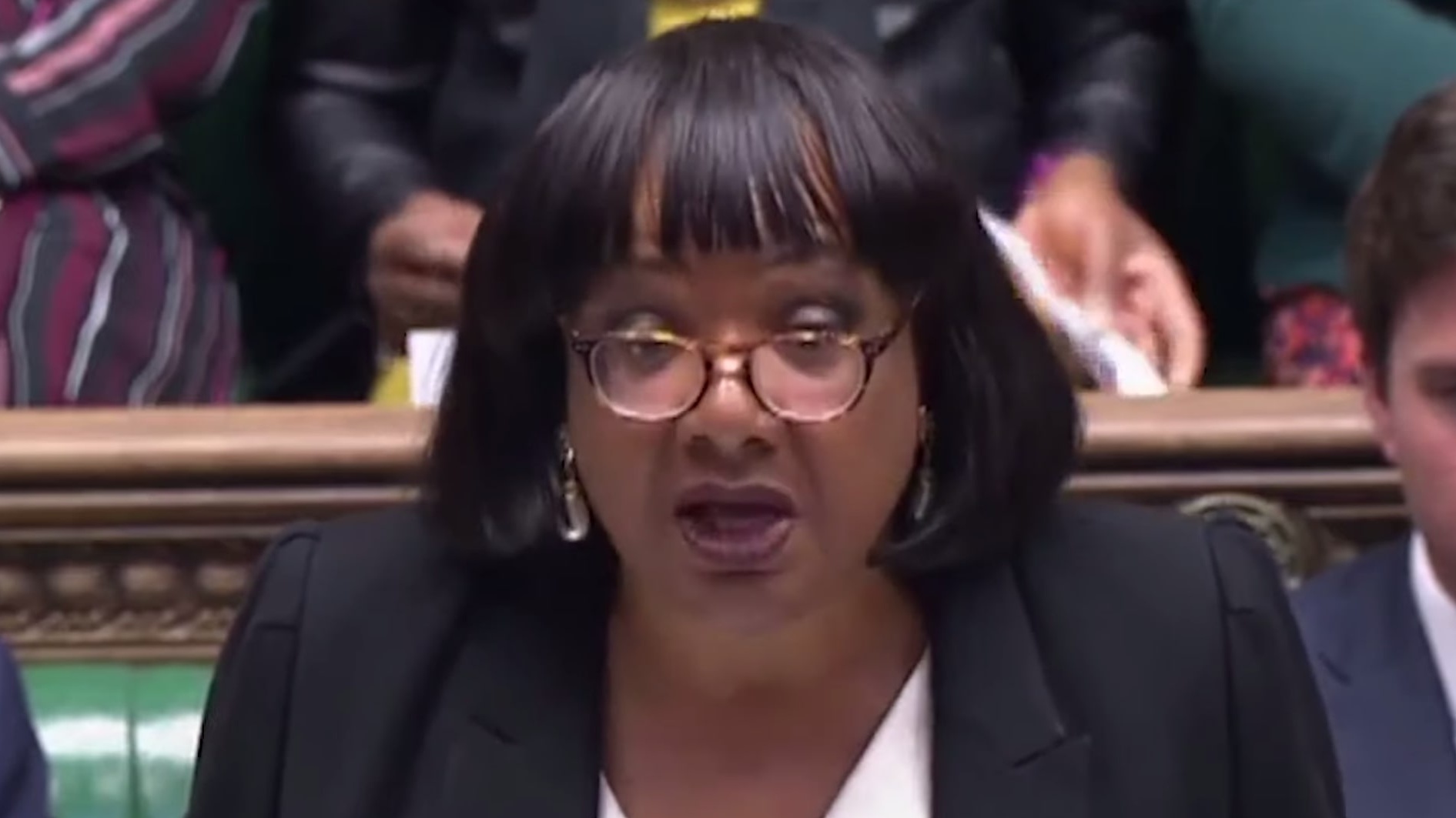
In a striking bid to redefine the British political landscape, new laws have emerged with a bold agenda: to fortify the representation of women and individuals of Black heritage in Parliament. This initiative is not merely about quotas or symbolic gestures; it aims to dismantle the structural barriers that have long perpetuated a cycle of marginalization. Empowerment is not a mere word; it’s a clarion call for action. Such legislative strides herald a much-needed shift, one that challenges the entrenched norms of governance while ushering in voices previously silenced. Are we finally witnessing the metamorphosis of Britain’s political sphere?
Feminism, in its essence, celebrates diversity and inclusivity, advocating for an array of perspectives and backgrounds to be paramount in decision-making processes. The recent developments in UK politics do more than merely engage with these ideological facets; they mark the start of a new era of representation. As women and people of color take center stage, we must examine the implications of this shift with a discerning eye. Why is this moment critical, and what does it signal for the future of feminism in the United Kingdom?
The genesis of this legislative maneuver brings us to an essential question: how have we arrived at this juncture? The underrepresentation of women and Black individuals in Parliament boils down to a myriad of factors: systemic biases, cultural stereotypes, and an electoral system that has historically favored a homogenous power structure. Women, particularly women of color, have faced insurmountable challenges in navigating a political environment suffused with patriarchal dynamics. Yet, in the prevailing winds of change, we find hope. With a renewed focus on equitable laws, the question now is whether the commitment to diversity will be matched by authentic engagement.
Previous legislative efforts aimed at bolstering representation have faltered; they were often more aspirational than operational. Thus, the success of the current laws lies not in mere proclamation but in the actionable change they spur. Recent developments signal an intentional pivot towards fostering a representative framework—and this is where the feminist perspective proves indispensable.
The Intersectionality Imperative
At the heart of feminism lies the principle of intersectionality, a framework that acknowledges the multifaceted layers of identity—race, gender, class, and beyond. It compels us to recognize that the struggles of individuals are not monolithic; they are informed by overlapping social identities. Black women, for instance, navigate unique challenges that emerge from the intersection of racism and sexism, which are often overlooked in traditional feminist discourse.
The new UK laws focusing on representation aim to amplify these nuanced narratives—to create not just space but a platform where diverse experiences inform policy and practice. When women and minorities are actively included in the legislative process, the potential for social innovation escalates. Such representation yields not just political advantages but enriches public policy with varied viewpoints, making governance more reflective of the populace.
However, the challenge remains: will these laws attract genuine participation, or will they fall victim to tokenism? Tokenism dilutes the core ethos of feminism—not only sidelining deserving candidates but also reinforcing the very inequities these laws strive to eradicate. As society grapples with such implications, it becomes imperative to remain vigilant, advocating for a culture where representation transcends mere counts on a spreadsheet.
The Catalyst for Change
One cannot ignore the immense energy propelling the campaign for diverse representation in Parliament. Grassroots movements, driven by passionate activists and community leaders, are pivotal to this transformation. The fierce dedication of these individuals challenges the status quo, instigating dialogues that resonate far beyond parliamentary walls.
Campaigns for equality, often born in the streets, invigorate the political arena with a mandate to amplify the voices of the marginalized. The intersection of activism and politics is fertile ground for nurturing a fresh narrative, one that empowers women and Black individuals to rise to positions of influence and authority. It is imperative, however, to sustain momentum; change does not occur overnight. The laws are but the mechanism—what remains to be seen is how society will embrace this paradigm shift.
An opportunity exists for feminist discourse to evolve alongside this transformation. Advocates must capitalize on the momentum to create a dialogic space that encourages proactive engagement, rather than passive compliance. The responsibility lies not only with the political entities but also with constituents to hold their elected officials accountable. A vibrant civil society is a potent antidote to complacency; without continuous advocacy, these laws may stagnate, eroding the potential for systemic change.
Navigating Resistance and Overcoming Backlash
The winds of change are often met with fierce resistance. Any monumental shift in representation inevitably catalyzes opposition from those who benefit from the status quo. Detractors of these new laws may argue that they dilute meritocracy, advancing individuals based on identity rather than capability. Such narratives proliferate misconceptions that conflate diversity efforts with diminished standards.
This discourse demands a critical examination. The infusion of diverse perspectives does not equate to a compromise on competence; rather, it enriches the intellectual capital within parliamentary discussions. When debates are informed by a kaleidoscope of experiences, policies can be designed not solely for the privileged few but for the broader populace.
To fortify this transformative wave, advocates must confront naysayers with irrefutable evidence: nations that prioritize diversity experience substantial socio-economic growth. Enhanced representation yields not just greater satisfaction among marginalized groups but fosters a sense of belonging that propels societies forward. It is, therefore, incumbent upon feminist leaders to engage in relentless advocacy, dispelling myths while galvanizing support for a more inclusive political environment.
From Ambition to Implementation
As we teeter on the brink of a transformative era, ambition must be accompanied by actionable strategies: how will these new laws function in practice? The efficacy of legislative change hinges on the mechanisms of implementation. Will there be funding allocated to support aspiring candidates? Are there mentorship programs in place to cultivate future leaders?
Moreover, institutions must grapple with their own internal biases, creating an environment that is conducive to change. This will require extensive training programs aimed at dismantling stereotypes and fostering an inclusive culture that values diversity. A commitment to genuine representation demands accountability; it requires an unwavering resolve to dismantle the barriers that inhibit participation while fostering an ecosystem where every voice is valued and nurtured.
As the curtain rises on this promising new chapter in the UK’s political narrative, one must remain vigilant. This journey towards representation woven with intention and purpose brings us closer to a society where gender and race inequality become relics of the past. The promise of the current laws must not be squandered. Feminists, allies, and advocates must duly heed the clarion call for action; the work is far from complete. If we wish to amplify the stories of women and Black individuals in Parliament, we must continue to cultivate a landscape where dialogue flourishes, intersectionality thrives, and empowered voices resonate. The political battleground is ever-evolving, and therein lies our greatest opportunity. Will we rise to meet it?