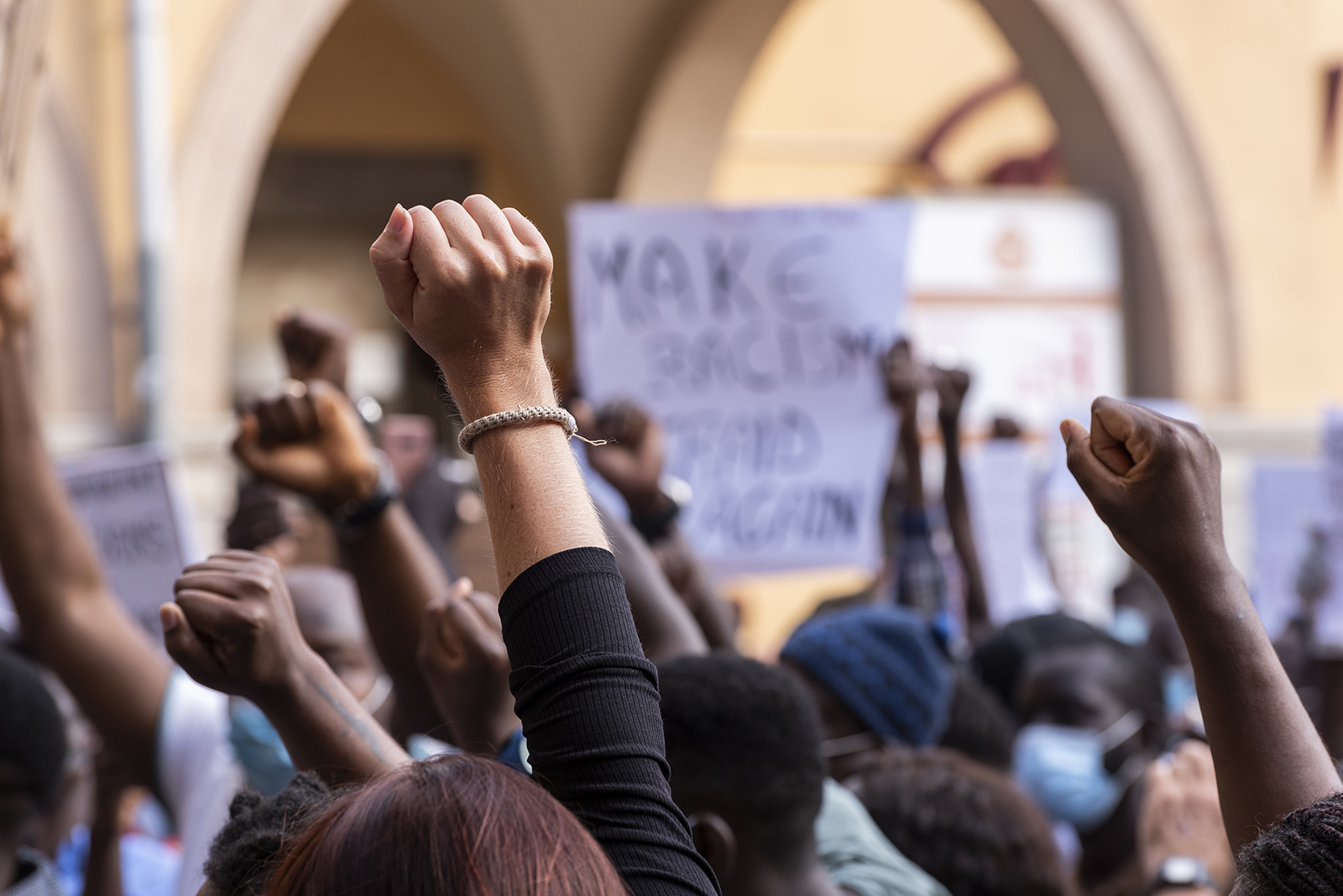
As the Colorado Senate recently passed a bill aimed at limiting residential picketing, one can’t help but ponder the implications of such legislation on the feminist discourse. This isn’t merely a bill; it’s a complex tapestry woven with the threads of individual rights, social justice, and, dare I say, the audacity to disturb the status quo. So, let’s unpack this provocative subject, shall we?
It’s crucial to understand the nuanced interplay between protest, the personal sphere, and the political arena. Protesting isn’t just noise; it’s a cry for justice, a demand for recognition, and sometimes, it’s the only weapon the marginalized possess against oppression. Yet, amidst the urgency for change, the question arises: how far is too far when it comes to protesting? This bill beckons us to investigate the delicate balance between the right to protest and the right to personal tranquility.
To comprehend the implications of this legislation, we must first delve into the nature of residential picketing itself—who does it serve, and possibly more importantly, who does it silence?
The Intersection of Activism and Private Life
At its core, residential picketing is a visceral expression of dissent. It has historically been a tool of activism, a methodology for dissenting voices to penetrate the often-privileged ambiance of complacency surrounding the powerful. One can argue that such actions embody the essence of feminist activism, challenging patriarchy and societal norms that seek to suppress female voices. But does this method serve to empower or exploit?
When picketing occurs outside someone’s home, the intention may be to ignite change, yet it also invades the sanctity of personal space. Feminists often champion boundaries—whether these are personal, physical, or ideological. So, isn’t it paradoxical that, while defending the right to protest, we may encroach on the very boundaries that protect individuals from harassment? It demands serious contemplation; after all, the feminist movement is also about the respect for personal agency and choosing how one navigates their private life.
Mutuality or Mute? The Agency in Protest
Let’s cast our gaze at the implications of this bill from another angle—the potential silencing of marginalized voices. Protest is the lifeblood of democracy, but with the shackles of restrictions, are we offering a blanket of silence to the cries of those already burdened by systemic inequities? Feminism isn’t just about women—it’s an inclusive dialogue on power, privilege, and identity.
Consider this: in communities where dissent is less only about the individual and much about the collective experience, restricting residential picketing could lead to the disenfranchisement of already marginalized individuals. This bill might be portrayed as a means to protect the peace, but at what cost? When minority communities take to the streets—whether in front of private residences or public forums—they are often reclaiming their narrative, pushing against a society that has tried to silence them.
In this context, a bill that curtails those avenues is not just limiting protests but could be perceived as a tacit endorsement of silence. It’s a fine line to walk, and one that feminists must navigate with both courage and precision. Are we ready to accept a form of gentrified activism that sanitizes protest by relegating it to a sanitized and harmless arena?
Emotional Labor and the Overlooked Reality
Another melancholic irony lies within the emotional labor women have undertaken throughout history. Feminists have long been at the forefront of activism but have simultaneously faced the brunt of backlash and scrutiny for their actions. This new legislation serves to remind us that activism doesn’t come without personal cost. The emotional toll of standing outside someone’s residence, knowing full well you might be branded as an aggressor, is significant. The stigma attached to women stepping outside of their traditionally gendered roles is palpable—so was this bill designed to protect neighborhood harmony or enforce traditional boundaries of acceptable behavior?
Financial implications further complicate this scenario. Women often bear the brunt of financial instability when choosing activism as a profession or volunteer role. Limiting protest options could lead to an even more pronounced form of economic oppression. Feminism must advocate for the rights of women who risk comfort for the sake of change; otherwise, we risk perpetuating a system that favors the still, the complacent, and the quiet. Can we afford to silence the few voices that dare to disturb the tranquility of privilege?
Rethinking the Mechanisms of Protest
Perhaps it’s time to rethink the mechanisms of protest altogether. Could we shift the landscape of how we engage with dissent in our very own communities? The challenge lies in shaping new forms of activism that align with the values of feminism while navigating the expanding bounds of legislation. Creative forms of dissent—think performance art, community dialogues, or digital activism—could emerge as organic alternatives to traditional picketing. Are we ready to evolve our approaches and embrace this evolution as a strength rather than a compromise?
The Future is Feminist and Confrontational
Moreover, the bill doesn’t exist in a vacuum. It resonates within a broader narrative about the fragility of rights fought for by generations of feminists. As we find ourselves standing at the crossroads of compliance and defiance, the choices made today shape the landscape for future generations of activists. Will we be passive participants in a constricting narrative, or will we step up to confront these limitations head-on?
As we wrap this exploration of the complexities surrounding residential picketing from a feminist perspective, we must challenge one another—are we comfortable with the echoes of silence that may reverberate through our communities as restrictive laws proliferate? Can we innovate forms of protest that stay true to the heart of feminism while adapting to the evolving societal landscape? The time is now to embrace the provocative spirit of dissent, ensuring we honor those who came before us while safeguarding the future of activism for generations to come.
In a world where silence seems ever more appealing to those in power, we must bring the noise back into our communities and affirm that calling for justice is not merely a right; it is a necessity of our shared humanity. So, will we remain mute? Or will we revitalize our passion for activism, perhaps even at the doorstep of the enemy?