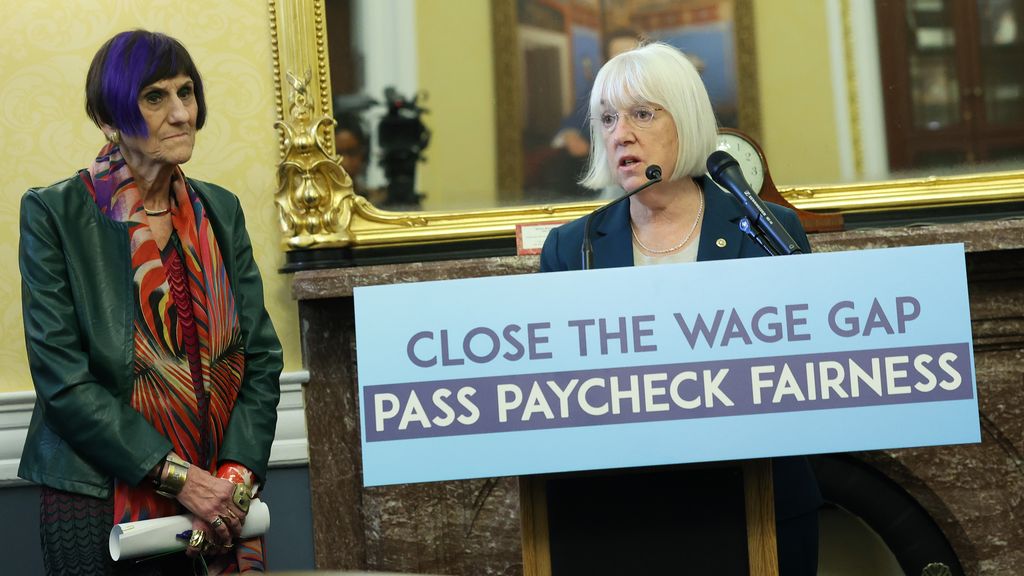
The Paycheck Fairness Act is once again thrust into the limelight as the Senate holds hearings aimed at addressing the insidious gender wage gap that has persisted for far too long. It’s a subject typically dismissed as an outdated relic of gallant intentions, yet the stark reality remains: women continue to earn significantly less than their male counterparts for comparable work. This hearing presents an opportunity, a clarion call for action, and more importantly, a moment to reflect on an issue that is foundational to equality in our progressive society. Hold onto your seat, because what is at stake here transcends mere numbers; it’s about the very essence of justice in our contemporary existence.
Gender wage equity is no mundane concern—it’s an affront to our collective conscience. The hearing will not merely dissect statistics or produce bureaucratic recommendations; it will scrutinize a systemic malaise entrenched deep within our societal apparatus. The Paycheck Fairness Act is a bold stride toward dismantling this inequitable structure. Let’s delve deeper into why this legislation is not just timely but utterly imperative.
Imagine a world where women are free from the chains of wage disparity. Picture your sister, your mother, or your daughter achieving financial independence and equality in the workplace without the shadows of discrimination looming overhead. The conversation about the Paycheck Fairness Act goes beyond the realm of abstract ideals; it necessitates a visceral engagement that stirs our passion and commitment to social reform.
The achievement of wage parity is not simply a question of fairness; it’s a matter of economic vitality. Are we willing to continue allowing a significant portion of our workforce to be undervalued? Studies continuously demonstrate that augmenting women’s pay is not just a moral imperative but also economically prudent. Shrinking the gender pay gap could effectively boost the economy by trillions. Think about it: when women earn more, they spend more, they invest more, and they contribute more to society. Is this not a compelling argument for galvanizing support for the Paycheck Fairness Act?
Now, let us peel back the layers surrounding the complexities of wage inequality. The gender wage gap is not a single-faceted issue; it is multifarious and laden with complications. It stems from a plethora of factors, including occupational segregation, the inadequacy of workplace policies, and cultural biases that devalue women’s contributions. Engaging deeply with these nuances is essential to formulating effective legislation.
How can we legitimize the disparities when research shows that women are often underrepresented in higher-paying leadership roles? Why, in a world that claims to adhere to principles of meritocracy, are women still relegated to the sidelines? These are provocations that should ignite indignation and inspire action.
The Paycheck Fairness Act brings with it a promise to fortify existing legal frameworks regarding equal pay. It establishes greater transparency in corporate practices, allowing employees to discuss compensation openly without fear of reprisal. Imagine the empowerment cascading through workplaces if individuals could confront inequities head-on. With the implementation of this law, the narrative rests with the collective—ensuring employers are held accountable, thereby cultivating environments where everyone can thrive equally. Imagine that potential if we acted with urgency and collective resolve.
Amidst these discussions, however, there lies a dichotomy—a stark juxtaposition between the proponents of the Act and those who view any alteration to the status quo as an act of aggression. To them, the mere concept of wage equality appears to be a radical imposition that threatens established hierarchies. But therein lies the core of the challenge: should we placate the unfounded fears of those unwilling to evolve, or should we boldly confront and disassemble the antiquated structures that perpetuate inequality? The answer is crystal clear—this is a confrontation we must welcome.
Let’s dissect the potential ramifications of the Paycheck Fairness Act should it gain traction. First, envisaging improved pay equity would lead to higher job satisfaction among women. When people feel valued, their productivity soars, solidifying a foundation for genuine collaboration and innovation. This outcome is mutually beneficial, underscoring that the success of one gender does not come at the expense of another. We are in a glorious epoch where collective success is within our grasp if we choose to cultivate collaboration over competition. It’s about time we embraced this ethos.
The legislative hearing now stands as a beacon for galvanizing our collective strength as advocates. Each testimony shared, each statistic emphasized, acts as a rallying cry for broader societal change. We must not merely observe from the sidelines; we need to inject our fervor into this dialogue. This is a moment to engage, to provoke thought, and to incite action!
Now, one might wonder: What does success look like? Should we be mired in the minutiae of measuring the wage gap, or should we be expanding our collective vision? Closing the wage gap needs to be multi-faceted, extending beyond gender to include women of color, LGBTQ+ individuals, and all marginalized groups. The inclusivity of this discourse must be paramount, as equity cannot exist in isolation—it demands solidarity among all who have faced the weight of injustice.
As the Senate deliberates over the Paycheck Fairness Act, we are reminded that this isn’t solely about policy; it is about crafting a cultural shift. A paradigm where equitable pay is not a privilege, but a non-negotiable standard that’s ingrained into the fabric of our society. To challenge the status quo is to embody a commitment to fight for collective justice while dismantling systemic barriers.
The onus is now on us—every single individual who believes in the power of equality—to harness our voices and advocate for the passage of this crucial legislation. It’s an invitation to each of us to transcend passive observation and leap into the arena of activism. Write letters, organize discussions, and amplify the message! The path toward wage equity lies within our collective reach. It is our duty to take a stand and demand what is rightfully ours: equal pay for equal work.
In essence, the hearing for the Paycheck Fairness Act is not merely a procedural gathering, but a profound declaration of intent—a promise to the generations that will follow that we will not relent until we achieve the equity that has been denied for far too long. Now, I challenge you: what role will you play in this crucial juncture of our collective history? The time for complacency has expired; let us rise to the occasion, for together we can forge a world where all are truly equal.