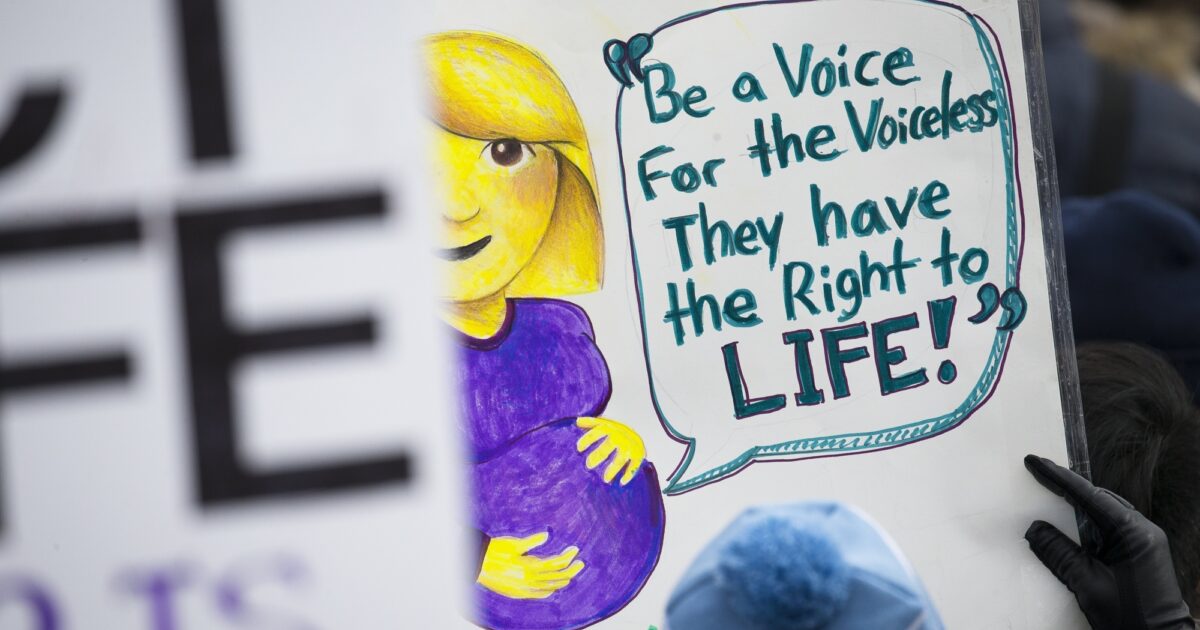
The recent decision by the Kansas House to override the governor’s veto regarding an abortion bill ignites a fervent discourse among feminists and advocates for women’s autonomy. This legislative action is not merely a local event; it reverberates with implications that stretch far beyond the borders of Kansas. It offers an opportunity for reflection, debate, and challenge—an invitation to grapple with the deeper nuances of bodily autonomy, informed consent, and the political landscape in which women’s rights battle to survive.
When we delve into the fray, it is crucial to ask the pertinent question: What does this bill really signify? Is it a mere piece of legislation crafted in sterile chambers, or is it emblematic of a larger war on women’s rights? Moreover, one cannot help but ponder the ramifications of such actions in a society that still reifies outdated notions of gender roles.
Herein lies the crux of the conversation: The veto override isn’t merely an attack on abortion rights; it is a manifestation of how systemic gender inequality continues to infect our governance. Every politician who voted in favor of this override is, in essence, declaring that a woman’s personal autonomy is secondary to their political agendas. Are we comfortable with politicians dictating the sanctity of women’s choices?
While some may naively champion the bill under the guise of protecting life, let us dissect this argument with the rigor it demands. The so-called “born-alive” bill purports to extend legal protections to infants born during attempted abortions. But should we not consider the implications of this? By legislating the definition of life without context, we tread dangerously close to undermining a woman’s right to make decisions about her own body. The paradox is palpable: a move designed to protect, yet it wields the potential to strip autonomy from the very individuals capable of creating life.
This leads us to examine the profound disconnection that exists between lawmakers and the experiences of the people they seek to govern. It is baffling that individuals who will never experience pregnancy or childbirth are determining the legalities surrounding these profoundly intimate processes. The male-dominated corridors of power often mirror archaic, paternalistic ideologies. We must ask: Who remains at the table when these monumental decisions are being made? And are women’s voices, experiences, and stories adequately represented?
Feminism, at its core, champions equality and autonomy. The Kansas override, however, threatens to render these principles obsolete. It invites reflection upon our definitions of femininity and motherhood, especially when they are commodified by political machinations. The paradox of choice in maternal health often obscures the lived realities of women within these discussions; one must recognize that these decisions are inherently personal and laden with complexities that can’t be pinned down into legislative language.
The emotional labor required in these instances is altogether ignored by those who cast votes with little regard for women’s experiences. What about the realities of those who are faced with unplanned pregnancies, those who clash with dire health complications, and others contending with deeply personal circumstances? Advocating for legislative solutions that disregard the lived experience of women is an injustice, peaking in a society that claims to value life.
Let’s pivot to another angle: the potential fallout for women’s health services. When state legislators take drastic actions such as these, they send a signal to hospitals and healthcare providers. Auxiliary forms of stigmatization emerge that can disrupt care. After all, when the law defines patient outcomes in overly simplistic terms, healthcare professionals may act cautiously or even avoid providing essential services altogether. This leads to a chilling effect on medical practitioners striving to promulgate comprehensive care.
To be clear, the ramifications of the Kansas vote extend well beyond the state line. It sets a precedent that may embolden other legislators across the nation to pursue similar measures, further entrenching a fragmented healthcare landscape for women. In this scenario, one cannot help but ask: What happens to the women who need help? Will they be left in the shadows, resigned to navigate through a labyrinth of restrictions designed by those who have never trodden a path similar to their own?
When we consider the intertwined nature of these debates, the urgency to engage critically with the political landscape becomes evident. It’s vital to champion intersectionality in feminism; we must include the voices of marginalized groups that the Kansas house seemingly neglected. Understanding how race, socioeconomic status, and geography affect access to reproductive care reshapes the conversation and demands an inclusive fight for rights.
Furthermore, let us inquire—it is one thing to legislate but quite another to enact change that is palpable in daily life. Definitions of personhood and potential life are fluid and contingent on context. The more rigid lawmakers become in their definitions, the more they attempt to regulate and constrain women’s autonomy. In turn, this tyranny transforms a social issue regarding health into a moral battleground driven by ideologies and dogmas. Does this benefit anyone, or does it simply create more divisions?
The real challenge persists: Can we reframe this conversation beyond binary battles? The Kansas override represents an overt struggle between pro-choice and pro-life discourses, but it’s imperative we broaden this dialogue into the realm of comprehensive women’s rights. The path to empowerment lies through dismantling systemic obstacles to healthcare, education, and economic independence.
Ultimately, the Kansas abortion bill override serves as both an alarm bell and a clarion call for all who align with feminist principles. We have an obligation to engage, to scrutinize, and to act upon these developments with fervor. To remain silent is to acquiesce to the status quo—the very phenomenon that has wrought chaos on women’s rights throughout history.
As the dust settles from these legislative skirmishes, it is essential to unify forces in solidarity, embracing activism that transcends state lines. The ills besetting women’s rights are not confined within geographic borders but are part of a global discourse on autonomy and equity. Thus, we must persist in our fight, embracing both introspection and action, challenging our surroundings and confronting the forces that seek to limit freedom.
As we look toward the future, let us not lose sight of our goals: to empower women, uphold their voices, and create a society in which their choices are respected. As citizens, as activists, as individuals, it is our responsibility to amplify this mission and ensure that the Kansas override remains a catalyst for change rather than a tombstone marking the retreat of rights. The call to action is clear—are you ready to respond?