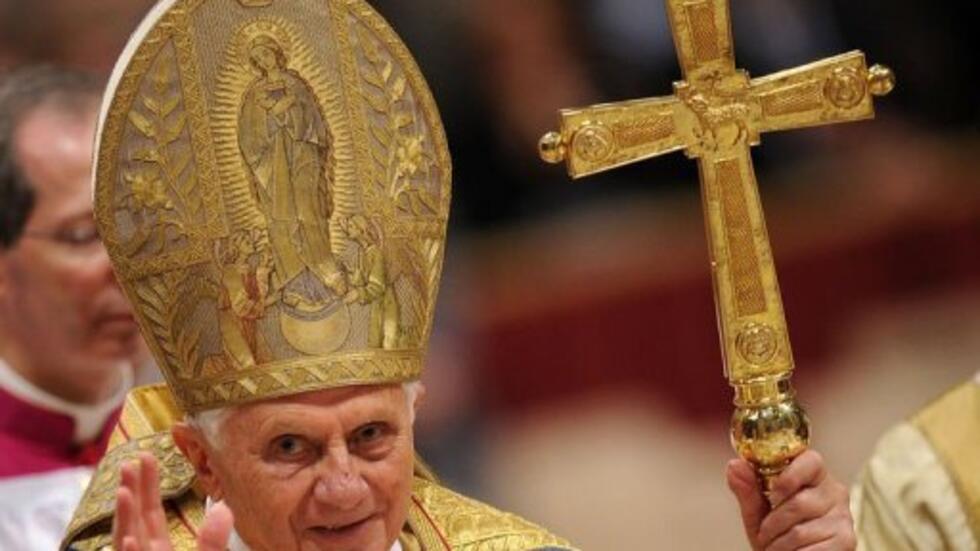
In a groundbreaking shift that sends ripples through the intersection of religion and reproductive rights, the Pope has conceded a remarkable point: condoms can be permissible in certain cases. This statement, which has pried open a door long bolted shut by dogmatism, begs to be examined not only for its theological implications but also through the incisive lens of feminism. The chiaroscuro of this declaration paints a vivid picture of struggle, power, and ultimately, liberation.
Let’s unfurl this multifaceted discussion. Is this a reluctant nod from a previously hard-line institution, or is it a sign that the Catholic Church might indeed be evolving—albeit at a glacial pace? Can this tiny crack in the ecclesiastical façade allow in more air for feminist discourse around sexual health and reproductive rights? Buckle up; this is going to be a wild ride into the shifting sands of dogma and liberation.
To truly understand what this change signifies, we must dive into the labyrinthine world of sexual health, religious conservatism, and feminism’s enduring struggle for autonomy over one’s body. It’s high time we dissect what “certain cases” really means and what kind of implications it carries for both the devout and the secular alike.
The Bedrock of Patriarchal Control
For centuries, the Catholic Church has enshrined female submission and chastity in its doctrine. The edicts surrounding sexuality and reproductive health have served as vehicles of patriarchal control, dictating not just behavior but moral worth. Until recently, their stance was unequivocal: condoms—symbols of sexual agency—were unacceptable. Such views not only affect believers but permeate societal expectations about women’s sexuality globally.
With this new perspective, the Pope seems to be acknowledging that the health of individuals—particularly women in vulnerable circumstances—should not be subjected to rigid doctrines. Now, the proverbial question beckons: what instances warrant this newfound leniency? Is it a mere appeasement to modern sensibilities, or does it recognize the agency of those affected? This dual-layered reality brings us to a critical juncture in feminist ideology, provocation nestled firmly between liberation and constraint.
Pillars of Feminism: Autonomy and Choice
Feminism has long championed the rights of women to control their own bodies, advocating for autonomy that stands in stark opposition to imposed morality. When the Pope discusses allowance for condom use, does this signal a validation of women’s autonomy? Or is it merely the Church’s strategy to mitigate the tidal wave of sexual health crises that plague many under its moral jurisdiction?
The Pope’s statement represents an understanding that reproductive rights are inextricably linked to broader feminist ideals. It serves as a public acknowledgment that women deserve to make choices concerning their sexual health without facing institutional condemnation. Moreover, it suggests that the Church may be faltering under the moral scrutiny of a world that increasingly prioritizes individual choice and informed consent over antiquated regulations.
However, can these nuanced permissions genuinely translate into meaningful change? Will such allowances empower individuals, or could they simply serve as a fig leaf for deeper, unresolved issues within the Church’s stance on women and sexuality? The challenge here is both to translate this ecclesiastical empathy into earthly legislation and to leverage this opportunity to challenge the very frameworks from which patriarchal power emanates.
Condoms, Consent, and Coercion
At the crux of the Pope’s statement rests the underlying principle of consent, a concept that feminist movements have fought fiercely to protect. But let’s not dance around the elephant in the room: female sexuality has long been mired in coercion, particularly in religious contexts. The provision for condom use in “certain cases” creates a precarious balance between consent and control. Are these cases predicated on the woman’s desires, or are they merely slivers of freedom authorized by an overarching patriarchal structure?
This raises imperative questions: is true autonomy achievable within an institution that still upholds doctrines of submission? Can papal permissions ever be fully emancipatory when they travel down the high road of conditional acceptance? This examination allows us to challenge not only the Pope’s narrative but also the institutional power structures that dictate what women can or cannot do with their bodies.
Time to Make Noise: Feminism’s Roar
In light of this newfound acceptance, a clarion call for action arises. Feminists must seize this opportunity to galvanize discussions about reproductive rights, shifting the narrative away from top-down control towards a bottom-up recognition of individual empowerment. Condoms, after all, become more than mere contraceptives; they evolve into symbols of sexual agency, bodily autonomy, and the right to self-definition against patriarchal norms.
This moment needs to spur feminist advocacy into action, advocating for reproductive rights that transcend mere approval from religious institutions. It is about demanding ownership over one’s body, free from the burdens of moralistic ideologies. What if women began to reclaim their narratives not as passive recipients of religious mercy but as powerful agents of their own fate? This prospect is more than enticing; it is essential.
Feminism within the Church: A Contradictory Conundrum
It’s crucial to explore the implications of this papal pronouncement on the feminist movements functioning within the Church itself. Are there brave souls within the Church ready to challenge its doctrines while simultaneously advocating for women’s rights? The juxtaposition of devotion and feminism within religious spheres can be conflicted but empowering.
The discord requires a nuanced understanding of faith as both a binding force and a potential shackle. Feminist theologians often navigate these waters with grace and audacity, bringing the discourse of gender equality into sacred spaces. They argue, after all, that real reform begins where voices are raised against injustice—voices that can redefine the notion of what it means to be a woman of faith, free from the constraints of historical narratives.
Conclusion: A Call to Arms
This pivotal moment in ecclesiastical commentary presents a challenge not just for followers of faith but for feminists seeking to reclaim the discourse surrounding sexual health and reproductive rights. The Pope’s nuanced acknowledgement of condom use begs rigorous interrogation, urging female voices to rise amidst the tumult of patriarchal narratives. It’s time to transform what once served as institutional constraints into rallying cries for emancipation.
As we grapple with the implications of this revelation, let’s embrace the tension. Let us provoke further dialogue, dismantle existing structures, and reclaim our narratives. Only then can we fashion a world where women are not just permitted to wield their agency, but celebrated for doing so anew. So the real challenge remains: how will we, as a collective, seize this moment for transformative change? The choice is ours—let’s make it count.