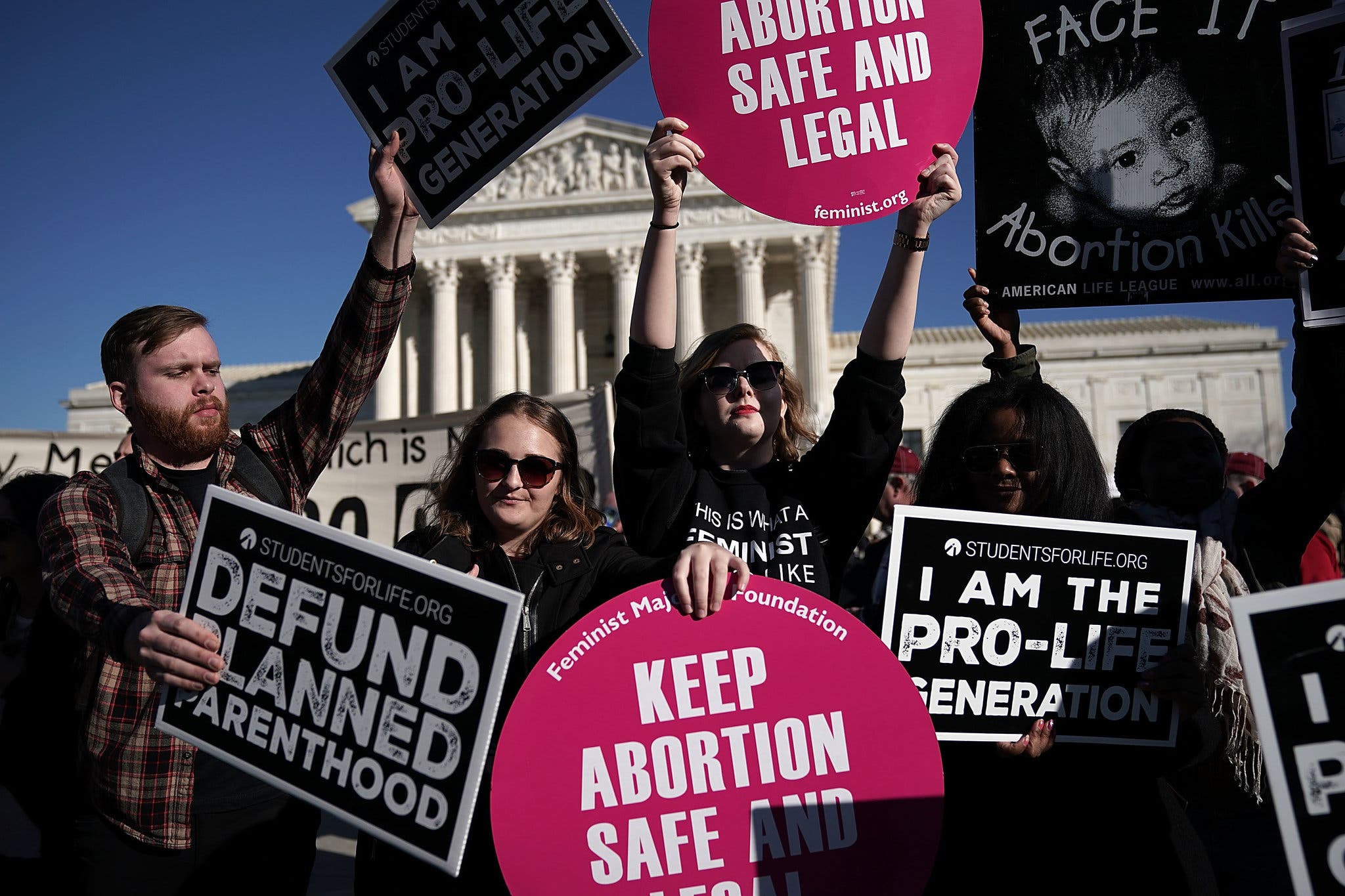
In a world where the autonomy of women is perpetually under siege, the recent announcement of an anti-abortion activist planning to publicly expose women’s private medical decisions raises unassailable questions about privacy, ethics, and the very fabric of feminism itself. This move is not merely an isolated act; it embodies a larger socio-political conflict where control over women’s bodies remains a battleground for ideologies. This article endeavors to dissect the multifaceted implications of such actions through a feminist prism, urging a deeper contemplation of agency, choice, and the societal repercussions of reducing personal medical decisions to fodder for public consumption.
To understand the fervor surrounding this issue, one must delve into the historical context of women’s rights. Feminism has long fought against patriarchal structures that have sought to police women’s bodies and reproductive choices. The right to choose is not merely a matter of medical decision-making; it symbolizes the fight for sovereignty over one’s own life. The audacity of an activist to expose these decisions on television poses direct challenges to these hard-won rights, raising alarm bells across the feminist spectrum.
The implications of such exposure go far beyond the individuals affected. They reverberate through society, accentuating stigmas surrounding women who choose various reproductive paths, including abortion. When private medical decisions are flaunted before a potentially hostile audience, it invites a culture of shaming and can lead to severe emotional and psychological fallout for women who find themselves in these very circumstances.
The incendiary nature of revealing private medical choices on national television cannot be overstated. It strips away a woman’s agency and transforms a deeply personal experience into a spectacle. For feminists, this is reminiscent of times when women were treated as commodities — their bodies subjected to intense scrutiny without their consent. Such acts can lead to a culture of fear, where women may hesitate to seek necessary medical care or counseling, fearing that their choices might be publicly dissected and judged.
This demand for transparency masquerading as an ethical crusade is deeply troubling. The insistence that women owe the public an explanation for their reproductive choices relies on archaic notions of morality that have historically been wielded to control female bodies. It is an affront to the fundamental tenets of feminism, which advocates for bodily autonomy and the right to make decisions without external pressure or judgment.
The psychological implications inherent in this trend are staggering. Vulnerable women may feel compelled to justify their choices to a society that has already demonized them. This perspective cannot be overlooked; it adds a layer of psychological trauma that can linger long after the decision has been made. When decisions about one’s own body become a public spectacle, it alters the narrative about women’s autonomy, shifting it from one of empowerment to one of shame, guilt, and fear.
Furthermore, this situation sheds light on the broader, systemic inequalities in healthcare that disproportionately affect women. Access to safe and legal abortion is a fundamental aspect of healthcare equity. Yet, it remains shrouded in stigma, often relegating women—particularly marginalized individuals—into a position where they must navigate a minefield of public opinion, legislative roadblocks, and emotional fallout.
In exposing women’s reproductive choices, the anti-abortion activist not only risks those women’s health and dignity but also perpetuates a narrative that aligns with existing power imbalances. This lends credence to the troubling idea that women must constantly justify their existence, their choices, and their autonomy in a society that often prizes control over compassion.
An oft-overlooked dimension of this discourse is the psychological burden that public exposure places on women contemplating abortion. The academic community has documented extensively the emotional toll of abortion, which can range from relief to profound sadness. While this decision is intensely personal and diverse in its impact, forcing women to navigate their choices publicly can exacerbate existing anxieties and lead to feelings of isolation. Women already face external pressures and judgments; this sensationalistic exposure only adds layers to this complex emotional landscape. A truly feminist approach advocates for a culture of support and understanding, not one that demands accountability in the form of public declarations.
Critically, this issue beckons an examination of language and narrative. The very term “abortion” has become a battleground, with anti-abortion activists framing their battle as a moral crusade, often devoid of nuanced understanding of the conditions that lead women to seek these services. By asserting that displaying women’s choices is an act of empowerment, they overlook the lived realities and struggles of countless women who grapple with their choices in silence. Feminism insists that women’s experiences are valid and should be respected without the imposition of external judgments or moral values.
Moreover, this public exposure can serve as a tool for perpetuating discriminatory views toward women, especially those from economically disadvantaged backgrounds or marginalized communities. The narrative that an anti-abortion activist seeks to showcase is often steeped in privilege, one that overlooks the very real barriers many women face. This is not to mention the specific intersections of race, class, and socio-economic status that complicate the discourse around reproductive choices. A feminist perspective engenders an understanding that choices arise not from a vacuum but from a complex interplay of societal expectations, personal circumstances, and available resources.
A thorough discourse on feminism and reproductive rights must also consider the role of allyship within this movement. Rather than amplifying voices that seek to diminish women’s choices, allies should advocate for a radical rethinking of the narrative surrounding abortion. The conversation should not center around exposing women’s choices but rather on supporting those choices, advocating for the right to make informed decisions free from societal pressure. In this regard, it becomes imperative to foster dialogues that elevate women’s voices and experiences rather than reduce them to mere narratives for sensationalism.
In conclusion, the audacity of an anti-abortion activist aiming to expose women’s private decisions brings to light the perpetual struggle for women’s autonomy and dignity. It underscores the urgency for a feminist response that champions privacy, supports women’s rights to make informed choices, and dismantles the stigmas that continue to plague reproductive healthcare. As we confront these emerging threats against women’s rights and agency, the feminist movement must remain vigilant, resonantly advocating for a society where women feel empowered to make decisions about their bodies without fear of exposure, judgment, or retribution. It is imperative that we prioritize compassion and understanding over sensationalism and condemnation in the ongoing battle for reproductive justice.