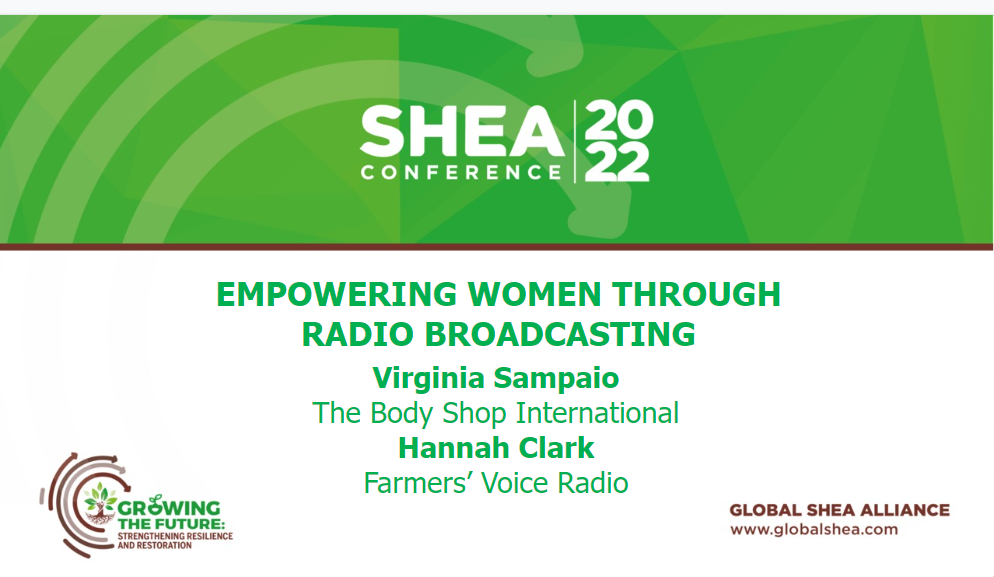
The Broadcasting Landscape: A Feminist Examination of Gender Dynamics
The broadcasting industry, often celebrated as a beacon for free expression and diversity, hides a troubling reality beneath its surface. Historically, women have been marginalized, relegated to the peripheries of this vital medium. At the Global Symposium on Women in Broadcasting, the conversations turned fervent and provocative, as participants unpacked the multifaceted roles women occupy within this transformative sector. It is imperative to delve deeper into how gender dynamics shape the narratives we consume, interrogating the underlying ideologies that perpetuate or dismantle these constructs.
Women in Broadcasting: Trailblazers and Groundbreakers
Women have always been at the forefront of change in the broadcasting realm, yet their contributions often languish in obscurity. The symposium illuminated several key figures who broke through the glass ceiling, demonstrating that women are not just passive recipients of the broadcasting narrative, but active architects of it. Think of the pioneering women like Orson Welles’ compatriot, the radio scriptwriter; they orchestrated dramatic pieces that not only entertained but also provided profound social commentary.
But the trailblazing of women does not merely explore historical precedents; it challenges the status quo of today’s broadcasting landscape. Content creators and presenters have refused to conform to traditional roles, pushing for narratives that prioritize female perspectives. The mere presence of women in high-ranking positions promises to transform the medium itself; however, this presence requires a conscious effort to dismantle patriarchal structures that still prevail. The symposium underscored the urgency of amplifying women’s voices, for their narratives carry the power to reshape our cultural consciousness.
Yet amidst these advancements, a significant question lingers: Are women’s contributions truly being acknowledged, or do we merely pay lip service to their involvement?
The Dichotomy of Visibility and Influence
At the Global Symposium, discussions around visibility posed a poignant paradox. While women may appear prominently on screen or within the halls of power, their influence on the editorial decisions shaping broadcasting content remains tenuous. Can we truly consider a narrative feminist if its creators are women yet fail to address issues impacting women’s rights and activism? This dilemma reveals the inherent contradictions in celebrating visibility while ignoring systemic constraints. The robust language used by speakers emphasized that visibility alone is insufficient to dismantle deep-rooted inequities.
The pernicious reality is that women often find themselves in precarious positions, struggling to maintain their creative integrity while navigating spaces that have historically been hostile. The “performance of femininity” becomes a trope within broadcasting, where women must adhere to certain aesthetic norms that can often undermine their authority. The symposium urged the industry to critically reflect on this phenomenon, advocating for a recalibration that embraces a broader, more inclusive narrative.
To resonate with an audience, broadcasting must evolve from a simple reflection of society to a catalyst for change. By elevating women’s voices, the industry can challenge entrenched stereotypes and facilitate dialogues that foster understanding and empathy. But merely placing women in front of cameras is insufficient; the challenge lies in ensuring they wield substantial influence behind the scenes as well. It’s a call to action, to dismantle barriers that have kept women confined to roles that often prioritize personal narrative over systemic critique.
The Intersectionality of Broadcasting and Feminism
One of the most enlightening perspectives shared at the symposium was the necessity of intersectionality in feminist discourse within broadcasting. Not all women face the same barriers; factors such as race, socioeconomic status, and sexuality play crucial roles in determining one’s access to the broadcasting sphere. The discussion prompted a realization that feminism must be pluralistic in its approach. It cannot afford to be monolithic if it hopes to represent the experiences of women across the globe.
Consider the impact of Black women in broadcasting—often overlooked, their stories can shed light on the unique intersections between race and gender. By amplifying these narratives, the industry not only enriches its content but also reconceptualizes feminism, integrating a diversity of voices and perspectives. The symposium encouraged attendees to actively seek out and promote stories that celebrate this rich tapestry of experiences.
Moreover, the global nature of broadcasting necessitates an understanding of cultural contexts. The struggles faced by a female broadcaster in the Global South may vastly differ from those in the Global North. This contextual awareness is vital for disrupting the narrative that one-size-fits-all solutions can address these discrepancies. It is imperative for industry stakeholders to forge transnational alliances that champion the widespread diffusion of diverse feminist narratives, enabling them to transcend geographical boundaries.
Building a Future: Strategies for Empowerment
The conversation surrounding women’s roles in broadcasting instigated a fervent call for actionable strategies aimed at dismantling the pervasive inequities. Advocacy for policy reforms that prioritize gender parity in hiring practices emerged as a salient theme, demanding accountability from broadcasters. Not merely a noble aspiration, this represents a critical pivot towards ensuring that women occupy decision-making roles that not only amplify their presence but also empower them to construct narratives that resonate with broader audiences.
Education emerged as another cornerstone of empowerment. Cultivating an environment that promotes media literacy from a young age can bear significant fruit in diversifying the industry. By instilling a critical consciousness about the narratives circulating within media, future generations can challenge traditional paradigms, pushing for more inclusive representations. The symposium proposed partnerships with educational institutions to create programs that inspire young women to pursue careers in broadcasting—ultimately fostering a new cadre of fearless media creators.
Furthermore, fostering mentorship opportunities within the industry can create pathways for women aspiring to ascend the ranks. Mentorship fosters an ecosystem of support that is critical for navigating networking challenges endemic to broadcasting. The exchange of ideas, experiences, and resources enhances the capability of women to pursue innovative projects that reflect the values of feminism and empowerment.
Embracing a Call to Action
As the symposium drew to a close, the air buzzed with urgency and commitment to change. The dialogue illuminated the inherent potential within women in broadcasting to elevate and transform societal discourses. However, for this potential to be fully realized, the industry must reconcile its historical complicity with patriarchy and champion a radical reimagining of its practices. Embracing diversity, advocating for intersectionality, and breaking down systemic barriers should no longer be seen as optional but as an ethical imperative.
The future of broadcasting can be a vibrant tapestry woven from myriad voices, each contributing to an enriched societal narrative. Women must not only be seen but acknowledged as architects of this future. They must be positioned as visionaries, reshaping the broadcasting narrative to reflect the complexities of the human experience. The symposium’s clarion call is crystal clear: a reevaluation of the broadcasting industry through a feminist lens is not merely a discussion; it is a dire necessity for societal progression. The challenge remains: will the industry answer this call, or will it continue to straddle the line between complacency and progressive change? The choice lies in the balance.