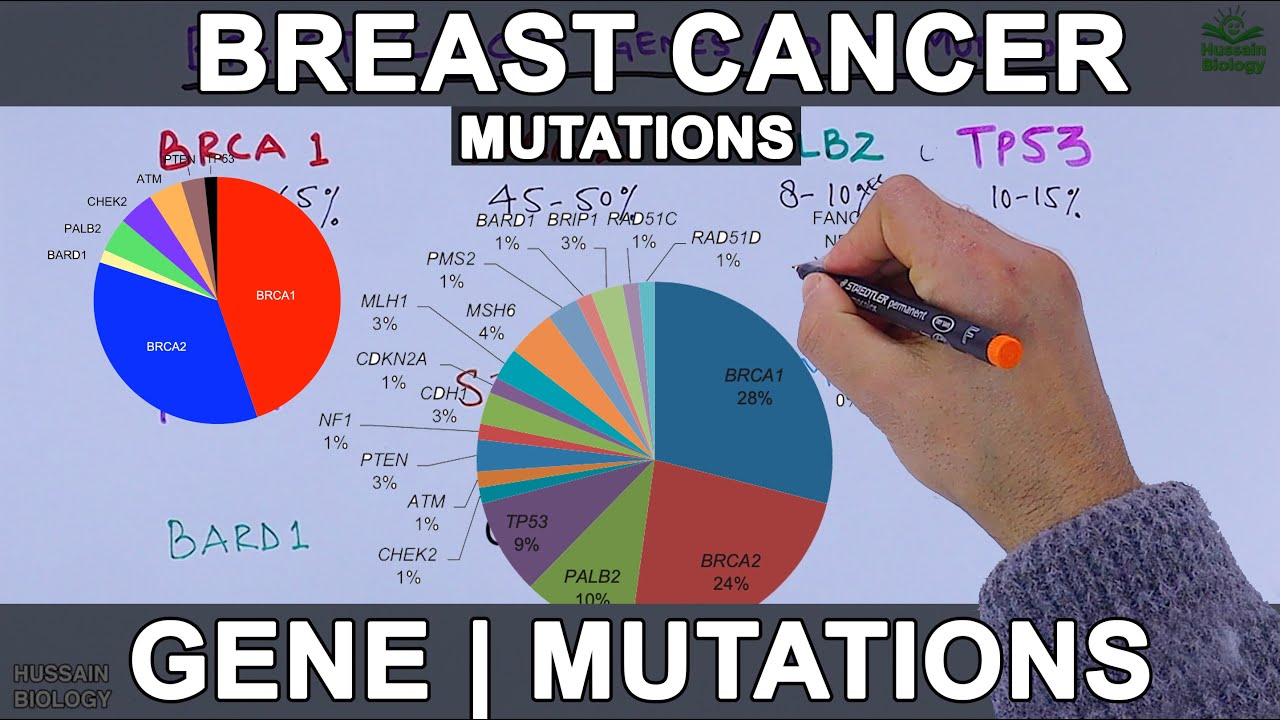
Breast Cancer Gene Mutation: A Double-Edged Sword in the Fight Against Female Empowerment
In a world where women are relentlessly navigating the intricate labyrinth of health, social expectations, and self-identity, the mutations of the breast cancer genes—namely BRCA1 and BRCA2—stand as powerful symbols of both resilience and vulnerability. These mutations are not merely genetic anomalies; they are profound indicators of how societal structures and medical paradigms intersect with women’s health. Such insights into gene mutation are critical not only for women’s health but also for the overarching feminist discourse on autonomy, agency, and societal stigmatization.
To engage meaningfully with the implications of breast cancer gene mutations, we must delve deeper into the nuances of how these biological realities impact the wider feminist narrative. The conversation about BRCA mutations must transcend mere statistics and clinical outcomes, weaving through the fabric of feminist activism, bodily autonomy, and the unyielding stigma surrounding women’s health issues.
Power Dynamics: The Influence of Genetics on Women’s Lives
When we examine breast cancer gene mutations, we must consider the overarching influence of genetics on women’s lives—a reality that is often laden with societal pressures. The existence of BRCA mutations redefines not only the conversation around health but also the narrative of femininity and perceived vulnerability. Historically, women have navigated their identities through a patriarchal lens that often dictates how they should respond to health crises. The notion of being a “carrier” of genetic mutations can be weighted with undue shame and stigma. Despite strides made in the women’s rights movement, many women still find themselves in a bind, torn between fighting their biological fate and the societal narratives that often paint them as victims.
This dynamic is further complicated by the health industry’s approach to treatment. A diagnosis can feel like a declaration of war—a call to arms in the battle against one’s own body. Yet, it is important to examine how the medical community often reflects societal bias, leaning towards preventive surgeries—such as mastectomies and oophorectomies—that may not align with every woman’s choice or desires. The decision-making process becomes a negotiation of agency. Is a woman empowered by the option to choose radical surgery, or is she merely succumbing to the fears cultivated by societal pressure and survival anxiety? Feminism requires us to interrogate these complex layers and reclaim narratives around health and choice.
Autonomy Amidst Anxiety: The Dichotomy of Choice and Control
For many women, the revelation of possessing a BRCA mutation elicits a tumultuous mix of fear and empowerment. On one hand, knowledge can be transformative; the proactive measures enabled by understanding one’s genetic makeup can empower women to take charge of their health in an informed manner. On the other hand, this newfound agency may come with inherent anxiety, questioning the very essence of femininity, purpose, and identity that society has traditionally assigned to women.
The saga of the BRCA mutation unveils a multilayered dialogue surrounding control. Women often find themselves grappling with external expectations each time they combat the pervasive stereotype of femininity that emphasizes fragility. Contrastingly, possessing a BRCA mutation serves as a stark reminder that they are also warriors in a biopolitical battle not just against a disease but against a societal system that tends to view their bodies as sites of mere medical intervention.
Furthermore, genetic testing presents itself as a double-edged sword. While it provides critical information necessary for potentially life-saving interventions, it can also serve as a mechanism of social control—wherein women feel compelled to make choices dictated by fear of judgment from their friends, families, and even society at large. The discourse must shift from a conversation rooted solely in medical facts to a more nuanced analysis encompassing personal narratives of courage, loss, and empowerment. Stigmatization must be challenged, as women navigating these choices deserve solidarity rather than judgment.
Beyond Biology: The Societal Framework Surrounding Women’s Health
When scrutinizing the impact of breast cancer gene mutations on women’s lives, one cannot solely focus on genetic predisposition and clinical outcomes. There exists a wide array of societal factors influencing women’s interaction with healthcare, family dynamics, and interpersonal relationships. The feminist lens necessitates an examination of how socioeconomic status, race, and cultural backgrounds intersect with the experience of living with BRCA mutation—where disparities can dramatically alter access to healthcare and support networks.
Consider the immeasurable weight of intersectionality. Women of color, low-income women, and those without adequate health insurance often find themselves disproportionately burdened, facing systemic barriers that exacerbate their health crises. A wealthy woman might access advanced genetic testing and preventive care, while her low-income counterpart grapples with inadequate resources or misinformation. This reality calls for a unified feminist response that not only advocates for individual rights but also recognizes the collective struggle against systemic inequalities within the healthcare framework.
Moreover, cultural stigmas can often dictate the discourse surrounding women’s health issues. Discussions about breast cancer—often framed within the narrow scope of survival and loss—deny the complexities of women’s lived experiences. The dominant narratives often exclude marginalized voices that deserve consideration. Feminism must amplify these experiences, challenging societal norms while fostering an inclusive dialogue surrounding breast cancer that honors each woman’s story.
Reclaiming the Narrative: Towards a Feminist Framework for Health and Empowerment
In the wake of discovering a BRCA mutation, women are not merely subjects of medical scrutiny but the heroines of their stories, deserving of agency, empowerment, and respect. As a feminist paradigm emerges, it is imperative to create inclusive spaces for dialogue—spaces where women can share their fears, hopes, and reality without the chains of stigmatization or judgment. The intersection of genetic health and feminism requires a comprehensive framework that advocates for women’s medical choices, empowers their bodies, and challenges societal prejudices.
By fostering open conversations around genetic testing, decision-making, and health care options, we begin to dismantle the shame and fear that often lurk in the shadows of women’s health discussions. Hailed as agents of change, these conversations can unveil systemic injustices and catalyze movements that empower women to claim their narratives—not just as survivors but as advocates for change in a broader societal context.
In conclusion, exploring the implications of breast cancer gene mutations from a feminist perspective necessitates an intersectional analysis that confronts systemic barriers while amplifying women’s voices. As women continue to navigate this complex web of biology and societal expectation, the feminist movement must champion a framework that promotes autonomy, choice, and resilience. It is time for women to step out of the margins and reclaim their narratives—fiercely, unapologetically, and in solidarity with one another.