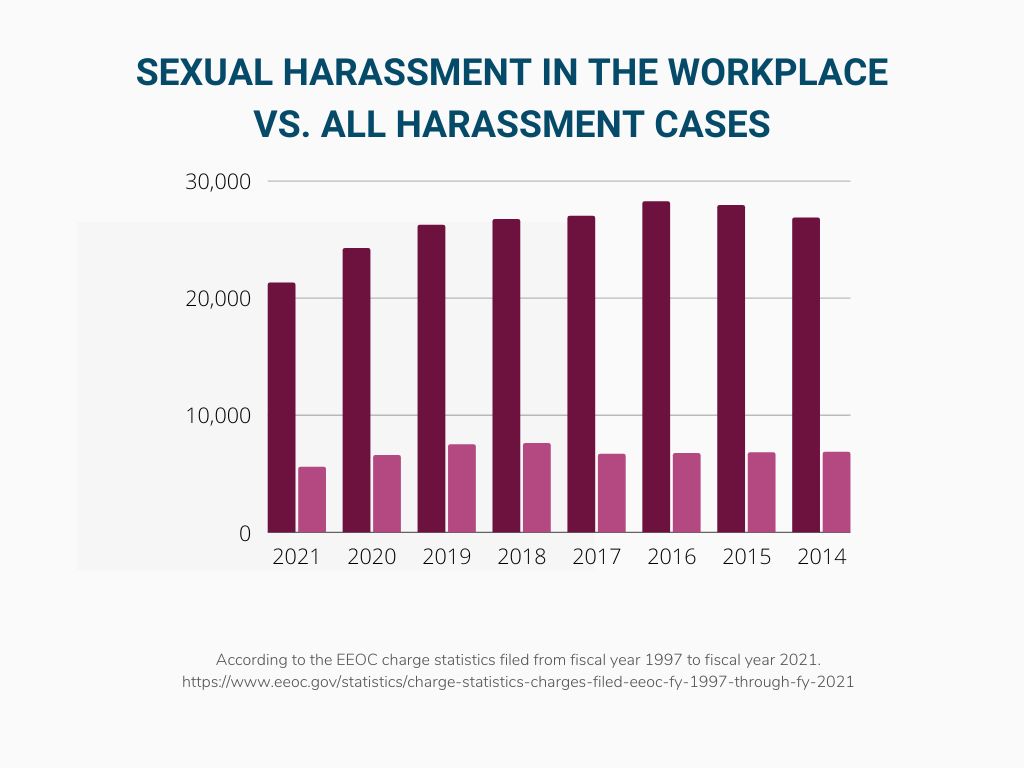
In the complex tapestry of workplace dynamics, federal sexual harassment cases emerge as a troubling standard—a tangled web where victims often find themselves suspended in an interminable limbo of legal proceedings. In recent years, the escalating prevalence of sexual harassment allegations has peeled back layers of entrenched misogyny and invoked the ire of feminist activists. But instead of delivering swift justice, the legal system remains mired in procedural stagnation, leading to years of prolonged anxiety for victims, especially women. This examination navigates the intricacies of how these protracted legal battles not only reflect societal indifference but also perpetuate the very injustices feminism seeks to dismantle.
What happens when an individual bravely steps forward to report sexual harassment? One would hope a straightforward process of justice would follow. Sadly, approximately 75% of sexual harassment cases languish in limbo, creating an atmosphere where the aggressors often walk away unscathed. This reality starkly contrasts the feminist ambition for equality, accountability, and, above all, a workplace devoid of intimidation and coercion.
It’s time to unveil the uncomfortable truth: the structure of federal sexual harassment cases is egregiously flawed. How can we expect to empower victims when the wheels of justice turn so slowly that they often fracture under the weight of inaction?
Understanding the labyrinthine process of federal sexual harassment claims offers insight into the systemic issues at play. From filing a complaint with the Equal Employment Opportunity Commission (EEOC) to navigating a federal court, each stage presents barriers that thwart timely resolution. These systemic failures inflict a double blow. Not only does the survivor endure the original trauma of harassment, but they also face the insidious trauma of a drawn-out legal battle that can stretch years—leaving the victim feeling re-victimized.
The fundamental question arises: Why is this methodical dismantling of justice tolerated? Women emerge as the primary victims in cases of sexual harassment, and as they courageously navigate these murky waters, a poignant realization strikes—society’s indifference is woven into the judicial fabric. The feminist movement has long highlighted the dire need for systemic change, but when those changes remain inconclusive within the courts, the fight feels Sisyphean.
The ramifications extend well beyond the individual case. Prolonged cases create a chilling effect, which dissuades other victims from coming forward, reinforcing a cycle of silence that feminism tirelessly combats. Feminists advocate for an environment where victims feel seen, validated, and empowered to speak out against their harassers. But what ethos can we cultivate when the system insinuates the opposite: that speaking up is synonymous with enduring prolonged legal hell?
The legislative apparatus appears to be crumbling under the weight of its own ineptitude. The EEOC is widely cited as being overwhelmed, yet where is the outrage? The lack of funding and resources serves to bolster the status quo—a fate that befalls many marginalized communities. Why should the burden of proof fall on the victim, especially when statistical analyses reveal that these allegations are often credible? The imbalance in the legal process screams of a system that is not merely slow; it is rigged.
Among the intricate layers of systemic flaws lies a public that often harbors misconceptions. The label of ‘victim’ is often met with skepticism—why did they wait so long to report? This misconception underpins the hesitance to push for reform. To cultivate a truly supportive environment, society must shift its perspective from one that critiques survivors to one that champions their resilience. The onus should not be placed on the survivors to navigate this convoluted labyrinth of justice; instead, the legal structure must transform to meet their needs.
In exploring potential reforms, one must confront the bureaucratic behemoth that is the EEOC. An infusion of resources, training for officials, and a robust support system for victims could expedite the resolution time, ensuring that survivors do not languish in a state of uncertainty. The very existence of an organization that can champion both victim rights and organizational accountability is crucial. The longer these cases drag on, the deeper the societal stigmas take root, and the broader the chasm between the promises of feminism and the grim reality of victims.
Moreover, the intersection of the #MeToo movement deserves a critical gaze in this context. It has energized discussions around workplace harassment, yet even so, victims too often find themselves falling through the cracks of a slow-moving legal system. In certain cases, widespread societal outrage has led to immediate repercussions for high-profile perpetrators, but for everyday individuals, the slow grind of the judicial system offers scant hope. Herein lies a dangerous juxtaposition—media-driven accountability thrives while the systemic issues stagnate in obscurity.
Discussions about federal sexual harassment cases cannot skirt the stark reality that feminism’s initial gains could potentially unravel if the legal system remains obstinately unchanged. These legal battles must transform from prolonged duels into swift, self-reflective resolutions that honor victims’ experiences instead of weaponizing their narratives. Feminists cannot relent. Just as society must come to terms with the fact that sexual harassment is not merely a woman’s issue, but a cultural one, the judicial system must radically recalibrate its approach to align with this realization.
The fight for equitable representation and swift justice isn’t a mere ideal but a categorical imperative. Shifting societal views on sexual harassment establishes fertile ground for robust legislative change that renders the antiquated systems impotent. While feminist discourse rages about the perils of a slow-moving judicial system, it must channel that collective anger into actionable reform that upholds the values of empowerment, respect, and dignity.
Federal sexual harassment cases should not be an insurmountable beast. The journey toward justice must be transparent, compassionate, and above all, timely. Resolving these issues demands that the feminist movement galvanize voices to advocate for swift justice, illuminating the pressing need for reform and reconciliation in a domain that often overlooks its most vulnerable constituents. The path forward is fraught with challenges, but as the relentless drumbeat of feminist activism echoes louder in the corridors of power, a reformative turn in the narrative is not merely a far-fetched hope—it is a necessary reality waiting to be birthed.