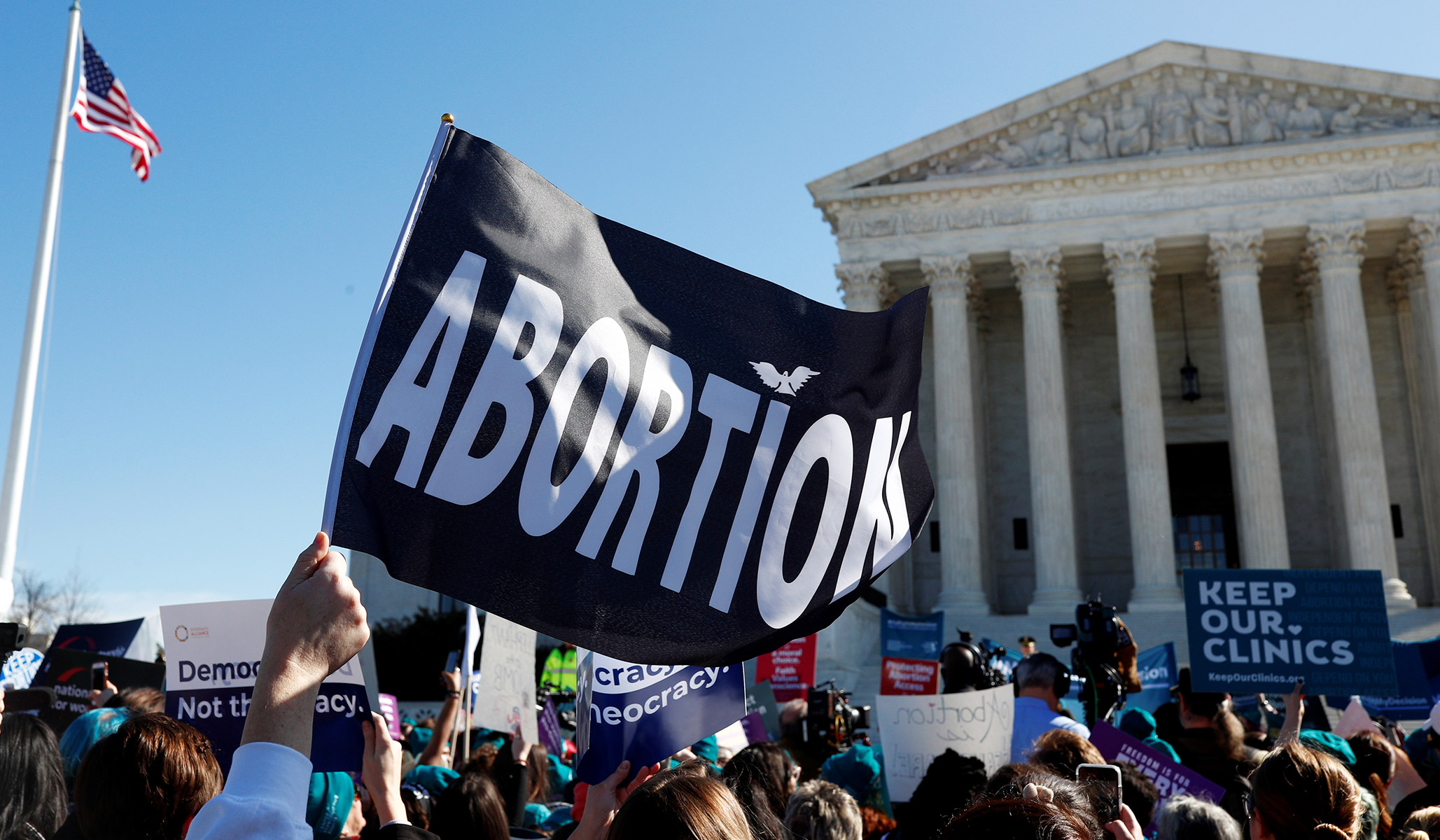
In the hallowed chambers of Congress, a tempest brews, one that threatens to upend the hard-won rights of women across the nation. As legislators prepare to deliberatively consider contentious anti-abortion legislation, one cannot help but reflect on the larger implications not just for reproductive rights, but for the very fabric of feminism itself. The issue at hand transcends the binary of pro-choice versus pro-life discourse, necessitating a more nuanced exploration that challenges the prevailing narratives often espoused in the public arena. Indeed, as arguments escalate, it is critical to interrogate the ramifications of such legislation through the prism of feminist thought.
At its core, opposition to anti-abortion laws is predicated on a fundamental principle: bodily autonomy. A woman’s right to govern her own body is not merely a question of legality but a tenet of moral and ethical priority. When Congress considers laws that infringe upon this autonomy, it exemplifies an alarming retraction into patriarchal control, an attempt to devalue women’s agency in societal decision-making. Such moves invite us to interrogate the implications of restricting womanhood within defined margins dictated by ruling bodies, effectively pitting state interests against personal freedoms.
Nevertheless, the feminist perspective on these legislative maneuvers cannot exist in a vacuum. Each bill proposed under the guise of protecting potential life must be scrutinized for the implications it holds for women’s health, economic status, and social standing. Not merely anecdotal accounts, but systemic repercussions manifest when politicians trivialize the complexities surrounding pregnancy, abortion, and women’s health care. Consider this: an often-ignored component of abortion debates is the socio-economic disparity that forms a chasm between women with the means to access safe medical procedures and those without the financial resources or geographical proximity to benefit from such services. The criminalization of abortion disproportionately affects marginalized groups, perpetuating cycles of poverty and disenfranchisement. In this context, the legislative implications connote not merely legal restrictions, but societal capitulations to ignorance and dogma.
The nomenclature of “protecting life” in these discussions almost invariably glosses over the lived realities of women who face harrowing decisions, decisions precipitated by personal circumstance rather than political ideology. Womanhood is seldom monolithic and the singular narrative of motherhood often enforced excludes myriad experiences—victims of trauma, those grappling with procedural ineptitudes in healthcare systems, and women bearing the brunt of economic oppression. The intersectional approach necessitated by feminism demands enlightenment on these variations of experience. To perpetuate an “either/or” debate obfuscates the nuanced realities of women’s lives and the collective impact of legislative stripping of rights.
The new wave of anti-abortion legislation embodies a distinct ideological framework, one that seeks to augment control under the euphemism of protection. Its insidiousness lies in its portrayal of women as passive vessels rather than active agents empowered to make choices regarding their reproductive health. The rhetoric of protection implies a paternalistic oversight, reducing women to mere subjects of state intervention rather than acknowledging their capacity for informed decision-making. Feminism, at its heart, resists such reductionism, advocating for a celebrated autonomy that is both enacted and recognized within societal norms.
Moreover, the vital interplay between reproductive rights and class cannot be overlooked. Legislative acts that impede access to abortion services compound existing inequalities and perpetuate cycles where affluent women remain insulated from the legislative ramifications while disadvantaged women suffer the most. This inequality provokes harsh realities: forcing women into unsafe procedures, unwanted births, or coerced maternity—all of which further marginalize those already existing on the sociopolitical periphery. The feminist discourse must confront the dual narratives unfolding: one that affirms the sanctity of life as defined in religious and conservative terms, while the other recognizes the undeniable human right to bodily autonomy and self-determination.
As Congress deliberates these consequential bills, it brings to the forefront an even more troubling element—the legal capacity for women to name and claim their own futures. When agencies of the state exert influence over the reproductive choices of women, they encroach upon a fundamental aspect of empowerment: the right to choose when and if to bear children. Feminists assert that a society is only as progressive as its treatment of women; thus when access to safe and legal abortions is curtailed, it reflects an underlying cultural ambivalence towards women’s contributions in all spheres of life. In this climate, the very nature of feminism calls into question the apparent dichotomy between pro-choice activism and perceived moral imperatives rooted in socio-religious paradigms.
Yet, it is imperative to acknowledge that debates surrounding abortion cannot devolve solely into a binary framing. As legislators heed the clamor of their constituents, there emerges an inherent tension that feminists must navigate. Even within the feminist community, disparities exist regarding the sanctity of life and its moral implications, urging the need for outreach and education for all stakeholders involved—an endeavor steeped in compassion rather than condemnation. The challenge lies in unearthing common ground while still steadfastly advocating for women’s rights, health, and agency.
In conclusion, as Congress sets its sights on anti-abortion legislation, the feminist perspective must not be relegated to passive observation. The overarching goal is not merely the preservation of rights but a clarion call for a more enlightened approach toward reproductive health. Aimed at dismantling systemic oppression and advocating for equitable access to these essential services, today’s discourse must embrace broader narratives that showcase the intricacies of womanhood, life choices, and personal agency. Feminism must emerge from these legislative discussions more vigorous than ever, not just as a reactionary force, but as an indelible champion for women nationwide, ensuring that their voices are not merely part of the conversation, but are its very foundation. Only through such vehement advocacy can the principle of bodily autonomy—and, indeed, feminism as a broader movement—hope to triumph in this contentious arena.