In a revolutionary turn of events, a new study has emerged that challenges long-held perceptions surrounding birth control pills. Traditionally viewed through a lens of skepticism, women’s contraceptives have often been subjected to undue scrutiny regarding their long-term health implications. This study, however, offers a refreshing perspective that not only alleviates many concerns but also empowers women to embrace their reproductive autonomy. The implications for feminism are profound and far-reaching, promising to shift the narrative on women’s health.
As we delve deeper into this topic, it’s essential to understand what this study reveals and how it can alter the dialogue surrounding women’s reproductive rights. A historical context will clarify why this shift is significant in the conversation about feminism, health, and bodily autonomy.
Here, we break down the revelation from the study into digestible segments, each emphasizing the importance of informed choices and celebrating the strides made toward breaking the stigmas tied to hormonal contraceptive methods.
Understanding the Study: Unraveling new findings
The recent study brings to light compelling evidence that significantly reduces the perceived risks associated with long-term birth control pill usage. Previous literature often painted a grim picture—connecting contraceptive use to an array of health complications. Yet, data collected has systematically dismantled many of these myths, showcasing a more nuanced understanding of the pill’s implications.
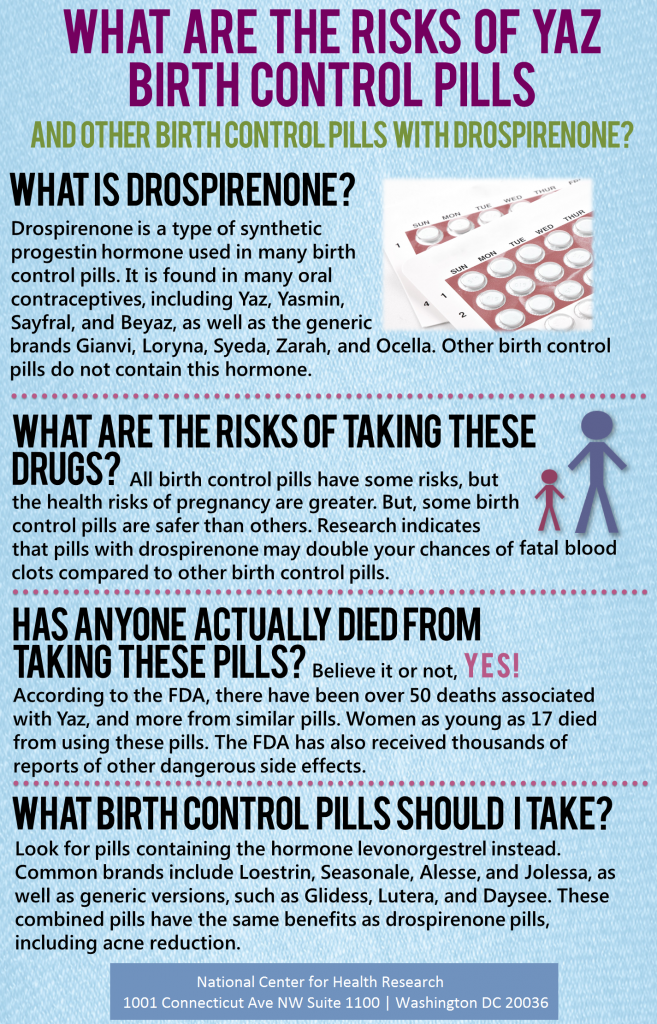
The findings indicate that some of the risks once deemed alarming have been overstated. For instance, while certain studies previously suggested an increased likelihood of blood clots, recent re-evaluations show that when appropriately prescribed and monitored, the incidence rates can be strikingly low among most women. This nuance is critical; the conversation is no longer black and white, but rather shades of gray that urge us to rethink and reassess.
However, the importance of this data lies not simply in its medical implications but also in its potential to reshape perceptions around women’s health. For centuries, discussions regarding female health have been clouded by patriarchy, often silencing women’s voices in favor of male-centered narratives. This study’s findings empower individuals to prioritize their health choices, free from the shackles of outdated stigmas and biases.
Empowerment through Knowledge: A Feminist Perspective
Access to comprehensive education surrounding reproductive health is essential for empowerment. This new perspective on birth control pills offers an invigorating challenge to the patriarchal foundations that have long dictated women’s choices. Knowledge is power, especially when it comes to navigating one’s health decisions.
It is imperative that women actively engage with this fresh data. Feminism advocates for the right to make informed choices about our bodies, and no longer should we rely on hearsay or outdated dogmas. With such revelations, women can confidently approach their reproductive health with a sense of agency. Understanding the potential risks and benefits of birth control pills fosters a culture where women advocate for their own bodies—pushing against the traditional narrative that often relegates women to passive recipients of medical advice.
Furthermore, this empowerment can lead to better healthcare policies that prioritize women’s health and experiences. By normalizing discussions surrounding birth control and its misconceptions, women can cultivate a supportive community that champions mental and physical well-being.
The Intersection of Feminism and Healthcare: Deconstructing Historical Biases
The narrative surrounding birth control pills is embedded within a broader historical landscape rife with misinformation and stigma. The introduction of contraceptive pills sparked a revolution, yet it also ignited fear and controversy. Feminist movements fought vigorously for the right to access contraceptives, underscoring the importance of bodily autonomy and the right to choose. Still, lingering biases surrounding hormonal contraceptives can reinforce harmful narratives about women’s health.
Understanding the historical context acts as a catalyst for change. In a society where women’s health decisions have often been dictated by male medical professionals, this study signals a call to action. It urges continuous scrutiny of how women’s health is represented and perceived, both in medical literature and broader societal discourse. Feminism should champion the right to accurate and comprehensive health information while dismantling the stigmatization of women’s choices.
Moreover, as healthcare providers adapt to these new findings, a more equitable patient-provider dynamic can emerge. Providers must approach conversations about contraceptive options with empathy, recognizing the potential impact of long-standing fears. By drastically reshaping how we discuss and understand birth control, we can forge a path toward a more just and equitable healthcare system.
Celebrating Progress: Reclaiming Agency in Reproductive Choices
Ultimately, the implications of this study are more than just academic; they represent a cultural shift in how we perceive and engage with women’s reproductive rights. As women celebrate this progress, it is also vital to acknowledge the ongoing challenges that persist. Equity in healthcare access, affordability, and comprehensive education remain paramount to ensuring that every woman can make informed choices about her reproductive health.
The promise of increased accessibility and education around birth control pills cannot be overstated. As we advocate for policy changes that ensure affordable contraceptive options and preventive care, we also cultivate a landscape where women can thrive, free from health-related fears that have been imposed by society. This newfound research offers a glimmer of hope, paving the way for informed choices, greater agency, and ultimately, empowerment.
In conclusion, the revelations brought forth by this study act as a seminal point in a much larger conversation about women’s health, reproductive rights, and agency. By dismantling the myths that have long surrounded birth control pills, we not only empower women to make informed decisions but also contribute to a narrative that values and respects women’s autonomy. As we move forward, let this newfound understanding foster discussions that celebrate, inform, and inspire the ongoing fight for reproductive justice.