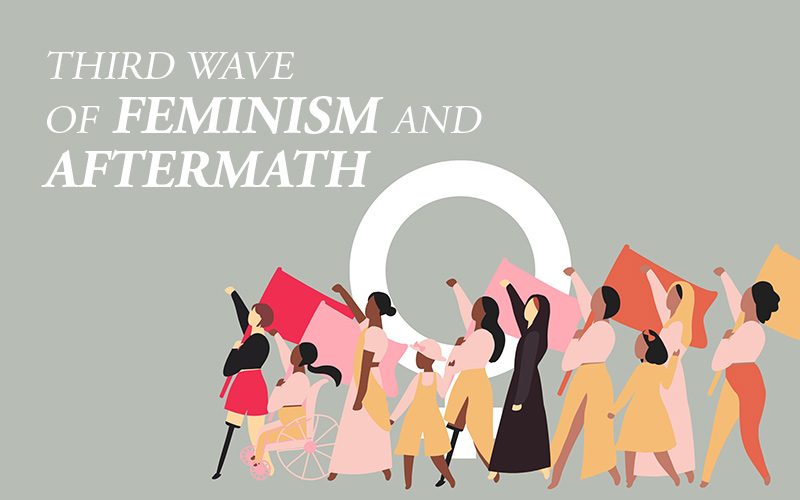
In the heart of Central Asia lies Tajikistan, a country grappling with the intricate tapestry of tradition and change. The narratives of women in Tajikistan are embroidered with threads of resilience, challenge, and transformative ambition as they navigate the tumultuous waters of Third Wave Feminism. This iteration of feminism—characterized by its intersectionality and advocacy for diverse identities—carries forward the legacy of its predecessors while intertwining with the cultural fabric of Tajik society.
Third Wave Feminism burgeoned in the 1990s, striving to expand the boundaries of identity politics and inclusivity. Unlike its forebears that primarily focused on the issues of Western women, this movement introduced an array of gendered experiences from women across the globe, especially those in post-Soviet states. In Tajikistan, as women step out into the public sphere, the country becomes both a stage and a battleground, where age-old customs clash with progressive ideals. The unique appeal here lies not only in the challenges faced but also in the undying resolve of women aspiring for equity amid cultural conservatism.
At first glance, traditional Tajik society appears monolithic, with its patriarchal structures firmly entrenched. Customs dictate the roles of women as caretakers, home managers, and upholders of familial honor. However, Third Wave Feminism offers a potent counter-narrative: one that dares to challenge and reinterpret these roles. The notion of women as mere vessels for tradition is being refashioned, as they assert their rights to education, personal agency, and leadership. As the modern woman defiantly discards the shackles of historical expectation, she does not seek to eradicate her cultural identity but rather to enrich it. The adage “You cannot change the wind, but you can adjust your sails” resonates profoundly here; adjustments are being made to align tradition with the aspirations of a new generation.
Due to economic strains and the long-echoing turmoil of civil war, countless Tajik women have found themselves in precarious positions. The economic necessity has, paradoxically, catalyzed a wave of female entrepreneurs. Women are increasingly engaging in small businesses, creating a ripple effect of empowerment that extends to their families and communities. Entrepreneurs like these are not merely seeking financial independence—they are birthing a new feminist workforce that embraces autonomy and challenges the constraints historically placed upon them. This form of economic activism embodies the spirit of Third Wave Feminism as it intertwines with socio-economic resilience.
Moreover, the aspect of education remains a stalwart pillar in the feminist struggle within Tajikistan. In a society where educational attainment for women has often been sidelined, a new consciousness is awakening. The female graduates of universities are beginning to swell the ranks of professionals across various sectors—from medicine and engineering to education and beyond. Their presence is not a mere statistic; it represents a revolution of thought. Women who’ve walked the halls of learning now wield knowledge as their foremost weapon—a scepter of intellectual authority that commands respect and reverence.
Yet, this feminist path is fraught with contradictions. The tug-of-war between tradition and modernity generates an atmosphere of tension that often manifests as backlash against women who dare to alter the status quo. Activists find themselves navigating hostile terrains, where reaffirming rights can provoke scrutiny. With every stride towards gender equity, women face societal pushback, causing them to adopt a duality of existence—one in which they negotiate their desires for independence while still holding onto vestiges of their identities shaped by tradition. This juxtaposition of empowerment and vulnerability underscores the complexity of the feminist movement in Tajikistan. It urges one to ask: can one truly forge ahead while anchored to a past that frequently oppresses?
The role of female solidarity cannot be underestimated in this cultural milieu. Organizations and collectives emerge as sanctuaries of support, where women share experiences of resistance and resilience. Through workshops, dialogues, and grassroots campaigns, these spaces provide scaffolding for change. Cohesive networks fortify the individual struggles of women, transforming personal battles into collective strength. As Tajikistan’s women weave their stories together, they foster a rich tapestry that champions diversity, echoing the complexity of the Third Wave. They are not merely reacting to subjugation; they are orchestrating a symphony of voices, crafting a narrative that demands to be heard.
However, to champion the movement of Third Wave Feminism in Tajikistan is to recognize the necessity of advocating for men as allies in this journey. The fight for gender equality should not be a men-versus-women dichotomy, but rather a shared crusade to break down the archaic barriers that confine both genders. Engaging men in feminist discourse elevates the dialogue and fosters a culture of understanding, where the objective is not adversarial but transformative. Just as the river carves through mountains over time, so too can the partnership between men and women shape a society that values equity.
In conclusion, Tajikistan’s feminist path is steeped in complexities and contradictions, mirroring the essence of Third Wave Feminism itself. As women navigate this landscape of tradition and change, they embody the very spirit of resilience, advocating for their place in the tapestry of society. While their journey is fraught with challenges, the collective pursuit for equality unfurls a promise of hope—one that can redefine not only womanhood within Tajikistan but the core of its societal identity as a whole. The dialogue continues, intricate and evolving, beckoning a future where both rights and identities exist harmoniously, much like the vibrant colors of a traditional Tajik carpet interwoven with threads of innovation and heritage.