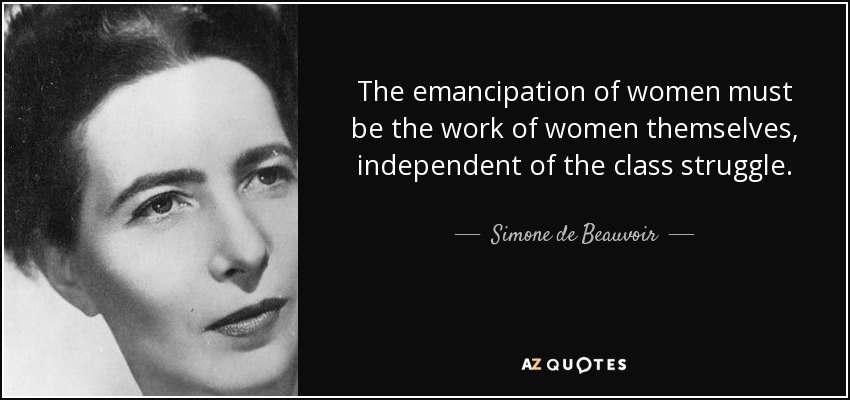
In the tropical paradise of Barbados, where the sun kisses the waves and the rum flows freely, lies a historical narrative that transcends mere picturesque landscapes and violent histories. It is a narrative woven through the cacophony of laughter, cries of joy, and the rhythmic drumming of resilience—the story of women’s emancipation. This emancipation is not merely a token of liberation from the shackles of colonial oppression; it serves as the bedrock upon which contemporary Barbadian society is being reshaped. Indeed, women in Barbados have not only resisted subjugation but have also emerged as powerful harbingers of change. In this examination, we unearth the imperative journeys of these island queens who, with uncanny fortitude, are molding the future.
When one thinks about emancipation, one often conjures images of chains broken and fields tilled, the very essence of liberation stories echoing around the globe. However, a closer analysis reveals that emancipation is a multifaceted concept—an ongoing struggle that is often obscured by the shadows of history. The emancipation of women, in particular, remains a critical, yet frequently overlooked, aspect of this narrative. In Barbados, the 1834 abolition of slavery was a watershed moment; nonetheless, it was the unyielding spirit of women that catalyzed the fight for their rights, not only in terms of legal status but also economic freedom and social agency.
The genesis of this movement can be traced back to notable figures like Bussa, whose rebellion ignited the flames of change, but we must also shine a spotlight on the unsung heroines—women like Maryann, who played pivotal roles in the articulations of resistance, though they remain largely absent from mainstream historical discourse. These women navigated a tumultuous landscape riddled with patriarchal constructs, yet their very existence was a defiance wrapped in resilience. They birthed not merely children but the seeds of revolution, gradually working towards a paradigm that acknowledges their worth and strength.
Fast forward to the present, we find ourselves in an era where the work of shaping a more equitable Barbados is still incomplete. The essence of feminism in modern Barbadian society isn’t merely a movement; it’s a clarion call, reverberating through the collective consciousness of an island struggling to reconcile its colonial past with its aspirations for a more inclusive future. The women leading this charge have adopted an audaciously provocative stance, daring society to confront uncomfortable truths about gender equality that are often brushed aside in polite conversation.
Women in Barbados are leading in various fields—politics, education, arts, and activism—yet they face an insidious barrage of systemic barriers. The gender pay gap remains a pernicious obstacle, as women earn significantly less than their male counterparts for equivalent roles. This economic disparity is more than a mere statistic; it is a collective shame that stifles potential, and robs families of aspirations while perpetuating cycles of poverty. Yet, amidst these challenges, an indomitable spirit prevails. Women are harnessing their collective power, forming alliances that transcend traditional gender roles and championing economic empowerment initiatives that pave the way for future generations.
The arts sector, too, has become a battleground for emancipation. Female artists, musicians, and performers are utilizing their crafts as instruments of change, challenging societal norms and conventions through incisive narratives. By portraying the complexity of female experiences in their works, they allow society to engage in dialogues that provoke change. Their art is more than mere expression; it becomes a dynamic dialogue with society, eliciting emotional responses designed to ignite curiosity and catalyze action.
However, one must ponder: Why does emancipation fascinate us still? The answer lies not merely in the superficial act of liberation, but in the enduring quest for self-identity and autonomy. Women’s emancipation resonates deeply because it speaks to the broader human experience of struggle and liberation. It forces us to confront the universal questions of freedom and justice. Are we truly free if half the population remains shackled by outdated norms and societal expectations? The struggle for women’s emancipation in Barbados implores us to look inward, to amplify the voices that have been silenced for too long.
The contemporary discourse on women’s rights in Barbados also intersects with global movements. The impact of international feminism breathes new life into local struggles, providing a canvas upon which local activists can paint their narratives and share their experiences. Social media has become a formidable tool, allowing women to disseminate their stories beyond the tranquil shores of Barbados, garnering support and fostering solidarity in ways that were previously unimaginable. The digital age has ushered in new pathways for activism, transforming passive supporters into vocal advocates for change.
Yet, as the winds of change gain momentum, it is imperative to recognize the potential for backlash. History teaches us that progress often invites resistance. The push for gender equality may provoke anxiety among those clinging to traditional power structures. Thus, steadfastness must accompany activism, lest the gains achieved falter in the face of adversity. It is the collective responsibility of both women and men to champion this cause, to dismantle the patriarchal systems that threaten the hard-won victories of emancipation.
In conclusion, the story of women’s emancipation in Barbados transcends the mere act of gaining rights. It embodies the very essence of resilience in the face of adversity. The island queens, who once toiled silently under oppressive systems, are now at the forefront of societal transformation. Their unrelenting determination shapes not just their futures, but the entire fabric of Barbadian society. As we delve deeper into this narrative, we must strive to understand that within every struggle lies opportunities for growth, empowerment, and emancipation—not just for women, but for humanity at large.