Women’s Emancipation in Brazil: Diverse Voices in the Fight for Rights
The struggle for women’s emancipation in Brazil, an intricate tapestry woven with the threads of race, class, and gender, remains a pivotal chapter in the nation’s history. This fight is not merely a pursuit for equality; it is an echoing chorus of diverse voices resonating through the corridors of power. Understanding this symphony of female resilience offers a fresh perspective on the relentless confrontation against patriarchal norms that pervade Brazilian society.
Brazilian women have long been marginalized, their voices muffled under layers of socio-economic disparities and cultural stigmas. Nevertheless, they have persevered, emerging as formidable forces for change. The narrative is fortified by the acknowledgment that this emancipation is not monolithic; it is a mosaic of women’s experiences across different ethnicities and socio-economic standings.
The historical backdrop is bewildering. Brazil, a nation with a rich tapestry of indigenous, African, and European heritage, has nurtured a matrix of diverging identities. This diversity, however, has often overshadowed the commonality of their plight against subjugation and systemic oppression. Women from various backgrounds have united, finding strength in their differences, thus proving that the fight for rights transcends individual experiences.
Consider the lens of race: Black women in Brazil face unique challenges that White women may not encounter. The intersectionality of race and gender discrimination compels Black Brazilian women to navigate a convoluted terrain fraught with inequalities. Racial violence, economic disenfranchisement, and a societal hierarchy built on the vestiges of colonialism inform their struggles and activism. Groups like the Geledés Instituto da Mulher Negra have become vanguards in combating racism while advocating for gender equality, amplifying the voices that are often relegated to the shadows.
Furthermore, the historical ramifications of colonization and slavery have distinctly informed the feminist movement in Brazil. The legacy of systemic violence not only disrupts familial and social structures but also enforces a collective amnesia surrounding the real stakes of women’s rights. In this context, the emergent discourse encourages women to reclaim their narratives, weaving intricate stories of resilience and resistance that challenge dominant, oppressive paradigms.
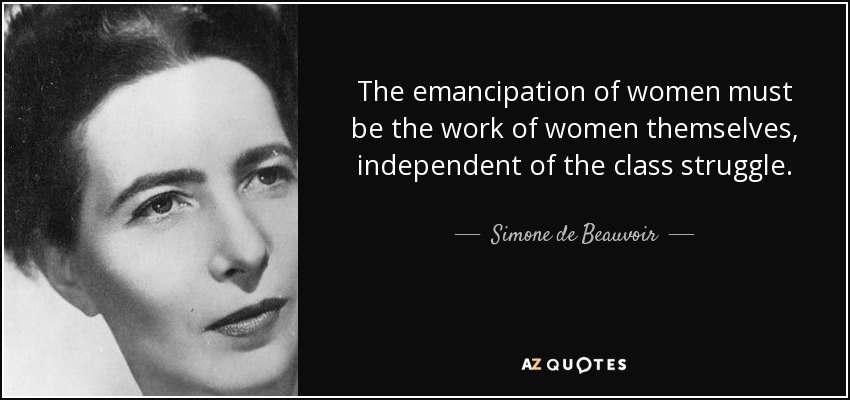
And what of class? The disparity between the affluent and the impoverished often dictates the level of activism and engagement among women. While middle and upper-class women may advocate for issues such as reproductive rights and workplace equality, those in lower socioeconomic strata grapple with existential dilemmas that supersede activism’s lofty goals. Access to healthcare, education, and basic human rights remains a glaring chasm that ignites fiery activism, igniting demands for comprehensive reforms. In this regard, alliances between classes become indispensable, fostering a collective consciousness that champions the needs of all women.
The climate of political turbulence cannot be overlooked in this discourse. Brazil’s political landscape, marred by patriarchal governance and misogyny, creates an environment where the rights of women are frequently trampled. Yet, resilience abounds. The rise of grassroots movements presents a compelling paradox: as political disenfranchisement prevails, women’s voices grow louder and more unified. The brutal realities of their experiences combat the apathy of the political elite, as women forge pathways for activism that straddle the digital and physical realms. The emergence of social media as a tool for mobilization has catalyzed a nationwide conversation, allowing diverse voices to intertwine and amplify one another.
The #EleNão movement serves as a striking illustration of this phenomenon. It was a reaction against misogyny and violence, sparking a revolution of consciousness across diverse demographics. Women rallied not just against a singular figure but against a systemic culture that perpetuates silence and submission. Consequently, the movement fostered dialogue among women from various factions, allowing for a kaleidoscopic view of their experiences and challenges.
Critically, the narratives of Indigenous women further enrich this dialogue of emancipation. Often relegated to the periphery, their cultural wisdom and steadfast resilience become vital in challenging dominant paradigms. For Indigenous women, the fight for rights is inextricably linked to the fight for their land and cultural preservation. By intertwining environmentalism with feminism, these women illuminate pathways to social justice that transcend traditional boundaries, positioning themselves as vital leaders in the ongoing struggle for emancipation.
Thus, the claims of unjust treatment echo through Brazil’s geographical expanse, each region resonating with its unique stories and struggles. From the verdant landscapes of the Amazon to the bustling streets of São Paulo, women are redefining what emancipation looks like in the contemporary era. It is about dismantling systemic inequalities, advocating for reproductive rights, and closing the gender pay gap. It is about creating a future where women can thrive, unencumbered by oppressive forces.
In summation, the emancipation of women in Brazil represents a multifaceted struggle that intertwines race, class, and cultural identity. It is an ongoing battle marked by increasing visibility and vigorous activism. Women are weaving a narrative that is not simply their own but a collective story of resilience that reflects the diverse voices of a nation. As this movement evolves, it poses compelling questions about the future of rights and equality. In a world that often seeks to silence them, these women are more than a whisper; they are a clarion call, forcing society to reckon with the realities of injustice. The time has come for the diverse voices of Brazilian women to be heard, acknowledged, and celebrated as they continue their relentless fight for emancipation and justice.