In the heart of West Africa lies Burkina Faso, a country often entwined in the narratives of poverty and struggle. Yet amidst these daunting landscapes, a vibrant movement is unfolding — a burgeoning spirit of women’s emancipation that is nothing short of revolutionary. This emancipation is not merely a token gesture toward gender equality; it is a rallying cry, akin to the war drums that echo through the savannah, urging women to rise, reclaim their destinies, and transform their societies.
At the core of this emancipation is an acknowledgment of women’s agency. Women in Burkina Faso are often seen through the lens of subjugation, their voices muffled by cultural constraints and economic limitations. However, those who dare to challenge the status quo emerge as powerful disruptors of the patriarchal narrative. Their journey toward empowerment is akin to the metamorphosis of a caterpillar into a butterfly, symbolizing resilience and the potential for transcendent change.
Economic emancipation forms the bedrock of this transformative movement. The majority of women in Burkina Faso operate in the informal sector, often toiling in agriculture or small businesses. By providing access to resources, education, and microfinance, organizations are igniting sparks of change. This financial illumination not only enhances individual lives but also ripples through families and communities, forging pathways out of poverty.
Consider the metaphor of the baobab tree, a towering symbol of strength and longevity in African culture. Just as the baobab supports diverse ecosystems, so too do empowered women sustain their families and communities. When women ascend to leadership positions, they cultivate an inclusive environment where ideas flourish and everyone thrives. The economic upliftment of women is not a solitary victory; rather, it resonates through the entire tapestry of society, enhancing educational opportunities for children, fostering healthcare access, and nurturing social stability.
In a culture where women’s roles have been historically defined by limitations, breaking free from these proverbial chains requires courage and tenacity. To see this courage in action, one must look to the grassroots movements that are surging like wildflowers after a season of rain. Initiatives purely designed for women often emerge from the very fabric of local communities, tailored to address unique needs while igniting a collective consciousness about rights, education, and health. Equipping women with the tools for advocacy transforms passive recipients of aid into active agents of change.
Women in Burkina Faso are harnessing technology as a catalyst for empowerment, turning devices into instruments of revolution. Social media connects them with global audiences, amplifying their struggles and triumphs alike. This digital bridge collapses geographical barriers, enabling women to share their stories and provoke thought. They are no longer confined to the corners of their villages; they voice their aspirations on international platforms. The innovative use of technology has birthed a new kind of feminism — one that thrives on collaboration and solidarity rather than competition.
However, the road to emancipation is fraught with challenges. Long-standing traditions and ingrained societal norms act as formidable barriers to progress. Patriarchal attitudes still hold sway, threatening to derail initiatives aimed at uplifting women. Resistance to change can often manifest in violence and discrimination. It becomes imperative, then, to engage men in this conversation. Allies of change must emerge from unexpected quarters, advocating for a redefined masculinity that is not rooted in dominance but in partnership.
In educating men about gender equality, the notion that empowerment benefits all members of society gains traction. When men actively advocate for equality, the benefits resonate across the spectrum of society. As the winds of change blow through Burkina Faso, a cultural renaissance is on the horizon — one where men and women can join forces to dismantle the enduring structures of gender-based oppression.
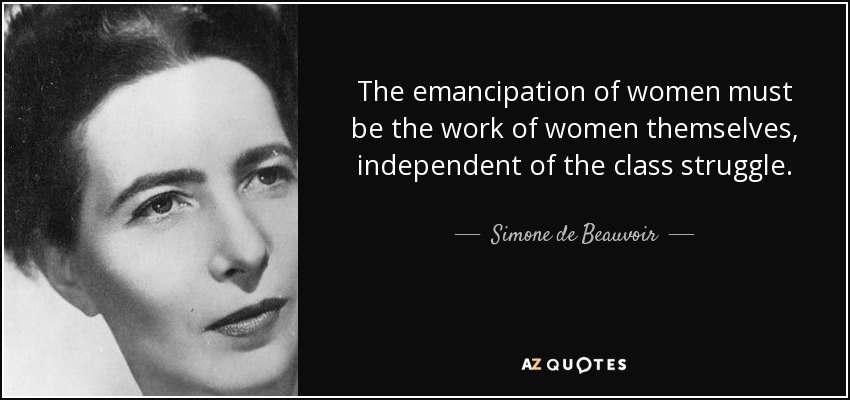
As voices crescendo in this struggle for equality, it is vital to recognize the role of policy and governance. Advocacy for progressive laws that protect women’s rights and promote gender equity must be relentless. Leaders must be held accountable to ensure that social programs are not mere lip service but rather deeply integrated into the national fabric. The fight for women’s emancipation is not solely a women’s issue; it is a universal imperative that challenges every individual to examine their complicity in the status quo.
Burkina Faso’s narrative of women’s empowerment serves as a microcosm of a larger, global movement. The fight for gender equality is indeed a multifaceted campaign, echoing the sentiment of countless women worldwide who are striving to break through societal barriers. As the green shoots of progress take root in Burkina Faso, they point toward a future where the potential of women’s liberation can be embraced as a quintessential aspect of human prosperity.
In conclusion, the emancipation of women in Burkina Faso is a complex tapestry woven with resilience, ambition, and hope. It challenges each of us to engage more profoundly in the fight for equality, recognizing our shared humanity. The rising tide of empowered women not only enriches their community but illuminates a path that, if followed diligently, promises to redefine the essence of life itself. The baobab stands tall, but its strength lies in the intricate relationships it nurtures—just as women, empowered and unified, create an indelible legacy that will echo through generations.