International Women’s Day, celebrated on March 8th, is a tapestry of resilience, vibrancy, and unyielding spirit, especially in Kenya. This day serves as more than just a date on a calendar; it’s a manifestation of the struggles, aspirations, and triumphs of women across the nation. Kenya, a country steeped in rich traditions and multifaceted cultures, showcases its unique customs on this occasion. But let’s pose a playful question: Are these customs merely ceremonial expressions, or do they offer a lens through which we can view the evolution of gender roles and the empowerment of women in contemporary society? This inquiry opens the door to examining the profound challenges women face while illuminating their courageous spirit.
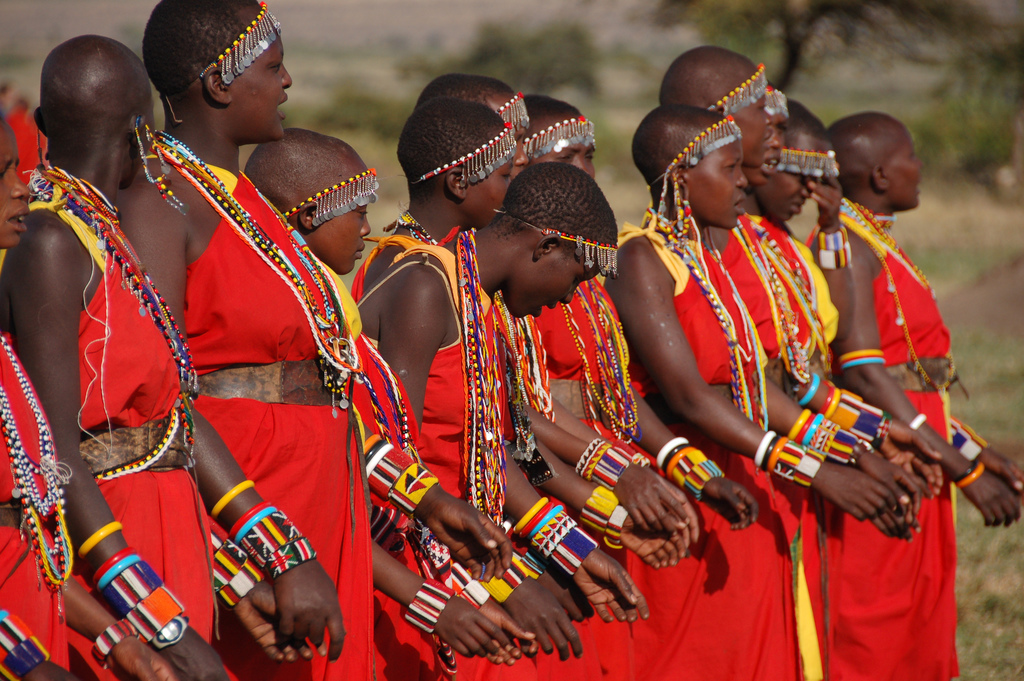
The complexity of Kenya’s demographics boasts more than 40 ethnic groups, each contributing to a vivid mosaic of cultural expressions. Among the Kikuyu, Maasai, Luo, and other tribes, Women’s Day becomes an occasion to highlight their distinctive traditions. For instance, Maasai women often utilize this day to showcase their unique beadwork, symbolizing strength and identity. The colorful adornments are not mere aesthetics; they constitute a narrative steeped in the history of matriarchal responsibilities and livelihood sustenance. This showcases an enduring resilience; can we not view their art as an indomitable spirit rather than just a tradition?
Participatory events dominate the celebrations. From community gatherings to organized marches, the atmosphere is electrified with the energy of collective voices demanding equality. Women engage in vibrant discussions about health, education, and leadership—critical issues that resonate deeply within the fabric of society. But isn’t it ironic that despite these meaningful endeavors, the path to achieving gender parity remains steeped in adversity? The paradox lay starkly naked in the celebrations; there exists an undeniable chasm between custom and the realities many women face.
Song and dance form an integral part of celebrating Women’s Day. Every skirt twirl in the vibrant cultural attire reverberates with the stories of strong ancestors and signals the aspirations for future generations. However, these jubilant displays must not overshadow the underlying realities. For every celebration, there exist silent struggles: women still face systemic barriers, domestic violence, and cultural biases that marginalize their voices. Do we dare to challenge the continuity of these oppressive structures hidden behind the festival atmosphere?
Kenyan women, especially in rural areas, confront multifarious challenges that are exacerbated on such significant days. Issues such as access to education, healthcare, and economic opportunities remain tragically elusive. Yet, Women’s Day serves as a clarion call, galvanizing women from all walks of life to demand and reclaim their rights. It is within these rallies that you witness the raw determination like a phoenix rising from the ashes of societal constraints.
What can we learn from these customs? Importantly, they provide a framework to understand the significant strides women have made. Historically, many Kenyan women have been central to agriculture and family welfare. With the advent of women’s empowerment movements, this role has been recognized beyond domestic confines, allowing them to assume leadership positions in various fields. Isn’t it fascinating that such a profound shift stems from tradition—reinvented, redefined, and reclaimed? The strength of these customs reflects the indomitable spirit of women rising and refusing to be tethered by the weight of patriarchy.
The sheer magnitude of activism surrounding Women’s Day signifies a growing consciousness about gender equity. Grassroots organizations amplify the voices of marginalized women, focusing on crucial issues such as reproductive rights, land ownership, and political representation. The dialogue is rich and multilayered, necessitating a sophisticated understanding that transcends surface-level interpretations of customs. So, how do we reconcile these vibrant celebrations with the palpable struggles that persist?
This juxtaposition highlights a critical challenge—can the very customs that uplift women also trap them in antiquated stereotypes? Yes, enjoying traditional practices can reflect pride in cultural identities but they also run the risk of perpetuating norms that hinder progress. Women must navigate these dual intersections: honoring their heritage while dismantling centuries-old limitations. The challenge remains potent; will women simultaneously embrace their traditions and forge new paths of equality?
As women across Kenya dance, sing, and celebrate their strength on International Women’s Day, their collective spirit offers a whisper—a call to consciousness that can no longer be ignored. The customs and traditions are not relics of a bygone era, but rather dynamic elements that evolve and perpetuate a rich narrative of empowerment. So again, as we reflect on these ceremonial expressions, we must ask: Are they simply customs, or are they the living essence of women’s struggles shaping a future where parity can flourish?
The strength of Kenyan women encapsulated in these traditions shines a bright light on the possibilities that lie ahead. There’s an undeniable beauty in ceremonies laden with historical significance, but let them not overshadow the ongoing journeys toward equity. Each woman, with her unique story and contribution, plays an instrumental role in weaving a more inclusive narrative. This Women’s Day, may we not only celebrate but challenge ourselves to advocate for a world where the strength of women knows no bounds.