In the vast tapestry of religious and cultural narratives, the archetype of the “virtuous woman” stands out as a symbol of purity, strength, and unwavering faith. However, the very term often breeds misconceptions that limit its interpretation, casting virtuousness into a narrow, oppressive box. To assert that “A Virtuous Woman Is a Gift from God” prompts a critical examination of what virtue truly encapsulates, urging a radical shift in societal perspectives.
Historically, the narrative surrounding virtuous women has been tethered to the ideals of obedience and subservience. Women were often portrayed as passive participants in the religious narrative, lauded for their compliance and dimmed desires. This outdated paradigm needs to be dismantled. A virtuous woman is not merely a pious adherent of societal norms; she is a revolutionary force capable of transforming the world through her actions, choices, and beliefs.
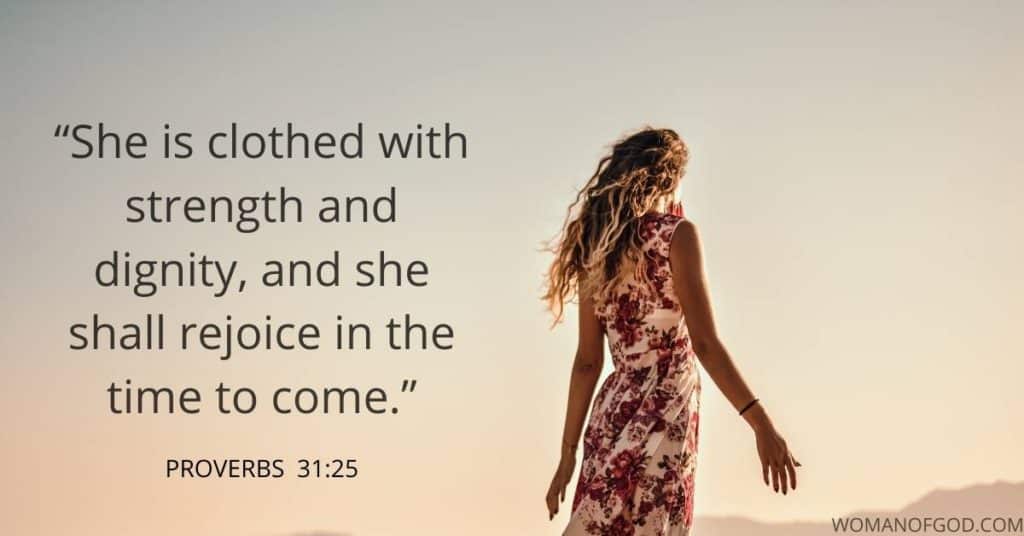
Consider the Biblical portrayal of virtuous women, often epitomized in Proverbs 31. This virtuous woman is depicted as an entrepreneur, a homemaker, and a community leader. She is industrious, wise, and compassionate, embodying qualities that extend far beyond simple obedience. In essence, she radiates strength and resourcefulness—qualities that stand in stark contrast to traditional expectations. Indeed, one must ask: why do we continue to cling to antiquated definitions of virtue when an expansive interpretation can invigorate both faith and feminism?
Virtuousness entails a commitment to integrity, wisdom, and resilience—qualities that a modern woman deploys in both her personal and professional life. Embracing her virtues can be unsettling for those who cling to traditional narratives. Yet, challenges to these norms often yield growth. A virtuous woman defies societal pressures to conform. She crafts her identity unapologetically and navigates her spirituality with autonomy, highlighting the dichotomy between yielding to conformity and embracing one’s divine gifts.
Moreover, the virtues nurtured within her often ripple outward, impacting her community in profound ways. The act of embodying virtue invites a communal paradigm shift, leading others to also reconsider their roles. The idea that a virtuous woman is solely focused on her family undermines the broader implications of her presence in society. Women, through their virtuous actions, can inspire others, initiate vital dialogues, and challenge systemic inequalities. This redefinition includes advocating for the marginalized, standing against injustices, and fostering communal solidarity, thus transforming the very fabric of society.
To elevate this conversation, we must interrogate the notion of “gift” itself. When we declare a virtuous woman as a gift from God, we imply that her existence serves a purpose that transcends mere adherence to stringent guidelines of behavior. This nomenclature must be viewed through a lens that acknowledges the individuality, strengths, and unique contributions of each woman. To deconstruct the reductive perspective of virtue allows for an appreciation of the multifaceted nature of femininity, where the divine manifests not through passive compliance but through active engagement and leadership.
What, then, does it mean to recognize a virtuous woman as a gift? This declaration invites us to appreciate intersectionality—the unique experiences formed by identity, race, sexuality, and socioeconomic status. In acknowledging that each woman’s virtue unfolds against the backdrop of her lived experience, we cultivate a much richer and more nuanced understanding of heritage and sagacity. We foster a culture that values authenticity and invites diverse voices into discussions about faith and virtue.
Furthermore, recognizing the virtuous woman as a divine gift jolts the conversation away from moral judgments and stigmas that often pervade discussions about female conduct. This shift calls for an assessment of the virtues espoused by women as reflective of a higher, perhaps even revolutionary, calling. Women embody virtues that are not just personal characteristics but collectively challenge the status quo and inspire future generations to forge paths of courage, determination, and radical love.
Encouraging women to claim their virtues also demands a broader cultural reevaluation. These women must be fully aware that their journey is imbued with both beauty and struggle. They traverse spaces that challenge their beliefs, confront their biases, and endeavor against daunting odds. In this journey, they unveil societal incoherence and illuminate pathways to authenticity and empowerment. Whether by dismantling patriarchal constructs or advocating for social justice, their commitment is nothing short of noble.
In summation, a virtuous woman is indeed a monumental gift from God—not in the archaic, subservient sense, but as a testament to resilience, diversity, and proactive agency. The reformation of what it means to be virtuous compels us to reconsider the roles women play in the spiritual and secular realms. This recognition has profound ramifications, leading to a broader understanding of rights, responsibilities, and the infinite possibilities that lie in one’s capacity to foster change.
As we begin to stir the pot of tradition and dismantle time-worn stereotypes, we find that the elucidation of the virtuous woman’s true essence creates space for inquiry and empowerment. A virtuous woman, defined on her terms, is a radical entity who can catalyze societal progression and cultivate a world where authenticity and faith coexist harmoniously. Embrace this virtuous woman—she is indeed a gift, and through her, we witness the profound breadth of divine intention.