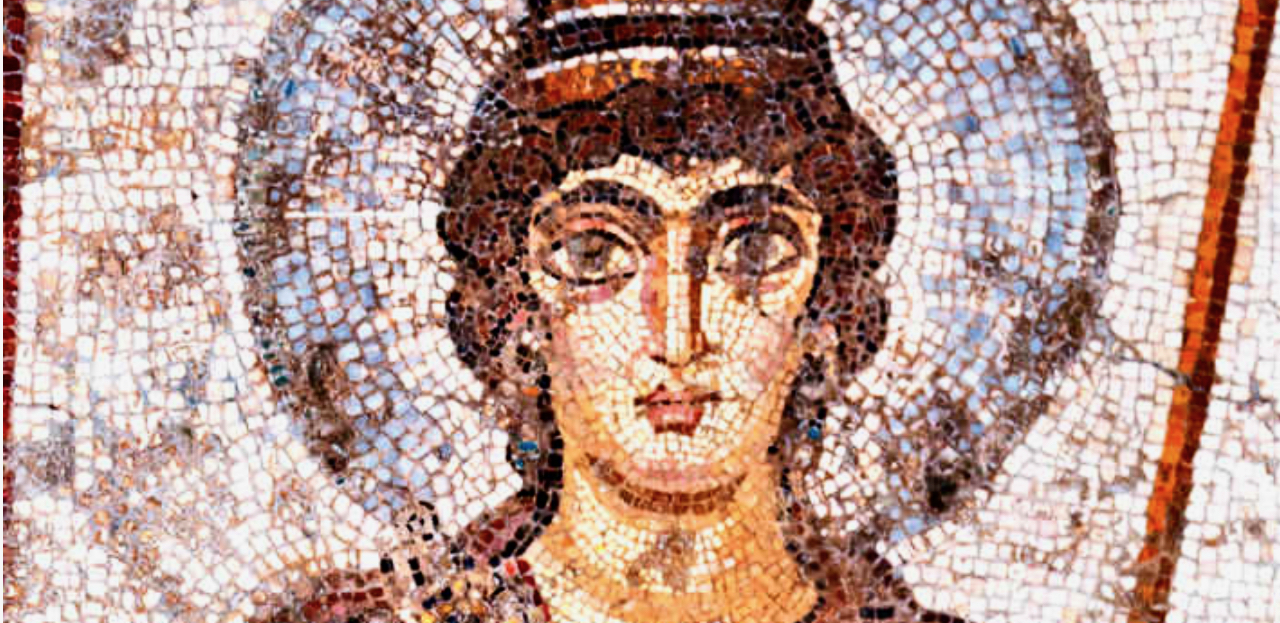
Imagine being a Greco-Roman woman living in a bustling city where the foundations of democracy, philosophy, and culture are being laid. What does a week in your life look like amid the grand temples, vibrant marketplaces, and the shadow of male authority? In contemplating the quotidian experiences of a woman in antiquity, we unveil an intricate tapestry woven with resilience, empowerment, and often harrowing restrictions. This glimpse into her daily life invites us to challenge our preconceived notions of historical narratives dominated by male viewpoints.
As dawn breaks over the Greco-Roman landscape, the day begins with the sounds of the city stirring to life. The early hours are often the province of the household, where women, particularly those of higher social standing, engage in the art of managing the home. Education—albeit limited and largely separate from the formalized institutions reserved for men—can take place in these intimate settings. It is a world where the sound of women’s laughter mingles with the muffled tones of men discussing matters of politics and philosophy, a stark reminder that the private and public spheres are engaged in a constant dance of power and distinction.
But what if we dared to flip the narrative? What if these women, many of whom have been relegated to the background of historical accounts, were not mere spectators in their own lives but active participants shaping their destinies? The domestic space, though often perceived as a prison, transforms into a site of strategic negotiation, power plays, and, at times, rebellion. These are not just wives and mothers; they are businesswomen, caretakers, and, yes, even patrons of the arts.
As the sun climbs higher, the women of the household embark on their daily chores, which may include the intricate processes of textile production. Spinning, weaving, and dyeing fabrics are not simply tasks; they are critical contributions to the family’s wealth and stature. Women monopolized the textile industry in many respects, wielding their skill like a weapon against economic subservience. A woman’s ability to produce exquisite garments could afford her a measure of influence and respect, subtly undermining the rigid hierarchical structures imposed by society.
Lunch bellies rumble. The once-serene domestic space transforms as the family gathers to partake in their meal. This moment is emblematic of the gendered dynamics at play: the woman serves, always the nourisher, designed to fulfill her familial duties. Yet herein lies a paradox: the very act of feeding her family is imbued with power, a chance to assert her preferences and philosophies through the culinary arts. What recipes are passed down through generations, and what stories do they tell? In a single meal, she can assert cultural identity, tradition, and legacy—essential threads in the fabric of community.
As afternoon approaches, the household chores wane, and the tantalizing prospect of social interaction beckons. The agora—a bustling hub of commerce and discourse—is an oasis of opportunities. Here, women might gather for festivals or spiritual observances, cloaked in their finest attire yet acutely aware of the gazes upon them. It is here where the lines between compliant citizen and radical thinker blur. Instead of observing from the sidelines, many Greco-Roman women assert themselves, leveraging their social gatherings to voice opinions on political and philosophical issues, tantalizingly close to the seat of male dominance.
But who says that societal constraints limit participation? The chronicles of ancient texts illuminate instances of women engaging in civic duties, owning property, and even participating in religious rites traditionally reserved for men. Are these not acts of defiance, resonant testaments to their agency? They challenge the notion that women were mere pawns in the patriarchal chess game of history; rather, they emerge as queens in their own right—habilitating spaces for change within the confines of societal norms.
As the week progresses, a sense of solidarity can be felt amongst women. Weekly gatherings to share knowledge, grievances, and triumphs imbue a collective strength that transcends their isolated existence. This camaraderie breaks the silence surrounding their struggles and successes. Could this be the inception of a feminist consciousness centuries before the term ever existed? This notion invites a reexamination of what empowerment means and who designates the narratives of history.
In the evenings, women often partake in spiritual practices, honoring the deities of fertility, wisdom, and domesticity. This intimate connection to the divine further substantiates their roles as pivotal members of society. The sacred and secular intermingle, creating layers of meaning that resonate deeply with their lived experiences. Women’s spirituality—often overlooked in mainstream narratives—bears the threads of resistance against a world intent on dictating their existence.
Yet, as we consider this vibrant tableau, we must grapple with the limitations imposed by societal structures. The specter of misogyny looms—an ever-present force. Slavery, forced marriages, and social ostracism are realities encountered by many women. Thus, while we celebrate their resilience, we must also critique the sociopolitical contexts that sought to diminish their voices. It brings to the fore a fundamental inquiry: can we truly celebrate progress without acknowledging the setbacks experienced along the way?
As the week draws to a close, the life of a Greco-Roman woman reveals a multitude of layers hidden beneath the veneer of history. Her narrative, replete with moments of defiance, camaraderie, and spirituality, invites us to challenge the dominant discourse of male-centric histories. In retracing the steps of these women, a resounding truth emerges—their stories are not just relics of the past but lessons for the present and future. A clarion call rings forth: dare we acknowledge their contributions, ensuring that history remembers not just the victors, but also those who fought valiantly in the shadows? The echoes of their lives demand our attention, compelling us to embrace a more nuanced and inclusive understanding of our shared human saga.