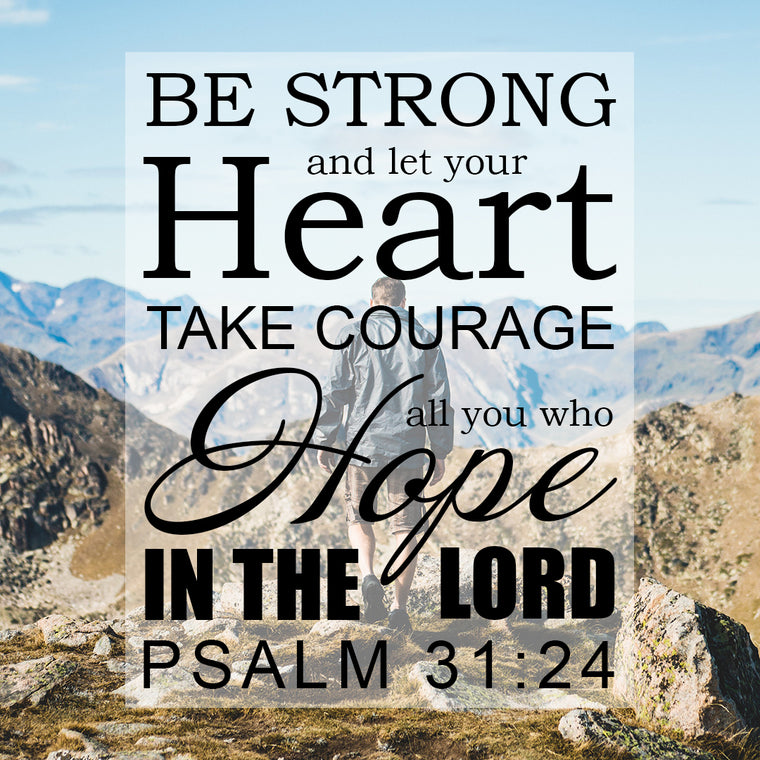
What does it mean to possess strength in a world that often undermines the very essence of femininity? This is a question that resonates deeply within every woman. The Bible, a revered text, may include verses that seem to conflate strength with masculinity, but its pages also resonate with stories of formidable women imbued with faith-fueled courage and astounding resilience. What if these verses, often neglected or twisted to fit patriarchal narratives, could serve as a clarion call for a generation of women to embrace their inherent power?
From the resounding confidence of Esther to the unwavering tenacity of Ruth, the scriptures are punctuated with women who defied the odds, illustrating that strength and divine purpose are not exclusive to one gender. They challenge us to reconsider preconceived notions about spiritual fortitude. Why should the narrative solely circle around male figures? How can we elevate the voices of women in biblical accounts, spotlighting their valor and unyielding spirit?
Take, for instance, the verse in Proverbs 31:25: “Strength and dignity are her clothing; she laughs at the time to come.” Here, strength is not merely physical; it’s an intrinsic quality that denotes a resilient spirit and an unwavering belief in oneself. This is a potent reminder that true strength transcends societal expectations; it revels in the authenticity of character. Are we, then, willing to laugh at looming shadows, emboldened by faith?
The narrative of Deborah, a prophetess and judge, further exemplifies the redefinition of strength. Found in Judges 4-5, she took charge in a tumultuous era, rallying the Israelites to fend off oppression. Deborah’s leadership is not simply a historical event; it serves as an emblem of women’s capabilities and a testament to feminine prowess. When considering her role, one may ponder: Are women today ready to embrace such leadership, equipped with faith-driven resolve?
Moreover, let us reflect on Hannah, the mother of Samuel. Her story, fraught with despair and yearning, culminates in the extraordinary strength she exhibits through prayer. In 1 Samuel 1:10, it is said, “In her bitterness of soul, Hannah wept much and prayed to the Lord.” This remarkable vulnerability demonstrates that strength does not always roar; sometimes, it whispers through tears of anguish. Are we not encouraged by her example to express vulnerability while remaining steadfast in our beliefs?
Throughout the New Testament, women continue to exemplify tenacity and spiritual fortitude. Consider the woman at the well in John 4:13-14, whose encounter with Jesus transformed her life. Not only did she confront societal stigmas, but she also became a harbinger of hope, sharing her revelation with her community. In what ways are women today called to share their truths and defy societal limitations, much like her?
The overarching theme of women’s strength within the Biblical context ultimately culminates in an intricate tapestry of stories that stress the importance of faith. Strength is often showcased through acts of courage that defy conformities. Thou shalt not cower in the face of discrimination. Instead, draw from the deep well of faith that fortifies resolve. Are we ready to harness that power, like the women before us? Are we willing to raise our voices, to be unyielding in our pursuits? The scriptures continually embolden this sentiment.
Consider Mary, the mother of Jesus, who exemplified profound strength in the face of societal judgment. From her acceptance of a divine calling to her anguished presence at the crucifixion, she reflects a spectrum of strength tempered by resilience. Her journey incites us to ask: How can we embody such grace under pressure in our journeys, confronting both external and internal challenges with unwavering faith?
In exploring these narratives, we must illuminate a crucial inquiry: Are these Biblical verses merely archaic reflections of a bygone era, or do they issue a compelling invitation to contemporary women? Herein lies a challenge—to extract from these stories transformative wisdom that aligns with the current feminist struggle. Each verse can be a seed of empowerment, igniting the flame of resilience that resides within us all.
Furthermore, the challenge persists in not merely acknowledging these narratives but actualizing their essence in our present-day realities. How can we transform waking moments into declarations of faith-fueled strength? By actively engaging with these scriptures, we can harness their potential as tools of empowerment, shaping our identities while challenging societal norms. This is not an endeavor without its hurdles, but the road paved by our biblical predecessors glimmers with possibility.
As we explore the biblical accounts of women and their strength, we ultimately come full circle, realizing that faith-fueled courage is not a relic of the past; it is an ongoing call to action. To draw inspiration from the women of the Bible is not merely to pay homage to their strength but to invoke that same spirit within an evolving movement for gender equality. Are we prepared to rise, collectively enabling one another to challenge conventions, fueled by the indomitable courage echoed in those ancient verses?
In conclusion, the narratives of resilient women in the Bible beckon us to redefine strength and courage in our modern contexts. Their legacies remind us that the fabric of faith, courage, and resilience is intricately woven within the very essence of womanhood. The time has come to reject the narrative that diminishes women’s strength and to boldly claim the inheritance of courage that is our birthright. Will you answer the call?