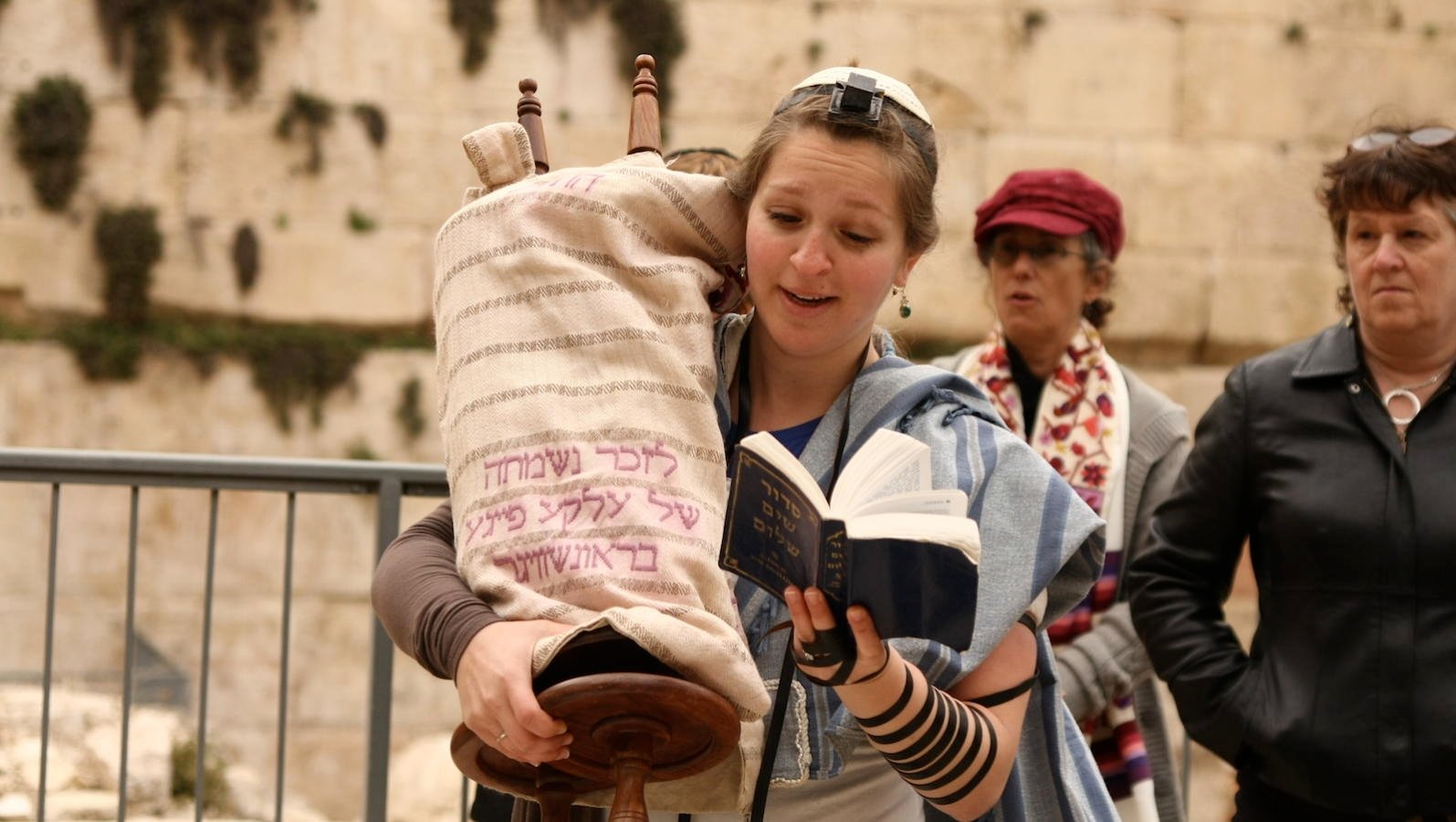
The complex tapestry of gender roles interwoven with religious identity spins a compelling narrative when we delve into the question: Can women don yarmulkes? This inquiry unearths layers of tradition, modernity, and feminist exploration, revealing the intrinsic struggle for autonomy against the backdrop of cultural expectations. To understand this dilemma, we must first dissect the significance of the yarmulke, also known as a kippah, within Jewish culture. This simple headpiece, emblematic of humility before the Divine, has long been worn predominantly by men. Yet, the relentless march of progress beckons women to challenge these archaic norms.
Historically, the yarmulke is a potent symbol of Jewish identity. It is not merely a fashion accessory; it is a declaration of faith, an intimate connection with the Divine. But why should this sacred item be relegated to the male gender? The historical exclusion of women from religious rituals is reminiscent of a heavy cloak that stifles the very essence of spiritual connection. The yarmulke can be viewed as a microcosm of the broader patriarchal structures prevalent in many religions, echoing a narrative that women’s spirituality must be confined to the shadows. It is imperative to question: Why must the Divine be accessible only through a male lens?
As we venture further, let us consider the shifting paradigms within Judaism itself. In many progressive communities, the inclusion of women in all aspects of religious life has initiated a renaissance of sorts. Women are becoming rabbis, leading services, and reclaiming their spiritual agency. In this light, the act of wearing a yarmulke transcends mere aesthetic choice; it becomes a symbol of resistance—a defiant proclamation that feminine spirituality is just as valid, poignant, and essential as that of their male counterparts.
Yet, this assertion is not without its controversies. Traditionalists abound, advocating for the status quo with fervent passions. They argue that allowing women to wear yarmulkes would undermine centuries of practice, destabilizing the delicate balance of religious observance. They invoke the sanctity of tradition as if it were an unassailable fortress. But is tradition inherently sacrosanct, or does it exist as a living, breathing entity, subject to evolution and reinterpretation? Must we remain shackled to antiquated practices when the winds of change whisper promises of equity?
One cannot ignore the ills of cultural appropriation that surface in similar discussions within various faiths. When women embrace male-associated religious symbols, there is a risk of commodifying and trivializing profound traditions. Such acts can regenerate patriarchal narratives that stifle genuine empowerment. Thus, the challenge lies in striking a balance: how can women reclaim the yarmulke while honoring its rich heritage? The answer lies beneath the nuances of intersectionality, where the complexities of gender, culture, and faith meet.
Moreover, consider the broader implications of what wearing a yarmulke can signify. For a woman, donning this headwear can morph into an act of rebellion against systemic oppression. It can transform from a mere garment to a crown borne of resilience—a powerful emblem of self-definition and autonomy. Each time a woman places a yarmulke upon her head, she is not merely asserting her rights; she is challenging the status quo, igniting conversations, and inviting scrutiny of patriarchal structures both within and beyond her faith.
Furthermore, the act of wearing a yarmulke can remarkably serve as a point of connection among women from different faiths. The shared experience of claiming a piece of headwear entwined with spiritual significance forges a bond that transcends religious divides. In this light, the yarmulke metamorphoses into a banner of sisterhood—a shared rebellion against the confines of gendered expectations. By reclaiming the yarmulke, women are not only taking ownership of their faith but are also participating in a broader narrative aimed at dismantling the systemic barriers that have long governed their identities.
In the streets where tradition meets modernity, women adorning yarmulkes become potent symbols of empowerment, representing a radical re-envisioning of spirituality. It is a clarion call to the world, declaring that faith and identity are not confined to rigid frameworks but should embody the fluidity and dynamism of human experience. Imagine a future where women, adorned with these symbols of faith, walk with pride, illuminating spaces long relegated to shadows.
Ultimately, the conversation surrounding women and yarmulkes is a glimpse into the broader interrogation of faith, gender, and identity. It challenges us to rethink not only the policies that dictate religious dress but also the ethos that shapes our understanding of what spirituality can and should encompass. Can women wear yarmulkes? The answer is not merely a yes or no; it rests in the heart of a resounding “why not?” A call to action, an anthem of liberation, and a declaration of self—the yarmulke, if embraced by women, heralds a new era of empowerment and inclusivity within religious traditions.
So, will women wear yarmulkes? The times they are a-changin’. The yarmulke, now, weaves a new narrative of faith and identity, rallying forward to embrace change with open arms and unabashed audacity.