Femslash culture occupies a distinctive and influential position within contemporary fandom. Rooted in creative reinterpretation, it centers on romantic or emotional pairings between female characters—often characters whose relationships were minimized, subtextual, or entirely absent in their original narratives. At its best, femslash offers imaginative freedom, queer visibility, and a corrective lens to historically male-dominated storytelling. At its worst, however, it can become entangled with cyberbullying, harassment, and internal gatekeeping that undermine the very ideals of inclusivity and safety upon which it was built.
Understanding how femslash culture intersects with cyberbullying requires a shift in perspective and piquing curiosity. The question is not whether femslash is valuable—it undeniably is—but how its digital spaces can be protected from behaviors that replicate broader patterns of online harm.
The Cultural Foundations of Femslash
Femslash did not emerge in a vacuum. It developed as a response to structural absences in mainstream media, where women’s inner lives, queer identities, and relational depth were frequently sidelined. Early fandoms surrounding series such as Xena: Warrior Princess and Buffy the Vampire Slayer exemplified this dynamic. Viewers identified emotional intensity, loyalty, and intimacy between female characters and expanded these elements into narratives that mainstream texts hesitated to confirm.
Femslash thus became an act of narrative reclamation. It allowed creators—predominantly women and queer individuals—to articulate desires and identities that were culturally marginalized. These spaces were not merely creative outlets; they functioned as informal support networks where shared interpretation fostered belonging.
Yet the same emotional investment that fuels creativity can also intensify conflict.
When Passion Becomes Policing
Cyberbullying within femslash communities often emerges not from outsiders, but from internal fractures. Disputes over “correct” interpretations, accusations of betrayal toward canon, or ideological disagreements about representation can escalate into harassment. Call-out culture, dogpiling, and public shaming replace dialogue.
The paradox is striking. Communities formed to resist exclusion can reproduce it through rigid moral hierarchies. A writer criticized for a perceived misstep may be labeled harmful, regressive, or malicious without proportional engagement or context. The digital architecture of social platforms—algorithmic amplification, anonymity, and instant virality—exacerbates this dynamic.
Psychologically, this reflects what scholars describe as in-group moral absolutism. When identity and ethics are tightly bound, disagreement is experienced not as difference, but as threat. In femslash spaces, where representation is deeply personal, critiques can feel existential.
Gender, Visibility, and Targeted Harassment
Femslash creators face a dual vulnerability. Externally, they are often targets of misogyny and homophobia from outside fandom spaces. Internally, they may encounter scrutiny that disproportionately affects women, femmes, and marginalized gender identities. Cyberbullying manifests through dismissive commentary, threats, doxxing, and coordinated harassment campaigns.
Importantly, such behavior mirrors broader social patterns. Research on online harassment consistently shows that women and LGBTQ+ individuals experience higher rates of sustained abuse. Femslash spaces, despite their progressive intentions, are not immune to these forces.
When harassment becomes normalized, creative participation declines. Writers self-censor. New voices withdraw. The cultural ecosystem narrows.
The Ethical Responsibility of Fandom Communities
Keeping femslash spaces safe requires moving beyond informal norms toward articulated ethical frameworks. Safety is not the absence of disagreement; it is the presence of accountability, proportionality, and care.
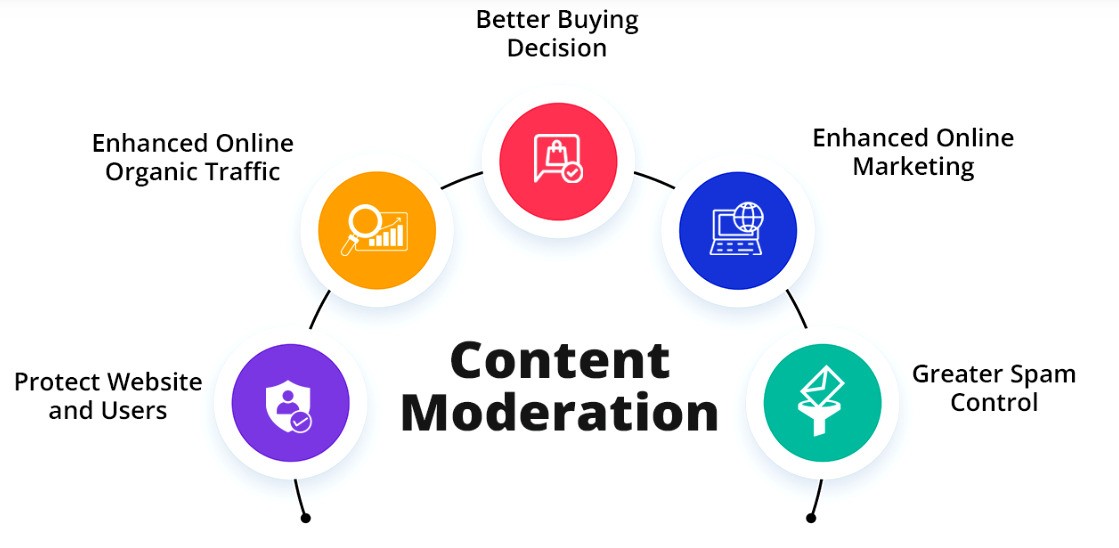
First, communities must distinguish critique from cruelty. Critical engagement with themes, representation, or narrative choices is intellectually valuable. Personal attacks, speculation about intent, and public humiliation are not. Establishing clear moderation guidelines—transparent, consistently applied, and community-informed—is essential.
Second, power dynamics must be acknowledged. Long-standing creators, moderators, or highly visible accounts wield influence. With influence comes responsibility. Silence in the face of bullying is not neutrality; it is tacit endorsement.
Third, restorative approaches should be prioritized over punitive spectacle. Public shaming often entrenches defensiveness rather than fostering learning. Private mediation, contextual discussion, and opportunities for growth align more closely with the original values of femslash culture.
Platform Design and Structural Safeguards
While community ethics matter, platform architecture also plays a decisive role. Tools for blocking, muting, content warnings, and anonymous reporting can mitigate harm when used effectively. However, overreliance on automated systems risks flattening nuance.
Advocacy for better platform governance is therefore part of maintaining safe spaces. This includes demanding clearer anti-harassment policies, human moderation for complex cases, and transparency in enforcement. Femslash communities, collectively, possess the cultural capital to influence these conversations.
Re-centering Creativity and Care
At its core, femslash is an imaginative practice. It thrives on emotional resonance, speculative empathy, and narrative generosity. Cyberbullying corrodes these foundations by replacing curiosity with surveillance and creativity with fear.
Re-centering care does not mean abandoning standards or critical thought. It means remembering why these spaces exist. Femslash was born from longing—for representation, for connection, for stories that acknowledged women as complex subjects rather than narrative accessories.
To keep the space safe is to honor that origin.
Expectations for the Future
The future of femslash culture depends on intentional stewardship. As fandom continues to globalize and diversify, differences in cultural context, language, and political framework will increase. This diversity is a strength, but only if accompanied by humility and patience.
Education around digital citizenship, trauma-informed moderation, and intersectional awareness can help communities evolve without losing coherence. Most importantly, creators and readers alike must resist the temptation to conflate moral righteousness with infallibility.
Safe spaces are not perfect spaces. They are spaces where harm is addressed without spectacle, disagreement is navigated without dehumanization, and creativity is protected as a collective good.
Conclusion
Femslash culture represents one of the most innovative and emotionally rich dimensions of modern fandom. Its vulnerability to cyberbullying is not evidence of failure, but of significance. Where people care deeply, the stakes feel higher.
Keeping femslash spaces safe requires a shift in perspective and piquing curiosity—not only about stories, but about one another. When empathy guides engagement and accountability replaces outrage, these communities can remain what they were always meant to be: spaces of imagination, resistance, and shared humanity.