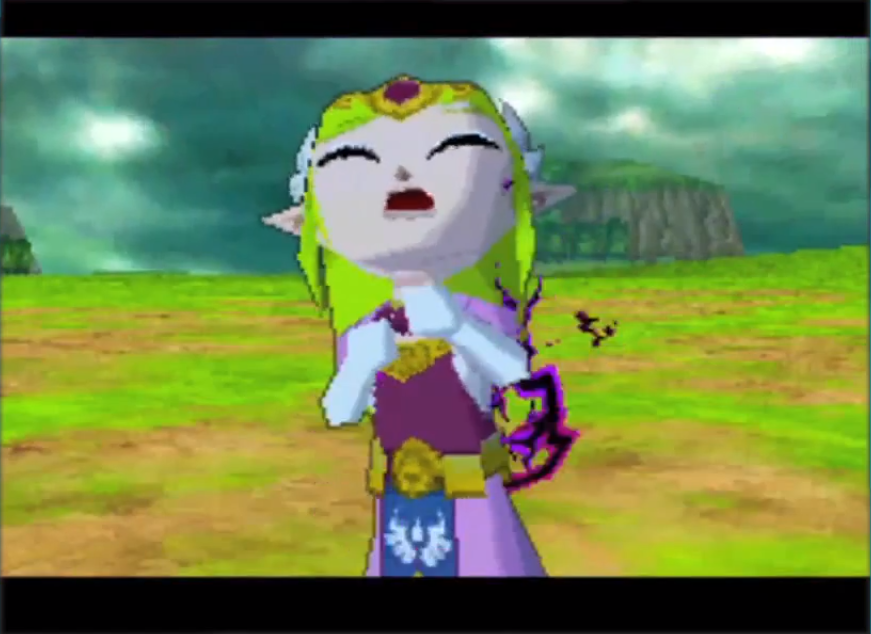
In the labyrinthine corridors of gender representation, few tropes have carved as lasting an impression as the damsel in distress. Once a construct of fairy storytelling and theatrical melodrama, this archetype has transmigrated with alarming resilience into contemporary digital worlds—from mainstream gaming to the emergent AI-driven narrative experiences. Yet what occurs when these same platforms, now harnessing artificial intelligence, perpetuate its legacy? The interplay of feminism and AI becomes a fraught terrain, where algorithms, often unwittingly, reify the very trope feminism has long sought to dismantle. What does it reveal about our technologies, and by extension, our cultural unconscious—and how might we begin to disrupt this cycle?
Decoding the Damsel in Distress: A Trope with Persistent Longevity
The damsel in distress represents more than a literal depiction; it embodies a patriarchal narrative structure where women are cast as passive vessels awaiting rescue. From the Victorian-era ballad to modern blockbusters, her function remains tethered to a paradox: her very helplessness justifies heroism. AI systems, when designed with these embedded biases, unwittingly transform this narrative into an algorithmic default. Consider the generative visual and textual models of today that continue to default to a hyper-feminized ideal for “innocent femininity,” while the male counterpart is positioned as active, authoritative, and resolute.
Where Narratives Collide: AI as Storyteller and Systematizer
Interactive fiction and emergent AI-driven writing platforms often rely on pre-existing cultural scripts to generate content. These platforms, from story-creation tools to virtual game designers, frequently default to damsel tropes unless explicitly counterbalanced with conscious architectural choices. Even narrative AI that aspires to “neutrality” falls victim to this, as the vast ocean of data it trains upon—most of which originates from a male-authored, male-dominated narrative realm—leaves its biases indelible.
The Algorithm’s Unconscious Gender Lens
AI training involves parsing monumental volumes of text, visuals, and social context. Here lies the paradox: these models encode not merely the externalized stories of society but its deeper cognitive structures. The trope of passivity, though perpetuated in countless forms of media, reinforces itself through cycles of reinforcement. When users query AI systems for story prompts, prompts inevitably favored are those rooted in damsel dynamics—from “captivating princesses” to “damsels who must be saved from the villain who, conveniently, is a monstrous other.” The AI, devoid of agency beyond its coded parameters, mirrors these inclinations without question.
Interactivity and the “Active Agency” Fallacy
A critical misconception emerges in the assumption that gamified or interactive AI platforms circumvent these biases by placing the user in control. When a virtual assistant or companion character in gaming consistently defaults to the damsel role, “agency” becomes an externalized act of salvation. The player’s “active” engagement often means simply choosing among variations of the same narrative—still hinged on the rescuing of a passive entity. The mythos of agency, so revered in digital spaces, remains an illusion when the very structures of the universe they navigate uphold patriarchal norms.
Beyond Gaming: The Damsel in Distress in AI-Assisted Design & Content Creation
AI tools for graphic design and character creation—from digital avatars to virtual humans—reinforce damsel clichés through auto-generated suggestions. A model might default to a “noble princess” template for female figures in fantasy genres, her appearance and backstory sculpted by the algorithm to meet trope-driven expectations. Even software designed for gender-inclusive inclusivity can falter when it lacks robust counterbalancing datasets—resulting in a skewed default towards feminine fragility and its counterpart, the man of unquestioned fortitude.
The Ethical Dilemma: Designing Out Bias Without Erasing Femininity
To disrupt the damsel trope isn’t to dismiss femininity but to dismantle its conflation with passivity. This requires diversifying input datasets with narratives that challenge the damsel dynamic entirely—whether showcasing women as authors of their own destinies, as antagonists, or merely as complex figures with agency in their own narratives. Ethical AI design mandates rigorous deconstruction of existing biases, accompanied by a concerted effort to cultivate alternative storytelling paradigms. The role of the AI designer becomes critical: they are no longer merely coders but architects of discourse.
Resistance Movements: Advocacy, Art, and Alternative Narratives
Within gaming, AI-generated content, and beyond, nascent resistance movements seek to repurpose technology itself as a tool for decolonization. Artists and content creators leverage AI’s capabilities to reimagine protagonists, creating characters who defy damsel stereotypes through their design, dialogue, or actions. AI-driven community initiatives also emerge, where collaborative storytelling—guided by feminist frameworks—encourages crowdsourced narratives that actively counter these tropes. These initiatives bridge the gaps where algorithms alone fail, proving technology need not be an instrument of oppression.
The Need for Feminist Technologists
There exists a critical shortage of women and feminist voices in AI and platform design. When the majority of those crafting these systems are male, their subconsciously held values infiltrate the architecture—and so too does the damsel bias. Bridging this gap by intentionally amplifying feminist perspectives within the tech industry could catalyze paradigm shifts. The call for “feminist technologists” isn’t an insistence on gender quotas but a vital push toward a broader, more equitable input in shaping tomorrow’s narratives.Conclusion: Toward a World Unshackled from Damsel Dynamics
The persistence of the damsel in distress trope, even within the sophisticated layers of AI, offers a critical lens to view humanity’s relationship with technology. AI systems are not neutral: they reflect the stories we’ve told, the biases we’ve codified, and the cultural scripts we’ve so stubbornly clung to. Dissolving this archetype from our digital ecosystem does not require merely scrubbing existing biases from models—it demands intentionality, creativity, and a commitment to narratives where women and nonbinary figures aren’t merely figures to be rescued but architects of their destinies. For in this lies not only the emancipation of storytelling but the potential for a future where technology itself becomes a handmaid of equity, not its arbiter.