In the hallowed halls of LinkedIn, where ambition is measured in endorsements and success is quantified by engagement metrics, a curious phenomenon has taken root: the performative display of vulnerability as a form of social capital. It’s not just about sharing struggles—it’s about curating them into marketable narratives, turning personal fissures into professional currency. This isn’t vulnerability in its raw, unfiltered form; it’s a carefully staged spectacle, a choreographed dance of emotional exposure designed to elicit sympathy, admiration, and, ultimately, algorithmic favor. But why does this resonate so deeply in a space ostensibly dedicated to corporate prowess and unyielding competence?
The Illusion of Authenticity in a Quantified World
LinkedIn is a paradox—a platform where authenticity is both demanded and commodified. The pressure to appear relatable while maintaining an aura of invincibility creates a tension that many resolve by weaponizing vulnerability. It’s not enough to succeed; one must also suffer publicly, as if the scars of past defeats are badges of honor. This performative fragility serves a dual purpose: it humanizes the professional facade while simultaneously reinforcing the myth that resilience is born from adversity rather than systemic support. The more one exposes, the more one is seen—not as flawed, but as courageous. The irony? The courage is often performative, a calculated risk to gain social leverage rather than a genuine act of self-liberation.
The fascination with this trend isn’t accidental. In a world where LinkedIn profiles are meticulously polished to resemble LinkedIn *curricula vitae*—flawless, linear, and devoid of the messy detours that define real lives—the admission of vulnerability becomes a rebellion. But it’s a rebellion with rules. The vulnerability must be strategic, its edges smoothed by the promise of future success. It’s not about breaking down; it’s about strategically dismantling one’s own pedestal to be rebuilt, taller and shinier, in the eyes of an audience hungry for redemption arcs. The performance thrives because it offers the illusion of depth in a space that otherwise reduces people to bullet points.
Vulnerability as a Neoliberal Virtue
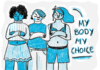
Feminist theorists have long critiqued the way neoliberalism co-opts feminist ideals, repackaging them as individualistic triumphs rather than collective struggles. The LinkedIn brand of vulnerability is no exception. It’s not about dismantling oppressive structures; it’s about personal branding through emotional labor. The woman who posts about her burnout isn’t calling for systemic change—she’s signaling her resilience, her ability to endure, her marketability as an employee who can handle anything. The message is clear: vulnerability is a skill, a tool to be honed and deployed for professional gain.
This reframing of vulnerability as a marketable trait is particularly insidious because it masquerades as empowerment. The woman who shares her story of overcoming workplace sexism isn’t just seeking solidarity; she’s positioning herself as a survivor whose narrative can be monetized. The algorithm rewards her for it, amplifying her reach because her story fits the platform’s narrative of individual triumph over adversity. The deeper message? That systemic change is unnecessary—what’s needed is more women willing to perform their struggles for public consumption.
The performative nature of this vulnerability also erases the structural barriers that make such admissions necessary in the first place. When a woman shares her story of being passed over for promotion, the focus shifts from the patriarchal corporate culture to her personal resilience. The system isn’t questioned; the woman is. Her vulnerability becomes proof of her strength, not an indictment of the system that forced her to be strong in the first place. It’s a masterclass in co-optation, where feminism’s critique of power is diluted into a personal growth narrative.
The Algorithmic Gaze: Who Sees and Who Is Seen
LinkedIn’s algorithm is a ruthless curator of visibility, and vulnerability is its favorite currency. Posts that blend emotional rawness with professional ambition are catnip for engagement. The more a user exposes, the more the algorithm pushes their content, creating a feedback loop where vulnerability begets visibility, which begets more vulnerability. But this visibility is not democratic. It favors those who already occupy positions of relative privilege—the woman who can afford to be vulnerable without fear of retaliation, the one whose struggles are framed as relatable rather than threatening.
For marginalized women, the calculus is different. Sharing vulnerability can be a risk—one that invites scrutiny, dismissal, or worse, retaliation. The woman of color who posts about workplace discrimination risks being labeled “difficult.” The disabled woman who discusses her challenges may be seen as “unfit” for leadership. The algorithm, far from being neutral, reinforces these biases, ensuring that only certain narratives of vulnerability are amplified. The result? A sanitized version of feminism, one where vulnerability is a performance reserved for those who can afford to play the game.
This selective visibility creates a hierarchy of suffering, where some women’s pain is deemed worthy of attention while others are silenced. The LinkedIn stage becomes a theater of the privileged, where vulnerability is a performance art for those who can afford the luxury of being seen. The deeper question is who gets to decide what vulnerability looks like—and whose version of it is deemed worthy of applause.
The Commodification of Empathy
Empathy, once a human connection, has been reduced to a transactional resource on LinkedIn. When a woman shares her vulnerability, she is not just seeking support—she is offering a product. The likes, comments, and shares are not just expressions of solidarity; they are payments in a currency of social capital. The more her vulnerability resonates, the more she is rewarded with visibility, opportunities, and professional clout. The system turns empathy into a resource to be extracted, a commodity to be traded for professional advancement.
This commodification has a chilling effect on genuine connection. Vulnerability is no longer about mutual recognition or collective healing; it’s about individual gain. The woman who shares her story isn’t just opening up—she’s performing for an audience, crafting a narrative that will resonate with the algorithm and, by extension, the professional world. The result is a hollowed-out version of empathy, one where connection is measured in engagement metrics rather than genuine understanding.
The irony is that this transactional empathy often leaves the vulnerable woman more isolated than before. The likes and comments are fleeting, the support conditional on her continued performance. Once the algorithm moves on, so does the empathy. The woman is left with the same systemic barriers, the same lack of structural support, but now she has a LinkedIn profile that proves she’s “resilient.” The performance has succeeded in making her visible—but not in making her safe.
The Way Forward: Reclaiming Vulnerability
To reclaim vulnerability from the clutches of neoliberal performance, we must first recognize it for what it is: a tool of both oppression and liberation. Vulnerability is not a badge of honor to be worn in the pursuit of professional gain; it is a human experience to be shared in spaces of trust and mutual aid. The LinkedIn stage is not the place for it—not when the platform’s incentives reward performative fragility over systemic change.
What would it look like to resist this co-optation? It might mean sharing vulnerability in spaces where it cannot be monetized—private conversations, grassroots communities, or even alternative platforms designed for genuine connection. It might mean calling out the performative displays of vulnerability that masquerade as feminism, demanding instead a politics of care that centers collective liberation over individual advancement. It might mean rejecting the idea that resilience is born from suffering, and instead demanding the structures that make resilience unnecessary in the first place.
The performance of vulnerability on LinkedIn is a symptom of a larger disease—a world where even our most intimate struggles are commodified, where feminism is reduced to a brand, and where connection is measured in likes. But it doesn’t have to be this way. The first step is to see the performance for what it is: not a rebellion, but a capitulation to the very systems that seek to silence us. The second step is to refuse to play by those rules.