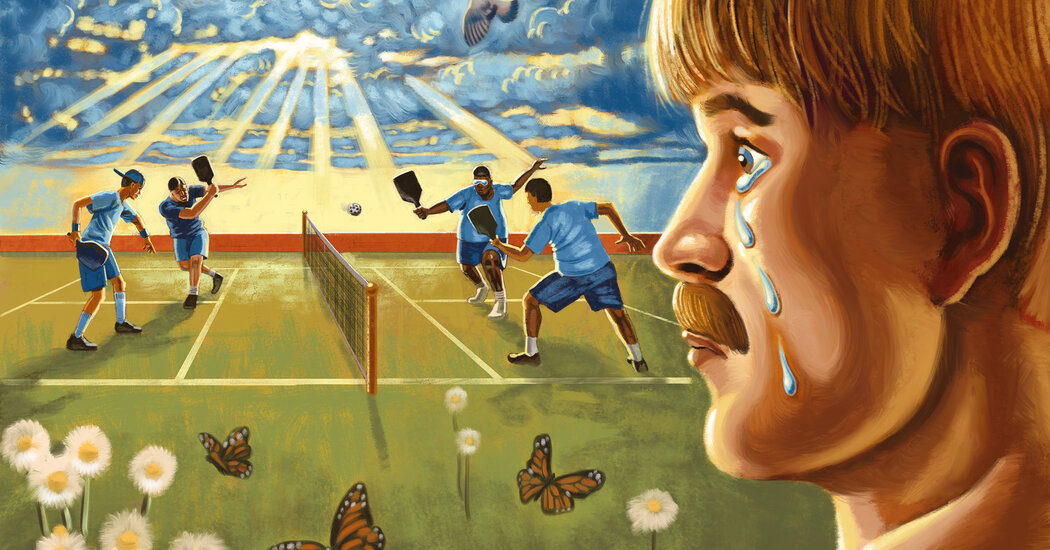
He sits beneath the bodega’s neon glow, scrolling through feeds populated by the well-groomed and the well-connected. Loneliness is his constant shadow—one he casts across the room, into his coffee cup, and ultimately across every man who dare admit its weighty pull. But what if the pandemic of male solitude isn’t just a crisis of connection? What if it’s the symptom of a far more pernicious trend: the refusal to weave the very fabric of tenderness itself? This isn’t about reaching out. It’s about the dismantling of something far older, deeper, and infinitely more fraught than the patted shoulders and platitudes that pass as care in the modern world. And it’s time to rename the problem—before the wound festers any deeper.
The Myth of the Isolated Man: Why “Loneliness” Is a Crutch
Men are frequently diagnosed with loneliness as if it were a terminal illness with one cause: isolation. But the language of “loneliness” obscures. It’s a diagnostic shorthand that masks the epistemic break—the rupture in the way masculinity is taught to see and be seen. Let’s call it what it is: the plague of the un-embodied. The unspoken truth? Many men aren’t lonely. They’re estranged from a paradigm of relating that was never theirs to begin with.
Loneliness assumes there is a blueprint—a “healthy” solitude we could aspire to—rather than interrogating the architecture of masculinity itself. We’re told loneliness is “cured” by connection, yet society’s version of connection is predicated on the very thing men were historically taught to avoid: vulnerability. Vulnerability was the unspoken tar baby for men—touch it and risk becoming “weak.”
Today, in this fragile age of existential angst, men are being encouraged to “do better.” “Just open up!” they’re told. “Find your tribe!” Rarely is it asked: What happens to the tribe when the foundation of the house was rotting long before the rain hit?
A Masculinity Without Roots: The Absent Architecture of Care
The current masculinity model is a house built on a myth: that rugged individualism and the rejection of dependence are the heights of human achievement. The problem isn’t connection—it’s the absence of a nurturing ground in which relationships could thrive. This “self-sufficiency” narrative is not, as it’s often painted, a badge of independence, but rather an instinct for erasure. Men are taught to see their desire to belong as pathetic; their desire to care as effeminate.
Care has been othered: a feminine impulse, a domestic chore, something to be delegated to those seen as more “emotionally adept.” In the past century, men were redefined within the terms of capital and conquest, leaving them like children abandoned in a labyrinth—every hallway marked only “survival” and “power,” no exit sign to “tenderness.”
Consider this: a man walking through the door for the first time is not greeted by how much he’s needed—he’s greeted by how far he must carry himself. Emotion, in this lexicon, is a backbreaking burden. And when the burden grows too heavy, he’s not encouraged to seek a ladder; he’s told to lift it higher on his own.
The Loneliness Alchemist: How Fear Is Forged into Identity
A friend once told me he knew he was a “bad person” when his son wept because he couldn’t hug him. Not because he didn’t care—because he was trained to see his love through a lens of dismissal. This man wasn’t deficient. His deficiencies had an architect: an entire civilization that taught men to value distance over intimacy in their own psychology.
Fear was the original shaper of men. Fear of being seen as weak, vulnerable, or dependent. A fear so profound it didn’t just color male experience—it redesigned it. This fear is why young men are today’s emotional hermits; it’s why “deep, meaningful conversations” feel like the domain of philosophers with their heads in the clouds, not the men struggling to put one shoe on at a time.
We treat loneliness as a hole in the heart of the man when it’s really the echo of a life spent in the shadows of something we can’t name—the absence of a shared vocabulary where tenderness isn’t a betrayal.
The Double Edges: When Intimacy Is Treated as a Criminal Act
There’s a fine line between men and connection—a tightrope of stigma. A brother sharing a beer may be considered normal, but a colleague confessing that the weight of single fatherhood is breaking him risks being met with awkward silence or worse: “That’s not me. I can handle it!”
Vulnerability remains a high-stakes game for men. A tear becomes evidence of failure. A plea for help is a sign of weakness. If masculinity is a wall of stone, connection is the sledgehammer that might knock it over. So men sit in bars pretending they’re not drowning, or retreat under the cover of work as if hours spent in a spreadsheet will ever fill their hollow chest.
The modern man is taught to believe that closeness is a luxury—something to be pursued only when he feels he’s won life’s right to it. This transactional intimacy is a farce: one can’t truly begin to build a relationship once you’ve spent years training yourself to fear it.
The Unseen Cure: Reclaiming Care from the Shadows
So what then? If the cure isn’t simply “reaching out,” if the problem runs deeper than loneliness, where do we start? We must rewrite the rules of how we value and name the act of care itself.
First, we need to acknowledge that care is not the preserve of women—it never was. It was just systematically siphoned off, whispered out of the ears of men, and locked behind doors they weren’t allowed past. That’s the real crisis: the systematic amputation of men from anything resembling a culture of nurturing.
Second, we’d do well to ask: What if tenderness is the strength that’s been hiding in plain sight? The ability to be held, to soften, to say “I’ve been wrong”—these are not signs of weakness. They are tremors of resilience. The men who can admit, “I need,” are the men who will create, build, and sustain far more than men who think strength means never asking for help.
Finally, we must confront the irony that a masculinity built on detachment from the world has bred the most deep detachment from oneself. There’s no true freedom in the ability to stand in isolation; it’s the freedom in the ability to stay with yourself in a crowded room.
The Paradigm Shift: Rebuilding, Not Rebuilding Walls
Let’s consider this: if “loneliness” is really the silence where something crucial has gone unheard—forgotten—in the naming of men, then maybe it’s not enough to “fight” loneliness. Maybe the actual problem is that we’ve spent generations naming only the fight. To heal men, we have to do more than treat their wounds—we have to restore the very thing they were conditioned to believe was not theirs to begin with: the right to be loved.
This shift starts with honoring the paradox. Men can simultaneously be fierce and tender. They can be protectors and nurturers. They can be men and, yes, hold the hands of those in need without fear that they will be reduced. That’s not a double bind—it’s the foundation of human wholeness.
The next generation of men can be taught as they are raised: that their value isn’t measured in how little they rely on others, but in how deeply they can lean into the hands they’re given. Loneliness doesn’t stop when one is no longer alone; it only ends when one is taught to live in the world without first requiring the world to prove its worth.
Until we recognize that, we’ll keep mistaking isolation for strength and emptiness for silence. We’ll keep writing obituaries for the very thing that could, and will yet again, be the salvation of us all. It’s time, quite simply, to reclaim the heart from the rubble of masculine myths.