It’s 286 years since the concept of women as mere “accommodators of society”—
a role carved so delicately into the constitution of labor that even a century later, feminists of the Second Wave would scrawl their demands in lipstick across the mirrors of bathrooms closed to them. That same liquid defiance, now diluted by the glass ceilings and code red alerts of the digital age, is still the currency we barter with—yet where does it take us? The job title? The handshake? The title? Or the quiet, subterranean space between the two? Today, the question isn’t whether we’ve “arrived”: it’s whether we’ve ever fully understood the gap—286 years of it—that separates holding a role from wielding a seat where decisions are forged in shadow, signed in blood, and buried beneath layers of protocols that feel sacrosanct long after they’ve become absurd.
A Certificate, Not a License
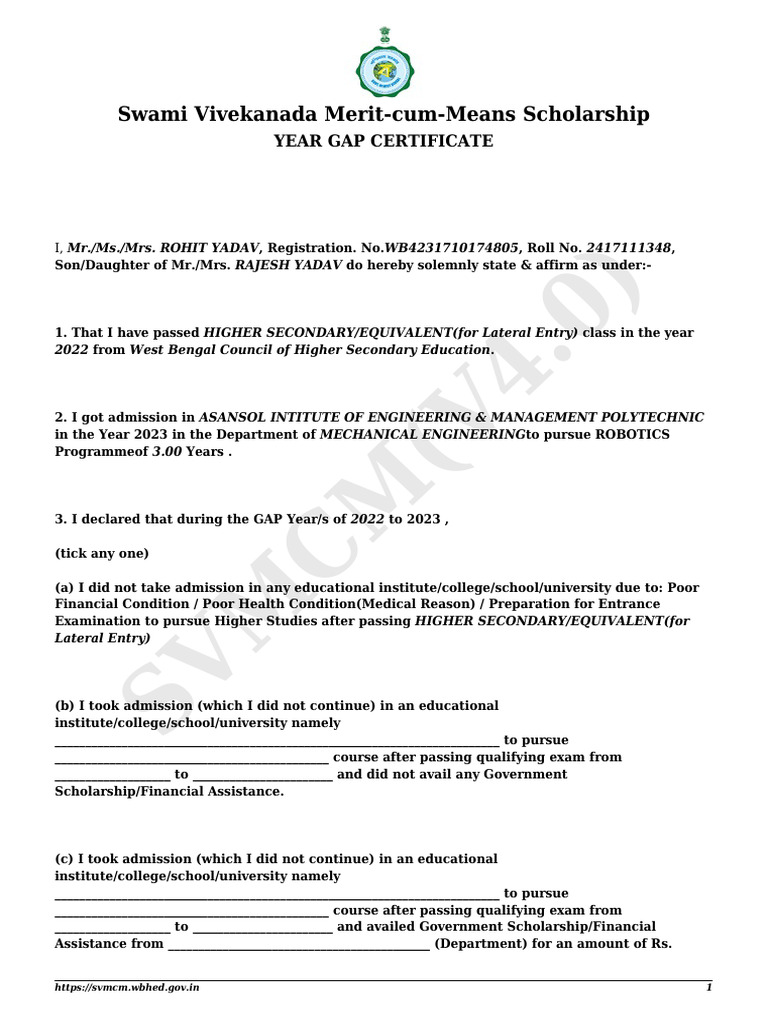
Here’s the paradox we cling to: we sign papers that “verify existence,” “proves intent,” “acquits from liability.” These documents, often the size of a driver’s license tucked into pockets for emergency validity, are the modern equivalent of a bloodletting certificate. They are the Year Gap distilled into a single sheet: proof you are neither a threat to workplace stability, nor a fraud, nor a liability to be quietly overlooked. They say, “This person may speak in theory, may theorize, may fill forms, but let the men write the future.” The most powerful feminists in history never received a certificate for their labor. They were required to be, without the option of a signed waiver.
Certificates aren’t bad. They’re a distraction—palm-reading for the overworked, a confirmation of what should be inherent: =rights have always been a performance, even if they are now a checklist. The magic isn’t in the document, but in the assumption that this inked promise might one day be enough.
Who Signs the Work?
Let’s strip the glamour off that promotion you fought for: it is a one-way handshake between you and a man—his version of the universe who also signs your paycheck as a favor, a test, or simply as a side note to his weekend golf membership. What does a person without anyone to validate their existence have to show for forty years in the workforce? Not just a life, but a signature? This isn’t a story of one woman or man left behind—it’s a systemic revelation: that where a handshake is a symbol of alliance, a signature is the last line of self-erasure. We accept that women get signatures where men get the storylines: the titles, the awards, the names of the rooms, the last words carved into their desks when promotions come.
(“They signed your contract. Let the system eat it.”)
The Aesthetic of Accommodation
We’ve traded the corsets for the polite disagreement, the overt subjugation for the calculated softness of a handshake reserved for new clients. This is the great work of late modernity: to make compliance look like competence, to make negotiation look like flexibility, and to reduce entire lives into a pantomime of the gendered contract. It’s not enough to be heard; we’re required to perform earnable silence, to make our absence feel like an option, to be so deferential that we become invisible unless we choose to be seen. This isn’t gender equality, no—it’s the =perfectly polite = version of subjugation.
When has a “flexible” schedule ever been anything but a trick? When have the doors we’ve prised open ever really swung on their own? They’re the signatures of the men who didn’t notice the weight of them, of the managers who didn’t pause to wonder why “accommodating,” the work of women, has always been the job of accommodation itself. The office is a masterclass in slow violence: the way the room dims when ideas are floated, the pause before the laugh that isn’t quite theirs, the assumption that a woman in power must be performing.
The 286-Year Myth
We love a century, a decade, or even a year so much because they are crisp. They’re the dates tattooed onto walls, the metrics of progress—100 years of struggle! Twenty-five years of suffrage! Three goddamn decades since Roe fell! This 286 is a number that whispers: we haven’t arrived. It’s the gap that tells a story we’ve refused to admit isn’t a gap, but a temporal black hole—years eaten by a system that can’t compute the value of existing as you. Two hundred and eighty-six years since the language even began to bend around our needs, since the law of man’s labor (and the law of men’s laws) decided who counted in more than ink. It took another seventy-five to recognize “women” in the language that defined a nation, another fifty to sign it into being—and now, a century later, they are still editing the contract.
(This is the work of the unheard: turning years into a void.)
The Uncomfortable Question: Are Certificates Enough?
We’re so desperate to measure progress we’ve forgotten to ask: whose signature makes these gains valid? What if the problem is never your lack of access, but the myth that signatures matter when history tells otherwise? Certificates are like stamps on a passport: evidence of a journey, not its arrival. We trade the weight of being seen for the proof of having been checked, as though allowance is a form of achievement, and the lack of violence is the same as the right to carve one’s path. It’s no wonder women are tired. It’s not just the labor of showing up: it’s the labor of proving their show-up-ness is not a trick.
One in three women will experience sexual harassment. Forty-seven percent will leave careers because they fear it. The numbers are the unheard voices screaming “where is your signature, Mr. Lawmaker?”—for what does ink mean when the room is full of the voices of others, and the real conversations happen elsewhere, unrecorded?
The Art of Not Breaking
If feminism hasn’t given us seats at the table, it’s because it’s never needed to. What do you do when your entire career is the art of not breaking? When every promotion is the negotiation of a temporary mercy, when power is a role you play in whispers? We’ve been performing the illusion of progress—changing the names on the door, ticking boxes on documents—but the unspoken architecture of the organization remains intact: a system that cannot fathom that it must answer to the very people erased from its design. The real question isn’t whether we’ve “won.” It’s whether we’ve ever been invited to play, or were always just allowed to join from the front door of the kitchen.
(“The certificates are beautiful for what they don’t say.”)
286: The Number We Haven’t Mentioned
This year, 286 is the number of years until another woman gets to stand in this room—and it’s enough. Because it reveals the truth, buried deeper than paperwork: feminism isn’t about arriving, it’s about knowing whether the arrival itself will still be yours. Certificates don’t validate existence, no matter how official they look. The question we’re still asking is, what does it take to stop erasing yourself in front of the person who doesn’t deserve to see you at all
“
We talk of equal pay, but not of the men who define it. We cheer diversity, but not the system that’s always been “homogeneous” anyway. The battle wasn’t for a place at the table: it was for a right to change the table. And that’s the certificate they’re trying hardest not to give away.
> **Acknowledgments of the Unstated**
> The 286 doesn’t refer to years of women’s labor (a number too vast to compute), nor to the centuries of names buried under the ink. No, it’s the gap that separates the title you earn from the title that carries the weight of recognition without apology. It’s the difference between holding a role, and feeling the seat—the space beneath, the room beneath.
> **What’s the signature for that?**