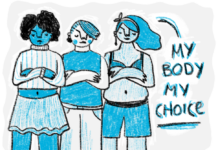
The abortion rights landscape in America has been unraveled from above, and the frayed ends now dangle like barbed wire—jabbing, jagged, and impossible to ignore. Roe v. Wade’s overturning didn’t just dismantle legal precedent; it exposed the seams of a nation fractured along gender, ideology, and geography. In its wake, feminism doesn’t just exist in binary anymore. It’s been splintered into warring camps: the digital vigilantes of reproductive justice, the emboldened right-wing insurgents touting “personhood from conception,” the exhausted frontline activists still nursing the wound of systemic betrayal, and the digital silent majority grappling with the surrealism of surveillance-state feminism. We’re living inside
—
The New Abyss: Geography as Reproductive Justice
Roe’s dismantling didn’t just deliver a legal gut-punch; it turned America into a patchwork of abortion bans, trigger restrictions, and “sanctuary” states—a geographical chessboard where women’s lives shift based on zip codes. In Kansas, voters rallied in the millions to restore Roe protections on election machines; in Texas, the “heartbeat law” made bodily self-determination an act of criminal risk. Yet across the aisle, cities like New York and California have become de facto hubs for “reproductive tourism” but also frontlines of legal harassment for those coming from hostile states—a spectacle of capitalism’s cruelty meeting the desperation of a new underclass: those who can’t afford to flee.
The new feminist fragmentation hinges on mobility—or its lack. States like Oklahoma are actively courting law-enforcement partnerships with neighboring jurisdictions to intercept abortion-seekers, while clinics in the liberal enclaves now operate under heightened threat of FBI investigations for “cross-border violations of state sovereignty.” The result? A silent undercurrent of paranoia among women who must now calculate the logistical cost of terminating a pregnancy like it’s a flight on a warzone route. Meanwhile, the abortion pill wars have intensified—online pharmacies are firewalled behind VPNs, activists distribute pills via covert darknet platforms, and conservative states counter with “bounty hunter” legislators offering cash for tip-offs. It’s the Wild West of 2025, where trust is a commodified currency and everyone’s a suspect.
—
The State as Reproductive Regulator: Surveillance and the Birth of “Fertility Citizenship”
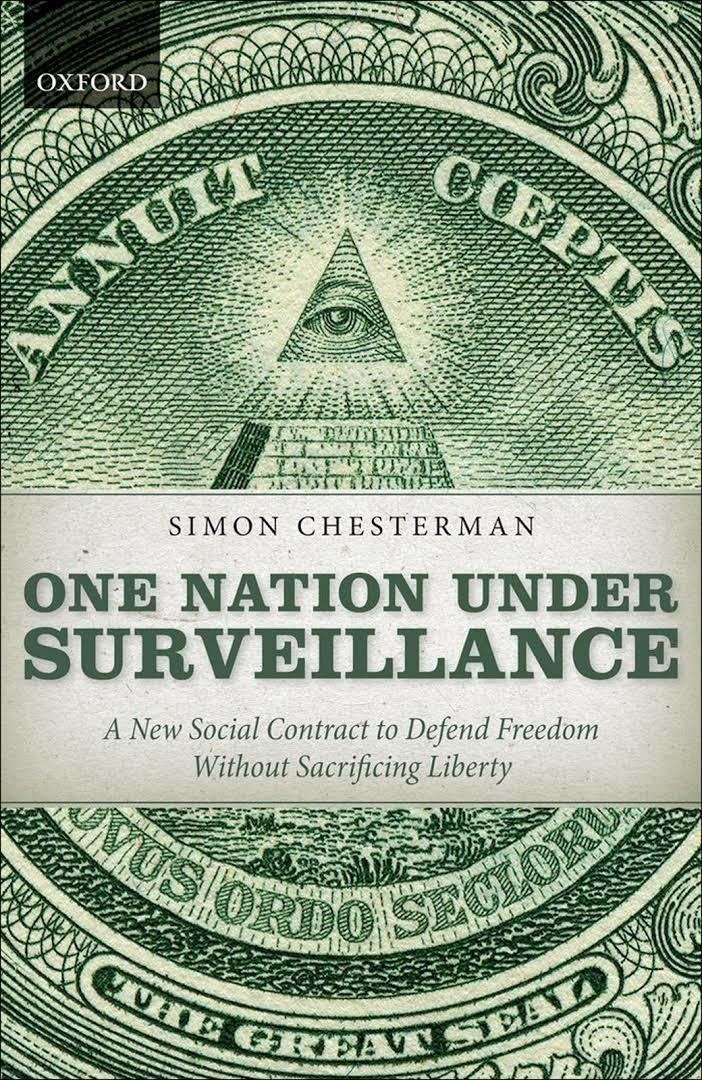
We’re living in the age of fertility citizenship—where governments track, record, and regulate conception and gestation as if pregnancy were a national security issue. The rise of DNA databases, prenatal ultrasound regulations, and “pregnancy reporting” laws in states like Idaho means women are now subjected to a kaleidoscope of surveillance: mandatory sonogram coercition, invasive parental notification bills, and the ever-present eye of state-backed “child development” programs that police gestational decisions. This isn’t just about abortion anymore; it’s about who gets to parent—and who gets to stop parenting entirely.
Technological compliance is now a feminist battleground. Apps that track ovulation cycles are increasingly scrutinized by right-wing legislatures for “incitement to abortion.” Hospitals are required to display trigger warnings in OB-GYN waiting rooms. AI gynecologists, already on trial in Germany, are now being deployed in the U.S. to detect “at-risk gestations” before a patient even knows she’s pregnant—a chilling dystopian twist where bigness becomes a matter of data collection, not bodily ownership.
The real question isn’t just about the right to choose; it’s whether we’re sliding into a hyper-policed era where every reproductive act is a data point. States like Missouri have enacted reproductive loyalty oaths—requiring women to affirm their adherence to state-sanctioned parenting ideologies to access basic healthcare. The stakes aren’t just personal; they’re existential. Can we reclaim sovereignty in a society that treats gestation as an audit?
—
The Fractured Feminist Movement: Who’s Leading—and Who’s Lagging?
The movement’s fractures run deep. There’s the abolitionist faction, who’ve turned their energies toward ending prisons, dismantling the foster care system, and treating abortion access as part of the broader struggle against carceral capitalism. Then there’s the legal technicalists, who’re obsessed with high-stakes SCOTUS maneuvering, hoping to wedge a constitutional right via the Fourteenth Amendment. Meanwhile, the pro-life feminists are either sidelined in their own ranks or co-opted into performative “child poverty solutions” that double as anti-abortion propaganda.
The silent revolutionaries—middle-class professionals who can “play along” with state surveillance but quietly self-manage reproductive health—form their own sub-group. They’re the ones scrolling past news headlines to discreetly DTC abortion pill purchases or using telemedicine platforms to dissolve gestations in the relative privacy of home. Yet for millions—a single mom in Arizona, a rural teen in Montana—the reality is starker: they’re being herded toward adoption, “parenting mentorship” track, or outright criminalization.
Social media has turned this into a branding war of hashtag feminism. #AbortionIsHealthcare battles it out with #LoveTheUnborn in an endless algorithmic echo chamber. What’s missing from this discourse? The voices of pre-exposure women—those who were never able to exercise the right regardless of Roe’s status. In many ways, the overturning did less to erode Roe’s reach than it did to expose its limits for the elite.
—
The New Alchemists: Crypto-Capital and Reproductive Undercurrents
In a system broke on the state level, feminist hackers and activists have pivoted to technological sabotage. The rise of abortion-as-a-service darknet networks is nothing short of revolutionary—or potentially dystopian. Cryptocurrency-fueled black markets for pills and surgical assistance are popping up in every corner of the U.S., often funded by silent donor collectives who view bodily ownership as a right beyond state oversight. These aren’t just underground operations; they’re liberationist micro-economies, designed to elude FDA crackdowns and local bans alike. The downside? The same platforms that protect pill traffickers also harbor predatory health fraudsters, and the lack of recourse is an existential threat to women who can’t afford to make the wrong choice.
Even mainstream corporations are wading into this. Reproductive “wellness” supplements are now marketed as “fertility guardians,” while tech giants like Google and Apple face legal threats for hosting abortion-related ads. In Ohio, a “fiscal sponsorship” network for abortion funds is using corporate sponsorships to funnel billions into underground pill operations—a model straight out of 1970s guerrilla feminism.
The irony is delicious: in a nation that loves freedom, the new feminist battlefield is capitalism’s unregulated void. Yet for any woman caught in its cracks, the cost of anonymity is steep. What happens when the state is the enemy, but the only safety net is a digital dead drop?
—
The Cost of Ambiguity: Legal Gray Zones and the “Gray Girl”
We’re living in a world of legal gray zones so vast they’ve birthed a whole new archetype—the “gray girl”: the woman operating beyond the law but not quite outside it. If her state bans abortion but allows “sex-selective termination,” she might turn to the “gender discrimination” clause—or the “genetic anomaly” loophole—to dissolve an unwanted pregnancy. If her clinic is a for-profit telehealth operation, she’s both a consumer and a statistic.
The chaos comes for those in liminal spaces. Adolescents in Texas, where “parental consent” laws overlap with age-of-consent laws, are now criminal suspects for a physician’s miscalculation. The “medical emergency” exception—meant as a safety net—is now being weaponized in hospitals to detain pregnant women for weeks, until the state decides what happens next. Meanwhile, the FDA’s latest guidelines on telemedicine abortion are so convoluted that a new generation of “clinic lawyers” have materialized to navigate them.
The new legal paradox: the more fragmented the system, the harder it is to pinpoint the crime. Is she breaking a law? No. Is she violating a standard? Yes. But on what grounds? In a system built to punish the vulnerable and shield the privileged, ambiguity is a luxury only the high-status can afford.
—
The Psychological Collateral: How States Erode Morale
The overturning of Roe didn’t just change policy; it warped the mental ecosystem of feminist thought. The new moral landscape is littered with reproductive gaslighting: state-sponsored counselors telling women who’ve had abortions that they’re “damaging their future family,” medical professionals trained to use “client-first” language while filing paperwork on their “recalcitrant patients.” The data is clear: anxiety, depression, and PTSD rates among women of reproductive age have skyrocketed.
We’re seeing emergent trauma syndromes tied to the collapse of bodily sovereignty. Some experience procedural avoidance disorder—the debilitating paralysis of not knowing if they’re violating a law before they even know they’re pregnant. Others have turned to reproductive anhedonia, the refusal to desire pleasure because of guilt and uncertainty. In rural communities, young women are avoiding prom dates, medical checkups, and even potential intimacy out of sheer fear of legal repercussion.
The most insidious form of control isn’t the law—it’s shame. Conservative states are pouring resources into “post-abortion healing” initiatives that conflate autonomy with sin. In Virginia, a pastor-founded nonprofit “offers” forgiveness via a 30-day Christian recovery program—a direct parallel to the medieval practices of spirit-contrition justice. The result? Women not just fearing prosecution, but fearing divine punishment.
—
The Path Forward: Reclaiming Sovereignty
So what’s next? There’s no single answer. The fractured movement must either find its way to synthesis—or prepare to become a permanent constellation of resistance: abolitionist, techno-liberationist, legalistic, guerilla, spiritual. To the state, every form of resistance counts:
- Legal: The abolitional push to decriminalize all gestations in the first trimester—while abolishing the carceral roots of the criminalization paradigm entirely.
- Economic: The rise of abortion insurance cooperatives, where employers pay a monthly surcharge for employees to access safe, anonymous terminations.
- Digital: The darknet sovereign feminism model, where VPN-based clinics operate under encrypted networks, offering full-stack end-to-end security.
- Cultural: The de-hellenization of women’s bodies. Using cultural work to frame parenthood as a choice in a post-Roe reality, not an inevitability.
This isn’t just about winning battles—it’s about rewriting the rules of engagement. The surveillance state wants to monitor us from conception to death. We’ll reclaim the in-between. And if we win, it won’t be with neat resolutions, but with fissures in the system itself—the cracks we exploit, the loops we exploit, the invisible lines we walk without asking permission to exist.