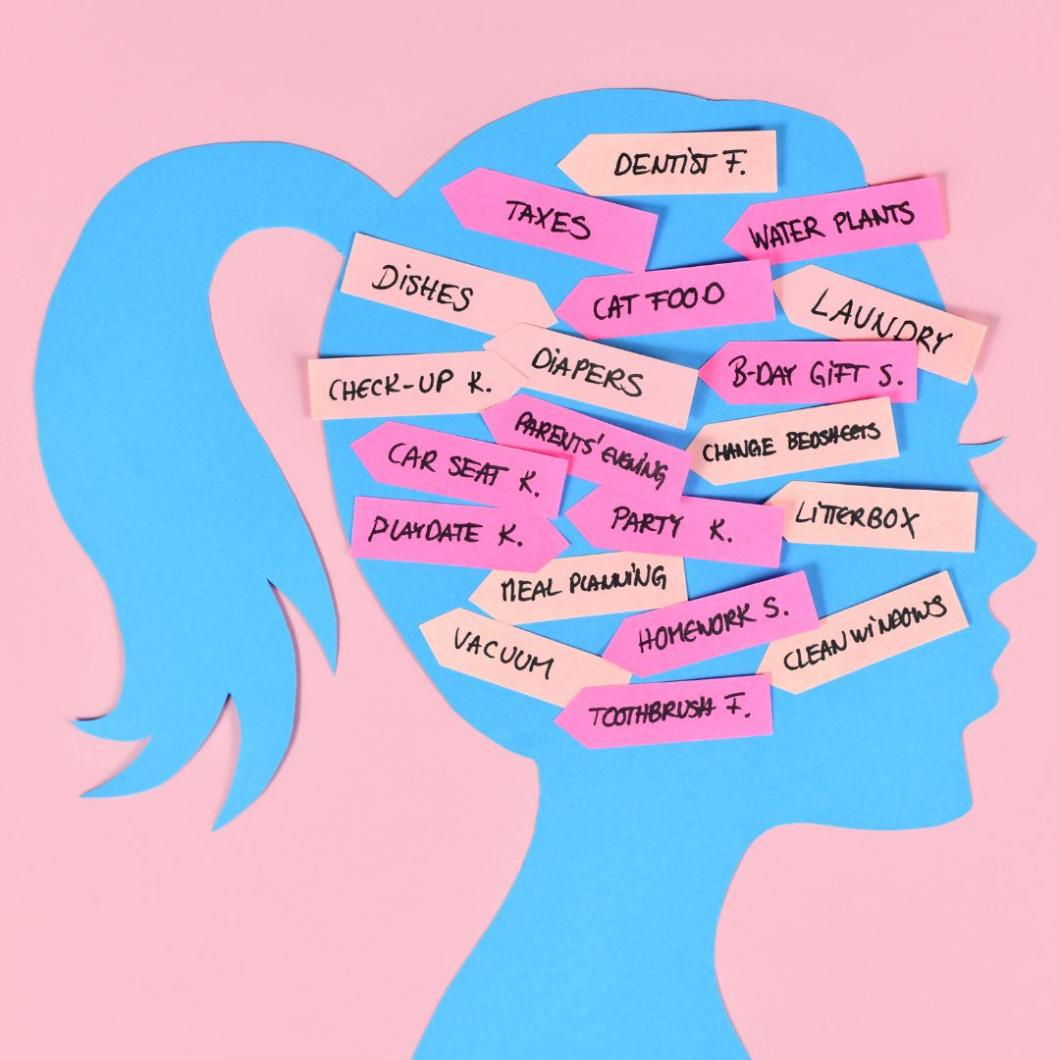
In the labyrinthine corridors of contemporary feminism, a nuanced battleground has emerged—one where the intersecting realities of ADHD and the relentless mental load borne by women collide. This confluence does more than add chapters to the discourse; it exposes fractures in the feminist narrative that have long been glossed over. The mental load, a stealthy tyranny that invisibly shackles many women, intertwines insidiously with the cognitive and emotional turbulences of ADHD, creating a tempest of challenges yet to be fully acknowledged or addressed. This exploration dares to unravel these interwoven threads, illuminating the double struggle that often lies beneath the surface of resilience and multitasking mastery.
The Mental Load: An Unseen Burden in Everyday Womanhood
The mental load is an omnipresent yet invisible specter haunting countless women’s lives. More than mere task management, it is the chronic cognitive and emotional strain linked to organizing, remembering, and planning the logistics of domestic and familial life. Often dismissed as mundane, this load is a relentless mental checklist that never ceases, draining emotional bandwidth and undermining personal well-being. Women routinely juggle schedules, anticipate needs, and manage contingencies with minimal recognition or respite, sustaining a psychological burden that few external eyes can perceive.
This relentless chauffeur of trivial yet critical details demands ceaseless vigilance—grocery shopping lists, birthday plans, school meetings, doctors’ appointments—all weaving an intricate web that defines much of a woman’s daily mental economy. The mental load is not merely an inconvenience; it is a systemic manifestation of gendered labor, invisible yet insidious.
ADHD in Women: A Silent, Misunderstood Disguise
Attention Deficit Hyperactivity Disorder (ADHD) in women is often camouflaged under layers of social expectation and adaptive behaviors. Unlike the hyperactive stereotypes pervasive in popular culture, many women experience ADHD as inattentiveness, executive dysfunction, and emotional dysregulation rather than overt impulsivity or hyperactivity. The societal scripts guiding women to be organized, nurturing, and composed mask the internal chaos wrought by this neurodevelopmental condition.
Consequently, women with ADHD frequently carry the double burden of struggling silently with cognitive fragmentation while simultaneously adhering to the rigid expectations of femininity and domestic responsibility. This concealment leads to profound feelings of guilt, inadequacy, and exhaustion, exacerbating the very symptoms they strive to contain. The misunderstanding and underdiagnosis of ADHD in women leave them navigating their challenges largely unsupported and unseen.
When ADHD Meets the Mental Load: A Collision Course
The intersection of ADHD and the mental load creates a precarious nexus where cognitive demands meet neurodivergent vulnerabilities. Executive dysfunction—a hallmark of ADHD—compromises the ability to prioritize, plan, and remember crucial details, making the already taxing mental load feel like an insurmountable mountain. Tasks that others execute almost automatically become labyrinthine puzzles, fueling anxiety and self-reproach.
The mental load hinges upon sustained cognitive control, but ADHD systematically undermines this ability. The phenomenon of “brain fog,” time blindness, and hyperfocus complicates task switching and disrupts the very framework women rely upon to manage household and emotional labor. It’s a vicious cycle where the failure to meet mental load demands intensifies internalized stigma and external pressures, creating compounding layers of strain.
Feminism’s Call: Recognizing Invisible Struggles and Demanding Structural Change
Feminism’s imperative is clear: peeling back the layers of invisibility that cloak the dual struggle of ADHD and mental load in women. Recognition is the first revolutionary act. By naming these intersects, feminism dismantles the myth of the seamless, indefatigable woman—an ideal that perpetuates exclusion and misunderstanding.
This recalibration requires expanding feminist narratives to incorporate neurodiversity and the raw realities of cognitive labor. It necessitates challenging the dogmas that underwrite gendered expectations and advocating for structural supports—be it flexible work arrangements, equitable division of domestic labor, or increased mental health resources tailored to neurodivergent women.
Cultivating Compassionate Communities: The Emotional Ecosystem Women Need
The isolation born from juggling ADHD and the mental load is profound. Women navigating this intersection often feel alienated within feminist spaces, clinical settings, and personal relationships. Cultivating compassionate communities that validate lived experiences and provide practical support is vital.
Such ecosystems foster understanding beyond platitudes, offering tangible strategies like shared cognitive labor, acknowledgment of invisible contributions, and destigmatization of neurodivergence. Peer support groups, psychoeducation, and feminist mental health advocacy are crucial pillars in reconstructing a landscape where women are seen, heard, and supported without judgment or expectation to conform.
The Personal as Political: Reclaiming Agency Within the Double Struggle
Ultimately, the intersection of ADHD and mental load is a crucible shaping a new feminist self-awareness. Women confronting these entangled challenges articulate a powerful political stance by refusing to silently endure or mask their struggles. Reclaiming agency involves setting boundaries, demanding equitable partnerships, and embracing neurodivergent identities without shame.
This reclamation is radical. It disrupts entrenched patriarchy by destabilizing normative gender roles and affirming women’s right to cognitive and emotional autonomy. It is both an individual journey and collective upheaval, redefining what feminist resilience—and resistance—truly embody.
Content Readers Can Expect: Navigating Complexity With Insight and Empathy
Readers venturing into this discourse will encounter a multifaceted exploration that transcends simplistic remedies or platitudinous encouragement. Expect in-depth examinations of neurodiversity’s nuances in female experiences, vivid narratives that illuminate the emotional realities behind statistics, and incisive critiques of societal structures perpetuating invisible burdens.
The content also offers practical insights into managing mental load within the context of ADHD, blending feminist theory with real-world applications. It challenges readers to rethink assumptions about productivity, competence, and care—inviting both personal reflection and collective action.
Ultimately, this narrative is a clarion call to recognize the complex, layered realities of many women today—advocating for awareness, empathy, and transformative change that honors both the seen and unseen struggles at feminism’s intersection.