In the sprawling metropolis of labor, where invisible gears churn tirelessly beneath fluorescent lights and grease-stained aprons, there exists a paradox folding quietly in the corners: the fast food worker who is also a mother. Her life is a labyrinth, a perpetual balancing act performed on a tightrope woven from threads of endurance, sacrifice, and unrecognized worth. This is not just a story about jobs; it’s a mosaic of feminism, labor, and intersectionality designed to expose the chasms in our socio-economic constructs—a clarion call demanding that the mother in the drive-thru is paid what she deserves.
The Clockwork Orange: Fast Food Labor as a Metaphor for Mechanical Exploitation
Fast food work is often reduced to mechanical tasks—a rote assembly line mirroring a clockwork orange, bright on the outside, hard and artificial within. Behind this efficient facade lies a body of labor that resists reduction to mere human cogs in the corporate machine. The fast food worker’s shifts unfold in relentless cycles, punctuated by the beeping timers and the hiss of steamers. Yet within this mechanization, the worker is far from robotic. She is a complex, sentient being, often a mother, juggling the emotional and physical labor of parenting alongside a wage so scant it mocks subsistence.
Intersectionality: Where Feminism Meets the Labor Market’s Dark Underbelly
Intersectionality reveals itself as a kaleidoscope lens, one that refracts the spectrum of oppression disproportionately endured by fast food workers who are mothers. Feminism without this lens risks invisibility of those burdened by overlapping axes of marginalization—gender, class, race, and motherhood. In the alchemy of intersectional feminism, the fast food worker is not merely a “woman” or a “worker” but a nexus of identities facing compounded systemic barriers. This framework insists on a nuanced recognition: the fight for fair pay must account for unpaid care labor at home and the precarity of wage labor outside.
The Mother in the Minutiae: Emotional Labor and the Wage Gap
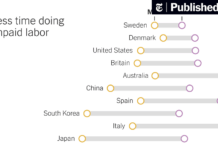
Labor extends beyond the tangible mechanics of flipping burgers or manning registers. The mother-worker carries the invisible package of emotional labor—soothing fevers, mediating tantrums, and whispering lullabies to children who may only glimpse her in fleeting moments. This unpaid labor is the mortar holding families together, yet it remains painfully divorced from economic valuation. The wage gap widens not merely because of overt discrimination but due to a societal refusal to quantify nurturing roles. Thus, the fast food mother faces a “double shift” that is both literal and metaphorical, making her a debtor to both time and money.
Capital’s Blindspot: Fast Food Industry and the Cost of Invisibilizing Mothers
Within the gleaming towers of capitalism, the fast food industry epitomizes a lucrative enterprise built on the erosion of dignity. The system’s blindspot—its willingness to overlook the realities faced by working mothers—serves to perpetuate cycles of poverty and silencing. This erasure is strategic: by fragmenting the worker’s identity into isolated commodities, the industry obfuscates the urgent need for equitable remuneration and supportive labor policies. The consequence? Mothers are trapped in a Sisyphean grind where every paycheck is a mere token, never quite enough to square the economic and emotional ledgers.
Resistance and Resilience: Reclaiming Worth through Collective Agency
But there is power in reclamation. The fast food mother is not a passive victim; she is a bastion of resilience. Through unions, grassroots activism, and feminist solidarity, she carves out spaces for visibility and agency. These movements challenge hegemonic narratives that diminish her labor and reclaim the discourse around fair pay and working conditions. Her fight is emblematic of intersectional feminism in practice: demanding recognition not just for gender equality, but for economic justice that encompasses the multiplicity of her lived experience. Here, resistance unfurls like a vibrant tapestry—complex, unyielding, and profoundly human.
Reimagining Value: Feminism’s Economic Imperative
The crux of this conversation is a profound reimagining of value itself. Feminism, intersectional and uncompromising, urges a transformation in how society appraises labor—extending beyond capital’s narrow metrics to embrace the holistic contributions of fast food mothers. It demands systemic overhaul: living wages, child care support, flexible schedules, and protections that honor the inseparability of work and care. This vision dares to disrupt entrenched paradigms, elevating those who sustain the social fabric while fueling the engines of commerce. To pay her is to acknowledge a truth long denied—her work is indispensable, her worth immeasurable.
Conclusion: The Fast Food Mother as a Catalyst for Justice
She stands at the crossroads of feminism and labor, a quiet catalyst forcing a societal reckoning. Paying the fast food worker who is a mother is not a charitable gesture; it is a radical act of justice. It unmasks the economic and social architectures that have long commodified womanhood and motherhood while simultaneously dismissing their economic significance. This is a call to rewrite the rules, to dismantle the clockwork orange, and to reforge a world where the mother’s dual labor is valued, visible, and vindicated. The fast food worker who is a mother is not an invisible drone in the corporate hive; she is a potent symbol of intersectionality’s emancipatory promise—the embodiment of feminism’s ultimate imperative: to pay her.