Is it possible that beneath the feminist rhetoric advocating for female empowerment and agency lies a darker, almost paradoxical fascination—the fetishization of the female corpse in true crime culture? This question unsettles, intrigues, and demands confrontation. While feminism exalts women as autonomous beings, true crime often immortalizes them as silent victims displayed in morbid tableau vivant. What happens when these two forces collide? Does the ever-expanding spotlight on female victims inadvertently commodify their suffering, or can feminist engagement with true crime reclaim and subvert this grim spectacle? Let’s unravel this unnerving interplay and challenge the boundaries where reverence slips into fetishization.
The Allure of the Female Corpse: A Cultural Obsession
The female corpse holds a chilling allure in societal imagination, amplified exponentially by true crime’s relentless gaze. This obsession isn’t new—art, literature, and media have long fixated on the dead female form, from the tragic Ophelia floating in a stream to countless cinematic tableaux. True crime, however, transforms this intrigue into a commodified spectacle, frequently parsing and displaying corporeal vulnerability in ways that border on voyeurism. The portrayal of murdered women becomes a macabre art, framed by forensic detail and investigative bravado, but also haunted by an undercurrent of eroticized morbidity.
This cultural fetishization finds fertile ground in the way female victims are often depicted: idealized, objectified, and stripped of their agency. Their bodies become canvases upon which narratives of violence, power, and gender are inscribed. This fixation not only mesmerizes the public but also shapes collective perceptions about femininity, victimhood, and mortality. The corpse is no longer merely a remnant of tragedy; it is an emblem—seductive, haunting, and perpetually enshrined in cultural memory.
Feminism’s Complicated Dance with True Crime
Feminism, in its diverse manifestations, champions women’s rights and autonomy fervently. Yet its interplay with true crime media is fraught with contradictions. On one hand, many feminists harness true crime narratives to illuminate systemic misogyny and advocate for victims’ rights, galvanizing awareness and activism. On the other hand, the pervasive fetishization of female corpses complicates such efforts, sometimes undercutting the very agency feminism seeks to protect.
This uneasy dance raises profound questions. Can feminist critique dismantle the spectacle without diminishing the gravity of the crime or disrespecting the victims? Or does the immersive consumption of graphic details inadvertently objectify female suffering? The tension resides in a paradox: How to engage with true crime as a tool for empowerment and social change without succumbing to the same voyeuristic tendencies that fetishize death?
The Role of Media: From Sensationalism to Cultural Reflection
Media is the crucible where the fetishization of the female corpse ignites and transforms. True crime documentaries, podcasts, and photojournalism package death into digestible narratives, often emphasizing the sensational over the substantive. Sensational headlines and graphic imagery reel in audiences, capitalizing on primal fears and morbid curiosity. Female victims, in particular, are framed through lenses that emphasize vulnerability, innocence lost, or scandal—ever teetering between victimhood and martyrdom.
Yet, media also reflects societal discomforts and power relations, mirroring cultural anxieties about gender and violence. The portrayal of female homicide victims invokes broader discourses about gendered violence, patriarchy, and justice. The problematic fetishization cannot be wholly uncoupled from societal complicity—media both shapes and is shaped by cultural currents. Thus, feminist reframing of media narratives becomes paramount to resist reductive portrayals and to center women’s humanity rather than their post-mortem spectacle.
The Danger of Spectacle: When Advocacy Becomes Objectification
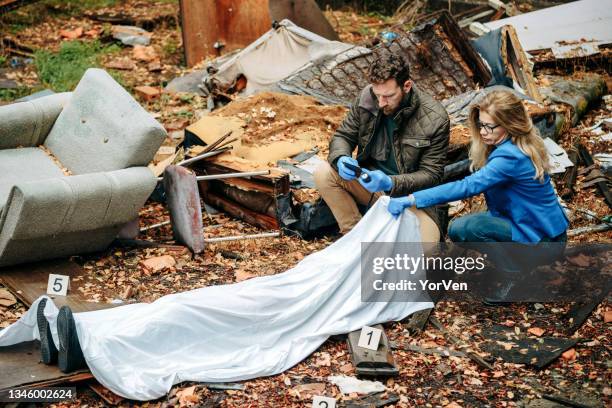
Advocacy born from true crime narratives can, paradoxically, slide into objectification when the female corpse is transformed into a symbol rather than a person. The danger arises in the transmutation of intimate tragedy into spectacle—a transformation fueled by audiences craving closure and sensational detail. Graphic crime scene photos, gory forensic analyses, and sensational storytelling often prioritize shock value over empathy, reducing victims to archetypes rather than honoring their full identities.
Such spectacle flattens complex lives into digestible, monochromatic narratives. This undermines feminist objectives by perpetuating a voyeuristic consumption of women’s suffering. It also risks retraumatizing families and communities connected to the victims, as they witness loved ones reduced to morbid fantasies. The challenge is to subvert this spectacle—to transform fascination into respect, engagement into empowerment.
Reclaiming Agency: Feminist Interventions in True Crime
How, then, can feminism intervene to reclaim agency over the depiction of female victims in true crime? The answer lies in nuanced storytelling that humanizes victims beyond their death. This involves amplifying survivors’ voices, contextualizing violence within systemic patterns, and emphasizing the social structures that perpetuate misogyny. Feminist true crime narratives must resist sensationalism and instead prioritize dignity and complexity.
Moreover, feminist engagement encourages critical media consumption—prompting audiences to interrogate their own complicity in fetishizing female victims. It advocates for ethical storytelling frameworks that respect consent, avoid gratuitous imagery, and foreground survivor perspectives. This approach not only challenges the fetishization of the female corpse but also challenges broader societal norms that commodify women’s bodies, in life and death.
Conclusion: A Provocative Paradox to Ponder
Can feminism truly disentangle itself from the macabre allure of the female corpse within true crime culture? This provocative paradox compels us to question our collective gaze and the frameworks through which we interpret violence against women. The tension between empowerment and fetishization is not easily resolved but invites ongoing critical reflection.
It is within this uncomfortable space—between admiration and objectification, recognition and spectacle—that the future of feminist true crime engagement resides. To navigate it demands vigilance, empathy, and a willingness to interrogate not only the external narratives we consume but the internal desires that shape them. Only then can the female corpse transcend fetish and become a catalyst for genuine transformation.