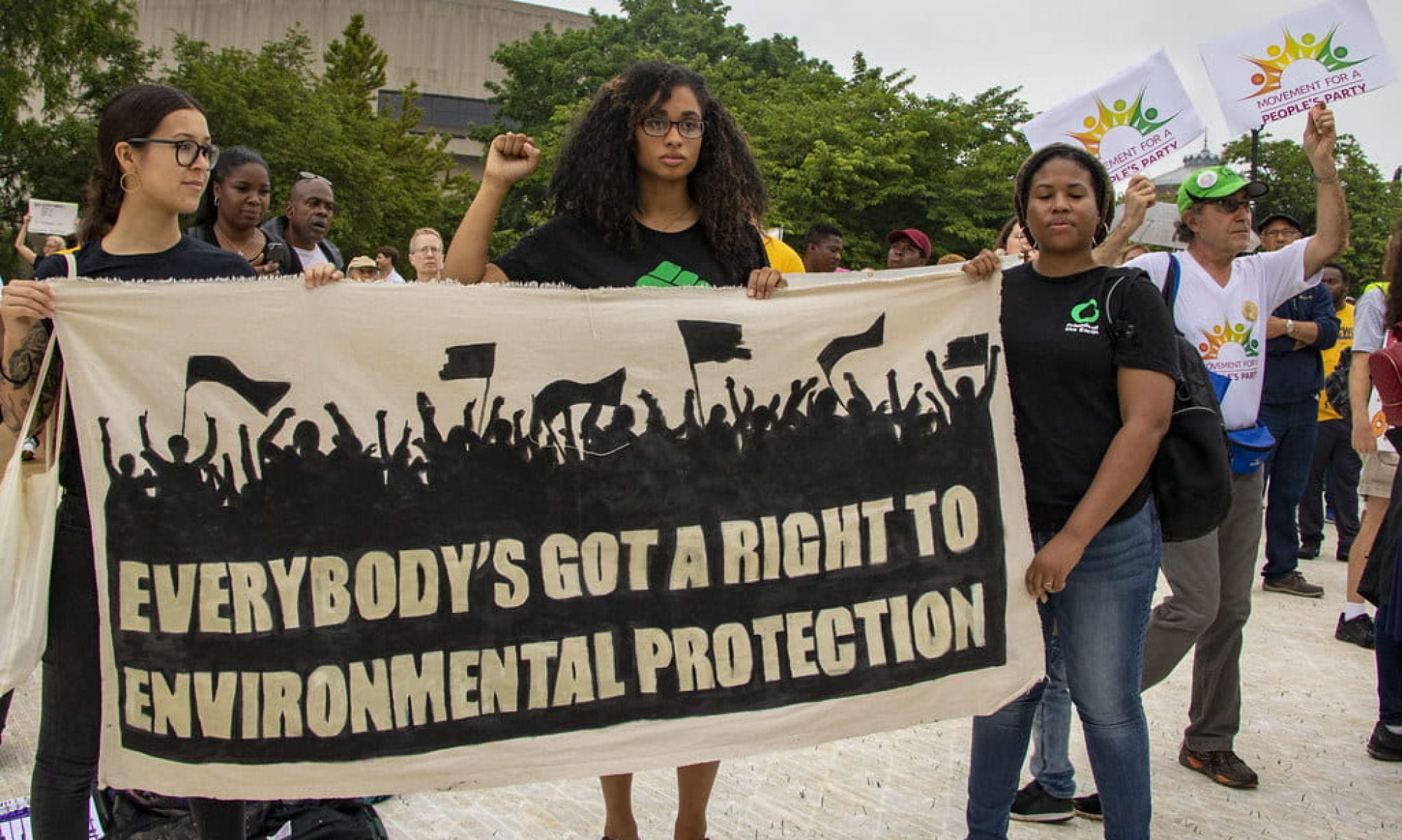
There is an unsettling kinship between feminism and environmental justice, often whispered about but seldom confronted with the ferocity it demands. Environmental racism—a sinister manifestation of systemic neglect—does not merely scar the landscape; it inflicts a unique and brutal form of violence upon women and children. This is no peripheral issue, no abstract concept confined to academic discourse. It is a visceral reality, a crisis woven into the fabric of marginalized communities, igniting a profound unraveling of their physical, emotional, and social well-being. Why, then, does this pervasive violence continue to harbor such a dangerous invisibility? The answer lies in an intricate web of power, gendered vulnerability, and racialized oppression that demands unflinching scrutiny.
The Intersection of Environmental Racism and Gendered Violence
Environmental racism thrives on the deliberate siting of hazardous industries and waste facilities in communities predominantly inhabited by people of color. But the impact of this targeted neglect is not gender-neutral. Women, especially mothers and caretakers, bear the brunt of these toxic exposures in ways that are both tangible and devastating. This is violence by neglect, violence through systemic inequalities that exacerbate their health risks and weaken their capacity to protect their families. The insidious nature of environmental racism means that for women, the home—the traditional bastion of safety—turns into a crucible of invisible poison. The air they breathe, the water their children drink, the soil where communities grow food—are all battlegrounds where racialized and gendered violence intersect with deadly consequence.
Children as Silent Victims: The Unseen Casualties
Children, undeniably, are the most vulnerable in these environments saturated with pollutants. Their developing bodies and immune systems are exquisitely sensitive to toxins commonly present in polluted water and air. In communities subjected to environmental racism, the demographics tilt heavily toward younger populations, amplifying the stakes. More insidiously, this poisoning happens quietly. Developmental delays, asthma outbreaks, congenital disabilities—all too often disregarded as isolated misfortunes—signal a systemic assault. Feminism’s unwavering commitment to advocating for women necessarily extends to the children in their care, spotlighting the compounded cruelty where gender, race, and health disparities converge.
Environmental Burden and Economic Exhaustion: The Double Bind
Economics ties these injustices into a suffocating knot. Women in marginalized communities typically juggle low-wage employment, caregiving, and household labor under extreme stressors. The chronic health impacts of living amid pollution only deepen economic precarity. Medical bills pile up; lost wages from illness cripple families. Environmental racism is a catalyst for economic exhaustion—a form of structural violence marginalizing women not just physically but financially. The fight to secure clean air and water is, at its core, also a battle for economic justice and recognition of women’s labor, both paid and unpaid, which sustains communities against overwhelming odds.
Historical Complicity and Contemporary Resistance
The roots of environmental racism lie in a historical complicity that spans political regimes and economic systems alike. From redlining that confined families into polluted zones to lax regulatory frameworks permitting unchecked industrial expansion near communities of color, history lays bare a calculated disregard for certain bodies leveled with systemic neglect. But embedded within this history is also an unyielding spirit of resistance. Women, from grassroots activists to scholars and policymakers, have spearheaded movements that expose and dismantle these toxic legacies. Their fight reframes environmental justice as an essential feminist issue—one where survival hinges on dismantling intertwined systems of oppression.
Feminist Ecology: Reimagining Power and Place
Feminist ecology offers a subversive lens through which to reconceptualize the relationship between women, environment, and power. It challenges patriarchal paradigms that commodify land and bodies alike, advocating for a radical redistribution of power grounded in caring for ecosystems and communities simultaneously. This approach highlights the essential role women play not only as victims but as stewards and leaders in the reclamation of environmental spaces ravaged by racism. Through this framework, environmental health transcends biology, becoming a struggle for reclaiming dignity, autonomy, and justice.
The Psychological Toll: Trauma and Resilience
The assault environmental racism inflicts is not limited to physiology. The psychological dimensions are profound and enduring. Women witness the slow unraveling of their communities, the loss of green spaces replaced by industrial decay, the constant anxiety over children’s health—all fostering collective trauma. Yet, within this trauma lies an extraordinary resilience. Women cultivate networks of care, build community gardens, push for policy reforms, and create narratives of hope and defiance. Recognizing this duality—of violence and resilience—is crucial in addressing the full spectrum of environmental injustice.
Policy Gaps and the Need for Intersectional Solutions
Despite growing awareness, policy frameworks addressing environmental racism frequently fail to integrate a gendered perspective, glossing over the particular dangers faced by women and children. Intersectionality—a cornerstone of contemporary feminist thought—demand a paradigm shift in environmental policymaking. Solutions must be rooted in justice that acknowledges the compounded effects of race, gender, and class. Only then can laws and regulations begin to dismantle the hierarchies perpetuating environmental violence and truly protect those most imperiled.
Conclusion: Feminism as a Crusade Against Environmental Violence
Understanding environmental racism as a violent act against women and children unsettles complacency. It forces a confrontation with uncomfortable truths—of power wielded mercilessly and communities sacrificed to economic expediency. Feminism’s mission, therefore, is inseparable from environmental justice. It demands no less than a radical reimagining of societal values that places the health, dignity, and autonomy of women and children at the heart of our collective survival. To neglect this intersection is to perpetuate violence in its most insidious form—a slow, creeping erasure of life writ large along the fault lines of race and gender.