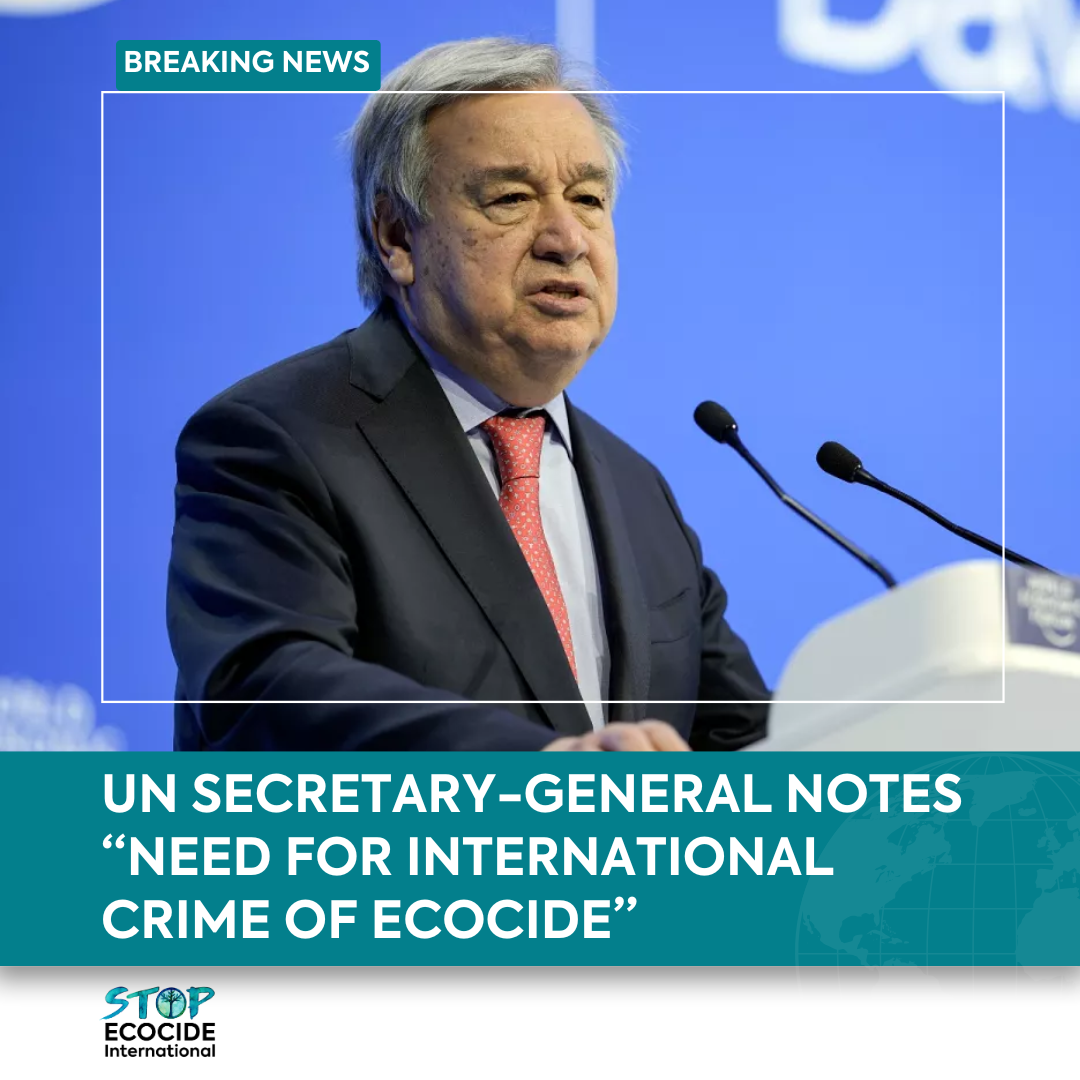
In the sprawling theater of human civilization, our planet plays the role of both stage and soul — a fragile orb spinning silently against the cosmic void. Yet, beneath the serene veneer of blue oceans and lush forests, an insidious crime festers, one that gnaws at the foundational fabric of life itself. This crime isn’t the handiwork of distant villains but a systemic, collective transgression — the crime of ecocide. As feminist thought unravels the entwined threads of environmental destruction and social injustice, the call for international recognition of ecocide as a crime grows louder, exposing a profound nexus between climate accountability and gendered power dynamics. This is no ordinary call for justice; it’s a rallying cry to rewrite the very lexicon of law and morality in the Anthropocene.
The Botanical Womb: Feminism’s Symbiotic Bond with the Earth
Feminism has long been about reclaiming power — not only for women but for all marginalized beings enslaved by patriarchal dominance. The Earth is, metaphorically, the primordial womb from which all life is birthed. To harm the Earth is to violate this sacred vessel, an act of symbolic matricide that ripples through feminist ideology deeply rooted in care, empathy, and respect for interconnectedness. The Earth and womanhood, forever entwined in poetic kinship, share histories of exploitation, silencing, and resistance. This shared narrative challenges the hegemonic structures that justify environmental pillaging as a form of “progress.” From soil to soul, feminism reframes climate activism as an intersectional struggle — one that demands the recognition of ecocide as a crime paralleled with the systemic abuses women face globally.
Ecocide: The Unseen Third Crime
When the world speaks of genocide and war crimes, it conjures images of human suffering with brutal immediacy. Yet, ecocide — the large-scale destruction of ecosystems that sustains life — has lurked in the shadows, a silent offender trotting under the radar of international law. Ecocide is a slow-motion massacre of biodiversity, a genocidal coup against future generations. The absence of its codification in global jurisprudence permits corporate and state actors to orchestrate environmental devastation with impunity, treating the planet as a disposable resource rather than a living entity. Officially recognizing ecocide as an international crime would dismantle this legal void, introducing accountability mechanisms that address the ecological carnage entwined with economic greed and social inequities.
Climate Accountability: A Radical Reimagining of Justice
Accountability is not just a ledger of who did what, but a radical reimagining of justice — one that transcends transactional retribution and embraces restorative healing for both people and planet. Climate accountability demands that those responsible for environmental destruction answer not only to courts but to the diverse communities and ecosystems they have harmed. It requires dismantling the mythos of endless growth and consumption, exposing the machinery of extractivism that fuels climate chaos. An international crime of ecocide becomes a legal sword, carving paths for reparations, regeneration, and transformative justice grounded in ecological wisdom. This paradigm upends colonial legacies that have ravaged Indigenous territories and silenced environmental defenders, many of whom are women disproportionately bearing the brunt of environmental crises.
The Patriarchal Roots of Environmental Destruction
To comprehend why ecocide and feminism are inextricably linked, one must excavate the patriarchal roots that feed environmental destruction. Patriarchy is not merely a social system; it is a violent ecosystem of domination that commodifies life and fractures symbiotic relationships. It normalizes severing ties between humans and nature, between nurturers and the nurtured, empowering extractive industries at the expense of ecological balance. Feminist analysis exposes how the same logic that subjugates women also underpins systemic exploitation of the environment. The environmental crisis is thus not a standalone issue but a symptom of deep-seated gendered power imbalances that demand dismantling through an intersectional lens that includes combating ecocide.
Global Governance and the Imperative for Ecocide Law
International law has historically been myopic, focusing on human-to-human conflict while neglecting the battlefield that stretches across rivers, forests, and skies. The inclusion of ecocide as a recognized international crime would revolutionize global governance by expanding the scope of legal protection to the Earth itself — a living, breathing entity deserving of rights. Such a legal instrument would empower prosecutors to hold multinational corporations, governments, and powerful elites accountable for irreversible damage to ecosystems. It would establish precedents that prioritize ecological survival over economic expediency, ensuring that climate justice is no longer fragmented rhetoric but enforceable reality. This evolution in legal consciousness is not mere idealism but urgent necessity.
Women at the Vanguard of Climate Justice
Across continents, women stand as frontline sentinels against environmental degradation, often risking life and limb to protect sacred lands and waterways. Their leadership imbues climate accountability with unyielding moral clarity and intimate knowledge of the stakes at hand. Feminism amplifies these voices, championing inclusivity and resilience in climate dialogues traditionally monopolized by patriarchal institutions. Recognizing ecocide catalyzes not only legal reform but a cultural reckoning — a recalibration of power that centers women’s experiences, wisdom, and innovations in crafting sustainable futures. Women’s activism illuminates pathways where climate science, indigenous knowledge, and feminist theory intersect to combat ecocide resolutely.
From Metaphor to Manifesto: The Call to Action
The recognition of ecocide as an international crime transcends symbolic gesture; it is a manifesto for survival etched into law. The metaphor of Earth as the botanical womb implores humanity to stop committing matricide on a grand scale. This recognition demands a seismic shift in values, one that marries feminism’s quest for equity with an uncompromising commitment to ecological preservation. It calls for bold legislative action, grassroots mobilization, and the moral courage to confront entrenched power structures. The crime of ecocide is not an abstraction — it is a daily reality. Acknowledging it heralds the possibility of reparation and renewal, offering a protective covenant to the life-giving forces of the planet against the ravages of avarice.
In the symphony of justice and survival, feminism and climate accountability compose a duet insisting that the Earth must never again be collateral damage. The path forward demands harnessing the power of laws, voices, and movements united under the banner of ecocide. It’s a battle against invisibility — a battle to ensure that the silence of the forests and waters echoes loudly in the halls of justice. We stand at a precipice: will we allow the crime of ecocide to persist, or will we rise with fierce conviction to enshrine a new era of global accountability? The future depends on the courage of this choice.