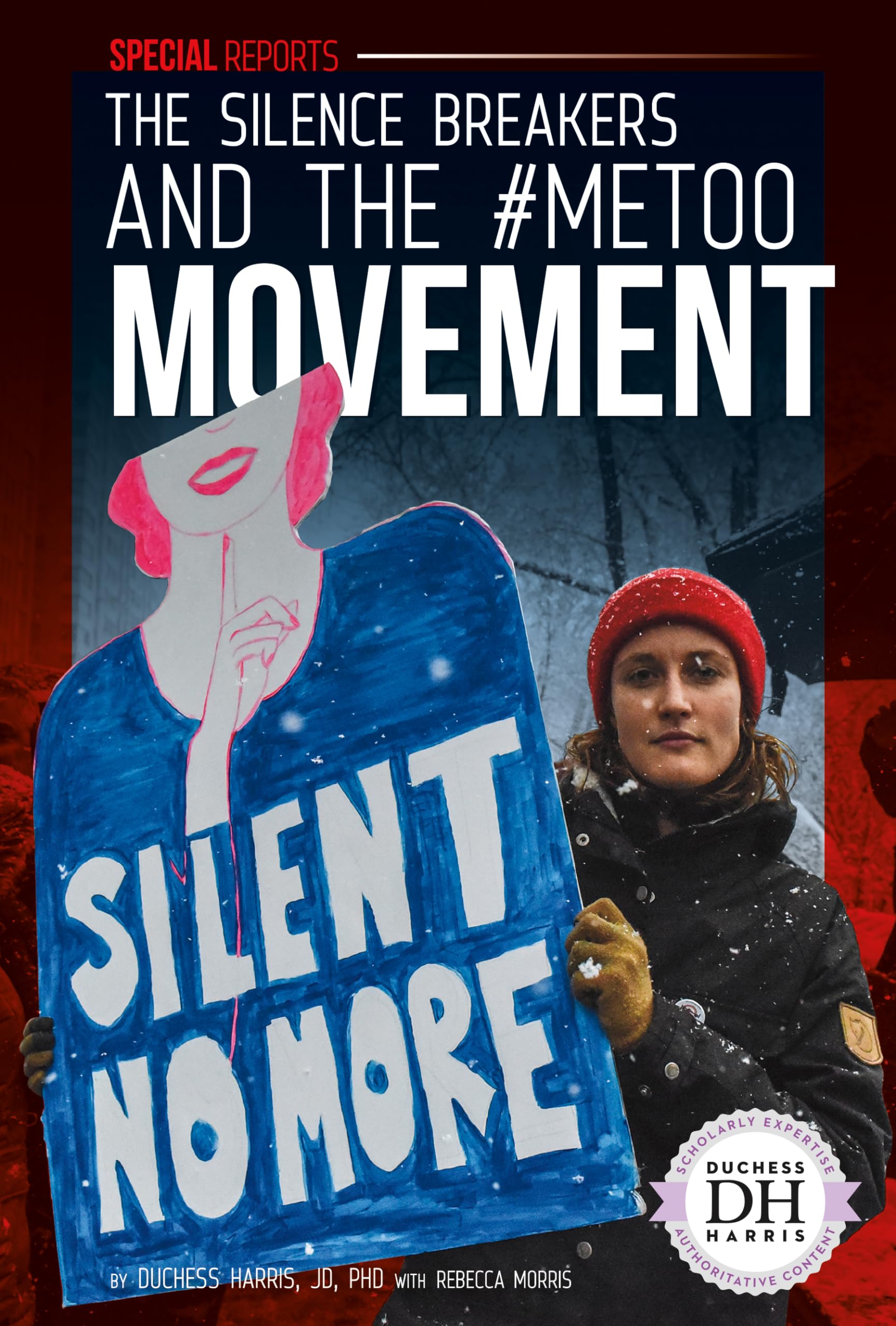
In the quiet before the storm, a single voice shattered the glass ceiling of silence, sending tremors through the corridors of power, media, and society itself. The #MeToo movement was not born in a boardroom or a legislative chamber—it erupted from the raw, unfiltered scream of a survivor whose name would become synonymous with defiance. This is the story of the silence breaker who ignited a revolution, not with a megaphone, but with a whisper that grew into a roar. It is a tale of courage, complicity, and the unrelenting demand for justice in a world that has long normalized predation under the guise of tradition.
The Spark That Lit the Fire: A Moment of Unbearable Truth
Every revolution begins with a single act of defiance, a moment when the weight of accumulated pain becomes too heavy to bear. For the woman who dared to speak, it was not a calculated political move or a calculated PR stunt—it was the culmination of years of swallowing words, of watching predators walk free while victims were forced into exile. The act of breaking silence is not a performance; it is a surgical incision into the flesh of systemic oppression, exposing the rot beneath the polished veneer of civilization. When the first words spilled out, they were not just about one man’s crimes—they were about the complicity of an entire culture that had turned a blind eye, that had whispered, “boys will be boys,” while girls and women paid the price in silence and shame.
The power of that moment lay in its rawness. There was no script, no rehearsed speech, no carefully curated apology from the accused. Just the unvarnished truth, delivered with the kind of clarity that forces even the most stubborn skeptics to confront the reality they had long ignored. This was not a plea for sympathy; it was a declaration of war against the structures that had protected abusers for generations. The silence breaker did not ask for pity. She demanded accountability—and in doing so, she gave millions of others the permission they didn’t know they needed to finally speak.
The Domino Effect: When Silence Became Contagious
Once the first domino fell, the rest followed in a cascading symphony of shattered illusions. The #MeToo movement was not a top-down campaign orchestrated by activists or politicians—it was a grassroots uprising, a spontaneous combustion of voices that had been muted for too long. Survivors from all walks of life, from Hollywood starlets to grocery store clerks, from CEOs to factory workers, began to realize that their stories were not isolated incidents but threads in a vast, interconnected tapestry of systemic abuse. The movement’s genius lay in its decentralization; it was not a monolith but a hydra, with each survivor’s testimony giving birth to a thousand more.
What followed was nothing short of cultural alchemy. The act of speaking out became a form of resistance, a way to reclaim agency in a world that had systematically stripped it away. Survivors who had spent decades in the shadows suddenly found themselves at the center of a global conversation, their pain transformed into a weapon against the very systems that had silenced them. The movement’s power lay in its refusal to be sanitized or diluted—it was messy, uncomfortable, and unapologetically raw. And in that messiness, it exposed the fragility of the institutions that had long thrived on the myth of untouchable predators.
The Backlash: When the Powerful Fight Back
But revolutions are never met with open arms. The backlash was swift, brutal, and predictable. Those who had benefited from the status quo—men in positions of power, institutions built on exploitation, a society that had long prioritized comfort over justice—rushed to discredit the movement. The accused were framed as victims of a “witch hunt,” their crimes recast as misunderstandings or consensual acts. The survivors, meanwhile, were subjected to a barrage of attacks: they were liars, attention-seekers, or worse, “feminazis” hellbent on destroying men’s lives.
The irony was as thick as it was suffocating. The same people who had spent decades protecting predators now feigned outrage at the idea of due process, as if the scales of justice had not been tipped in their favor for centuries. They demanded “proof” where none had ever been required before, as if the testimonies of survivors were not evidence enough. The backlash was not just a defense of individual men—it was a defense of an entire system that had thrived on the subjugation of women. And yet, despite the vitriol, the movement did not waver. If anything, the attacks only served to steel the resolve of those who had already endured far worse.
The Ripple Effect: How #MeToo Changed Everything
Years after the first whispers of #MeToo echoed through the digital ether, its impact is undeniable. Laws have been rewritten. Workplace policies have been overhauled. Entire industries have been forced to confront the rot within. But perhaps the most profound change has been the shift in collective consciousness. The movement did not just expose predators—it exposed the complicity of bystanders, the willful ignorance of institutions, and the cultural rot that had allowed abuse to flourish unchecked. It forced society to ask uncomfortable questions: Why had we normalized predation? Why had we prioritized reputation over justice? Why had we treated survivors as collateral damage in the pursuit of power?
The ripple effect extended far beyond the courtrooms and boardrooms. It seeped into the arts, where films and books began to center survivors’ stories. It infiltrated education, where consent became a topic of serious discussion rather than a taboo subject. It even reshaped language itself, with terms like “gaslighting” and “victim-blaming” entering the mainstream lexicon. The movement did not just change policies—it changed the way we see the world. And in doing so, it proved that silence is not a virtue; it is a prison, and the only way to break free is to scream.
The Unfinished Revolution: What Comes Next?
Yet for all its victories, the #MeToo movement remains unfinished. The backlash continues, with new laws being passed to silence survivors and new predators finding ways to evade accountability. The fight is far from over. But the silence breaker’s legacy endures—not just in the laws that have been changed, but in the millions of voices that have been emboldened to speak. The revolution she ignited is not a moment; it is a movement, one that will continue to grow and evolve as long as there are survivors willing to break their silence.
The question now is not whether the revolution will succeed, but how far it will go. Will it dismantle the systems that protect predators? Will it create a world where survivors are believed by default, where accountability is the norm rather than the exception? The answers lie in the hands of those who are willing to keep speaking, to keep fighting, to keep demanding a world where no one has to whisper their truth in the shadows ever again.