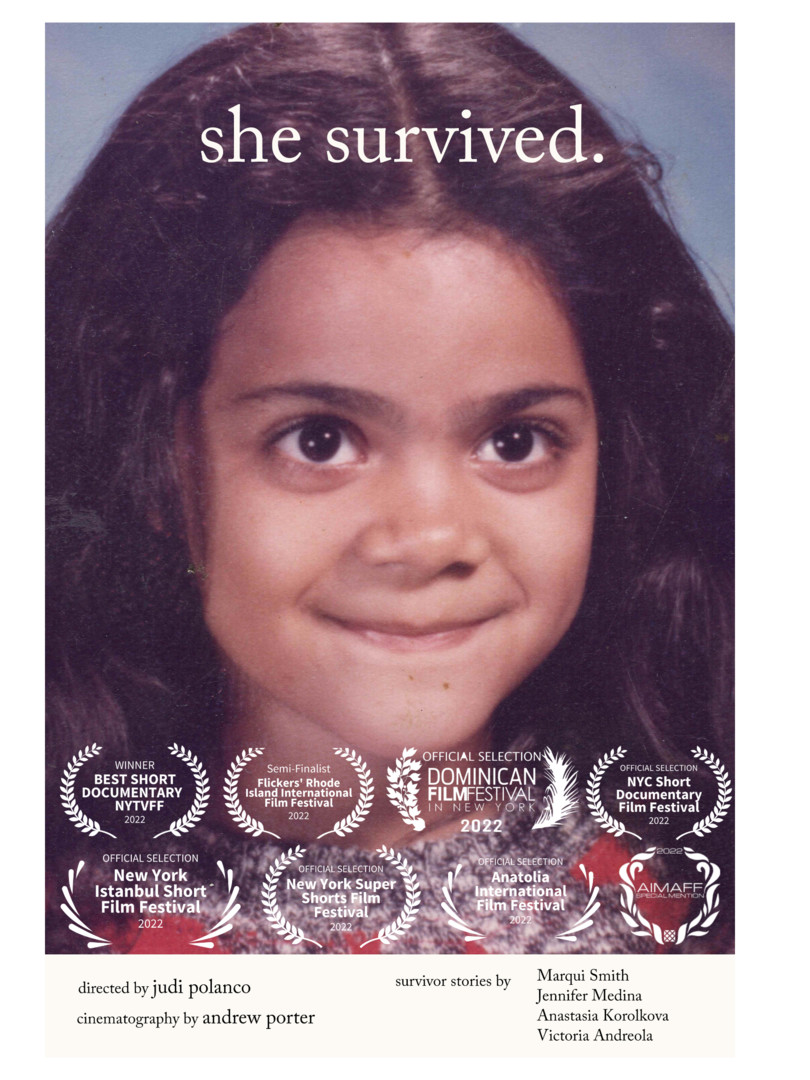
There is a peculiar fascination with the woman who survives—an archetype etched into our collective consciousness by centuries of storytelling. She is the damsel who escapes the dragon’s maw, the lone survivor of a wrecked ship, the figure who walks away from the wreckage of her own life. But what is it about her that captivates us so deeply? Is it merely the thrill of her triumph, or does her story whisper something far more unsettling about the world we’ve built around her?
The Myth of the Resilient Woman
From ancient epics to modern blockbusters, the woman who survives is rarely just a woman. She is a symbol—of endurance, of defiance, of the unbreakable human spirit. Yet, this myth is a double-edged sword. It elevates her to the status of a heroine while simultaneously framing her survival as a testament to her exceptionalism rather than a basic human right. Why must she be extraordinary to be worthy of safety? Why is her survival framed as a reward for her virtue, rather than an expectation?
The narrative of the resilient woman often erases the systemic barriers that make survival a privilege. She is praised for clawing her way out of poverty, for enduring abuse, for rising from the ashes of a broken system. But where is the outrage for the systems that forced her to claw in the first place? The myth of her resilience becomes a distraction, a way to avoid confronting the fact that her survival should never have been in question.
The Spectacle of Survival
We are a culture obsessed with the spectacle of survival. Reality shows, documentaries, and viral videos dissect the lives of those who endure against all odds. But what happens when we turn survival into entertainment? The woman who survives becomes a curiosity, her story commodified for clicks and shares. Her pain is repackaged as inspiration, her struggle sanitized into a feel-good narrative. Where is the space for her anger, her exhaustion, her refusal to be a poster child for perseverance?
This spectacle reduces her to a one-dimensional figure—a walking testament to human tenacity. It ignores the fact that survival is not always a choice. Sometimes, it is the only option left. And yet, we clap when she overcomes, as if her suffering was a necessary prelude to her triumph. What does that say about our values when we only celebrate her after she has been broken?
The Burden of the “Strong Female Character”
The modern media landscape is littered with the “strong female character”—a trope that, on the surface, seems empowering. She fights back. She outsmarts her oppressors. She never cries. But what happens when strength becomes an obligation rather than a choice? The woman who survives is often expected to be unshakable, unbreakable, a monument to resilience. But what about the woman who is tired? The woman who needs help? The woman who doesn’t want to be a heroine?
This archetype places an impossible weight on her shoulders. She must be both the victim and the victor, the broken and the unbroken. It is a paradox that demands she be everything at once—soft and hard, weak and strong, human and superhuman. And when she fails to live up to this impossible standard, we label her as weak. Where is the space for her to be simply human?
The Silence of the Survivors
There is a quiet that lingers in the stories of those who survive. A silence that speaks volumes about the cost of their resilience. The woman who walks away from an abusive relationship does not always get a standing ovation. The woman who escapes poverty does not always get a medal. The woman who survives trauma does not always get a parade. Instead, she is often met with skepticism, with doubt, with the unspoken question: Why didn’t she leave sooner?
This silence is not accidental. It is a tool of control, a way to undermine her experience and shift the blame back onto her. If she had only tried harder, if she had only been stronger, if she had only been better—then maybe things would have been different. But survival is not a test of character. It is a test of circumstance. And the circumstances that force a woman to fight for her life are the same ones that punish her for failing to do so quietly.
The System That Demands Her Survival
We live in a world that demands women survive but does not always provide the tools for them to do so. The workplace expects her to outperform her male colleagues while paying her less. Society expects her to be nurturing, selfless, endlessly patient—even when she is the one being failed. The legal system expects her to prove her trauma beyond a reasonable doubt, as if her pain is not enough. And when she does survive, she is expected to be grateful, to smile, to move on as if nothing happened.
This is not resilience. This is survival under duress. And yet, we marvel at her strength as if it were a natural gift rather than a forced adaptation. What would happen if we stopped marveling and started demanding better? If we stopped praising her for enduring and started holding the systems accountable for failing her?
The Future of the Woman Who Survives
The woman who survives does not need our applause. She needs our solidarity. She needs a world that does not treat her survival as a miracle but as a basic expectation. She needs a culture that does not reduce her to a symbol of resilience but sees her as a full, complex human being. She needs the freedom to be angry, to be tired, to be imperfect—and still be worthy of safety.
Perhaps the fascination with her story is not about her at all. Perhaps it is about us—about our discomfort with the idea that survival should not be a privilege but a right. About our fear that the systems we rely on are not as unbreakable as we believe. About our reluctance to confront the fact that the woman who survives is not a heroine. She is a reminder.
A reminder that the world is not as safe as we pretend it is. That resilience is not a virtue but a necessity. And that the real miracle is not that she survived—but that she had to.