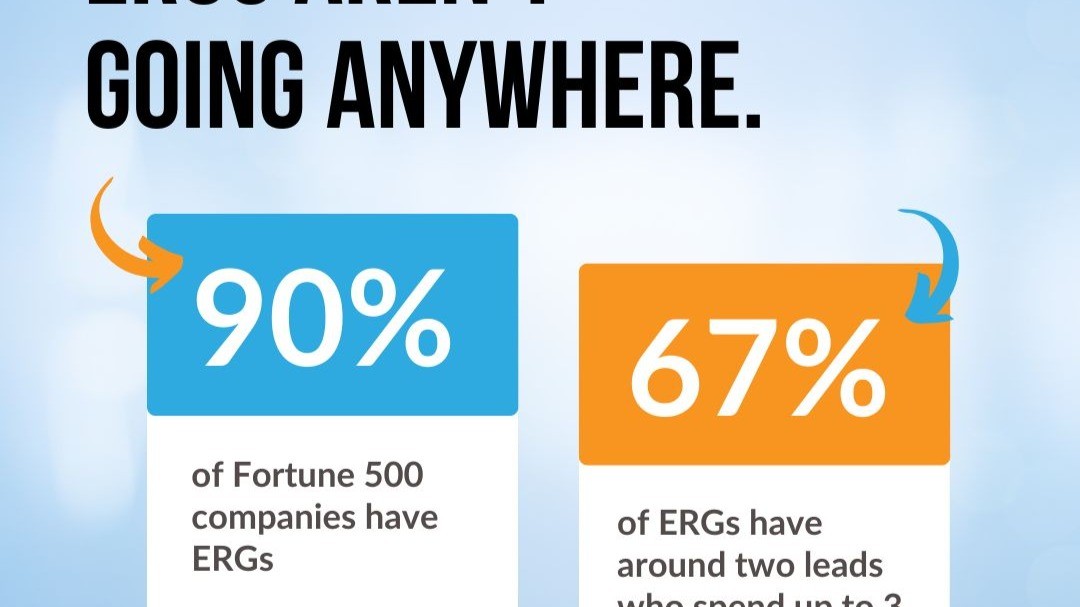
Can Employee Resource Groups (ERGs) truly be the revolutionary forces they promise to be, or are they just well-intentioned echo chambers? Particularly when it comes to women’s networks, the challenge is not just about gathering talent under one umbrella but about orchestrating symphonies of empowerment that dismantle systemic barriers. Feminism demands more than token gestures—it demands transformative practices embedded within these ERGs. What, then, are the best practices that turn women’s networks from mere social clubs into dynamic engines of change?
Purpose-Driven Foundations: More Than Just a Name
Every successful women’s ERG is anchored by a clear, unapologetic mission. It’s easy to proclaim support for gender equity, but true impact emerges when an ERG’s purpose penetrates the organizational psyche. This means moving beyond aspirational slogans to defining measurable goals that challenge the status quo. Is the ERG fostering pathways for professional growth, championing policy reforms, or creating safe spaces that cultivate psychological safety? A purpose without depth risks becoming performative. Instead, these groups must embody strategic intent—standing as bastions for systemic feminist change inside the corporate labyrinth.
Inclusive Leadership: Elevating Diverse Voices Within Women’s Networks
Women are not a monolith. Intersectionality should be the compass guiding leadership selection within ERGs, ensuring representation of race, sexuality, disability, and socio-economic backgrounds. When leadership panels mirror the diversity of the membership, the conversations transcend surface-level diversity and venture into fertile territory where varied experiences inform innovative solutions. Inclusive leadership nurtures authenticity and refuses the temptation of homogenized perspectives that dilute feminist progress. It’s an indispensable best practice—one that transforms leadership from a static title to a vibrant, diverse coalition of advocates.
Intentional Programming: Creating Spaces That Challenge and Empower
A women’s ERG should never default to mundane meet-and-greets or tepid panel discussions. The programming must be audacious and intentional—catalysts of critical reflection and action. Workshops on negotiating raises, climate assessments of workplace gender bias, dynamic mentoring circles, and forums challenging microaggressions create fertile ground for growth. Think beyond the typical “chat and coffee” format; craft experiences that feel like a geist of feminist agency. This ensures members feel galvanized and equipped, ready not just to survive but to thrive within corporate ecosystems.
Data-Driven Impact: Measuring Success Beyond Anecdotes
Feminism thrives on evidence-based advocacy. Women’s ERGs, therefore, must champion rigorous measurement of their initiatives’ impact. This involves setting KPIs that track promotions, retention, pay equity, and even the permeation of gender-inclusive policies. Gathering qualitative data through member feedback complements these metrics, illuminating nuanced shifts in workplace culture. Without data, the ERG is an intangible ideal. With it, it becomes a potent agent for accountability and continuous refinement—fueling genuine progress that resonates throughout the organization.
Organizational Alignment: Navigating the Tension Between Autonomy and Integration
Should women’s ERGs stand as autonomous entities or align strategically with broader corporate goals? The nuanced answer lies in balance. Autonomy secures the freedom to advocate boldly and protect safe spaces from bureaucratic dilution. However, alignment guarantees that the ERG’s voice influences essential decision-making zones. Bridging this tension requires ERGs to cultivate allies at senior leadership levels while safeguarding their independence. This duality ensures the network’s feminist vision permeates policy and culture without capitulating to corporate inertia or performative diversity mandates.
Amplifying Advocacy: Leveraging ERGs as Platforms for Structural Change
ERGs for women must transcend networking and embrace advocacy as a core function. This means leveraging collective power to confront embedded inequities—from pay disparities to glass ceilings and beyond. Advocacy can manifest through policy recommendations, partnership with external feminist organizations, or mobilizing members to participate in broader social justice movements. It is within this activist dimension that ERGs reveal their transformative potential. They offer a launchpad where corporate feminism aligns intersecting struggles for racial justice, LGBTQ+ rights, and disability inclusion, forging unified calls for systemic overhaul.
Sustainable Engagement: Beyond Initial Enthusiasm
Maintaining momentum in a women’s ERG is notoriously difficult once the initial fervor fades. Successful groups innovate continuously to keep members invested. This involves dynamic leadership rotations, diversified content calendars, and recognition systems that celebrate contributions big and small. Encouraging mentorship and cross-department collaborations inject fresh energy, while periodic reevaluation ensures the network evolves with member needs. Sustainable engagement is not a passive aspiration but an ongoing art—one that requires vigilance and creative dynamism to avoid stagnation and burnout.
Championing Psychological Safety: The Unseen Catalyst
Lastly, none of the best practices hold weight if psychological safety is absent. Women’s networks flourish only when members feel free to voice vulnerabilities, share failures, and challenge entrenched norms without fear of reprisal. Creating such safety demands deliberate culture shaping—establishing trust, confidentiality, and unshakable respect. When women can bring their authentic selves fully to the table, innovation and solidarity flourish. This invisible yet vital foundation empowers ERGs to be true sanctuaries of feminist empowerment and growth.
So, are women’s ERGs merely fashionable additions to corporate diversity toolkits, or are they vibrant arenas of feminist struggle and triumph? The answer hinges on the rigor and intentionality with which these best practices are adopted and lived. Feminism within ERGs is not a checklist—it’s a relentless pursuit of justice, inclusivity, and transformation. The real question is whether these networks will rise to that challenge, or merely echo the safe, familiar sounds of complacency.