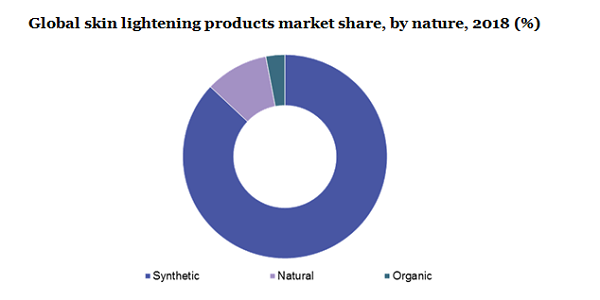
Skin lightening products have become ubiquitous across the globe, their presence an indelible mark on societies grappling with beauty, identity, and power. This phenomenon is more than a straightforward consumption pattern; it is a labyrinthine interplay between cultural hegemony, capitalist forces, and gendered expectations. At the heart of this labyrinth lies a perplexing fascination—why do so many, especially women, invest in altering their most personal feature, their skin? The answer, steeped in layers of historical subjugation and contemporary aspiration, demands an examination through an intersectional feminist lens that exposes the economic and sociopolitical currents propelling this global industry.
The Veil of Beauty Standards: More Than Skin Deep
When one observes the relentless advertising campaigns and soaring sales figures of skin lightening products worldwide, a superficial interpretation might attribute this solely to vanity or aesthetic preference. Yet, beneath the surface lies a confluence of *colonial legacies* and *racial hierarchies* that equate lighter skin with desirability, status, and privilege. These deeply entrenched ideals are not happenstance; they originate from centuries of systemic racial discrimination which still permeate modern societies.
Within feminized beauty regimes, skin lightening emerges as a ritual imbued with complex power dynamics. It serves as a tool both of assimilation and resistance—an attempt to navigate oppressive frameworks that disregard darker skin tones. The obsession thus reveals a paradox, a craving for acceptance in spaces that historically marginalize and stigmatize.
Intersectionality: Gender, Race, and Economic Exploitation
To dissect the economics behind the skin lightening industry without acknowledging intersectionality would be a gross oversimplification. Women of color, often belonging to economically disenfranchised classes, disproportionately constitute the consumer base. This demographic specificity underscores how gender and race intertwine to create unique vulnerabilities exploited by a booming market.
The industry capitalizes on insecurities deeply intertwined with societal expectations of femininity — the notion that a woman’s worth is inextricable from her appearance. Add a racialized scaffold to this, and the pressure intensifies exponentially. Marketing frequently employs a rhetoric of transformation and empowerment, but this veneer masks a pernicious economic machinery that profits from perpetuating and reinforcing these insecurities. The buyers are not merely customers; they are caught in a cyclic commodification of their cultural identities and self-worth.
The Global Footprint: From Local Traditions to Multinational Conglomerates
Skin lightening is not confined to one geography or culture; its tentacles stretch across continents with variegated expressions. From South Asia’s centuries-old herbal concoctions to Africa’s rapidly growing market infused by Western cosmetic conglomerates, the industry’s growth is staggering. One cannot ignore the globalization of beauty norms that transmutes local traditions into global commodities.
Multinational corporations harness these localized desires, churning out products ranging from creams and soaps to invasive treatments, all emblazoned with promises of social elevation and personal transformation. The supply chains, advertising budgets, and technological innovations behind these products make the skin lightening market a microcosm of global capitalism, where profit margins thrive on cultural homogenization and aspirational consumerism.
The Price of Light: Health Risks and Regulatory Vacuums
While the economics of skin lightening boast impressive figures, there exists a darker undercurrent—the perilous health implications borne by consumers. Many skin lightening products contain harmful substances such as mercury and hydroquinone, which pose severe dermatological and systemic threats. Despite these risks, lax regulations and inconsistent enforcement enable continued circulation of these hazardous goods.
This regulatory void disproportionately affects women in lower-income brackets who may lack awareness or access to safer alternatives. The pursuit of societal acceptance collides dangerously with physical wellbeing, illustrating a grim paradox where economic empowerment via consumption paradoxically results in bodily harm. Awareness campaigns and policy reforms wrestle to keep pace with a market that profits from ignorance and vulnerability.
The Feminist Reclamation: Challenging and Redefining Beauty Paradigms
The conversation surrounding skin lightening is not merely one of victimhood but also of resistance. Feminist movements worldwide have begun challenging colorism and demanding expansive definitions of beauty that honor diverse skin tones. This paradigm shift questions not only aesthetic norms but the structural inequalities underpinning them.
Empowerment emerges through self-acceptance and the rejection of toxic beauty myths, but this is no facile journey. It requires dismantling deeply ingrained social attitudes and confronting economic interests vested in these hierarchies. Grassroots activism, coupled with transformative media representation and inclusive policy, can destabilize the lucrative skin lightening apparatus and foster a cultural reimagining where all skin shades command respect and celebration.
The Future of the Industry: Innovation, Ethics, and Consumer Awareness
Looking ahead, the skin lightening industry faces mounting pressure from ethical scrutiny and evolving consumer consciousness. Innovation, once focused solely on product efficacy, must now pivot towards sustainability and health safety. The rise of ‘brightening’ products that do not imply lightening but rather enhancing radiance signals a subtle yet significant semantic shift, reflecting a growing discomfort with previous marketing paradigms.
Consumers equipped with information and critical perspectives are beginning to demand transparency and accountability. This shift could precipitate a transformation in how beauty markets operate, compelling corporations to relinquish exploitative practices. However, such change demands sustained advocacy and systemic overhaul of the intersecting structures of race, gender, and economy that fuel the skin lightening market.
Conclusion: Unveiling the Complex Tapestry of Desire and Capital
The global skin lightening industry is not merely a market driven by aesthetics but a potent symbol of intersectional oppression and aspiration. Its remarkable economic footprint belies the cultural contradictions and human costs embedded within. Feminism’s intervention reveals layers of exploitation and resistance, exposing how race, gender, and capitalism intertwine to dictate the politics of beauty.
Understanding this complex tapestry is essential—not simply to critique a product category but to challenge a world-view that commodifies identity and perpetuates inequality beneath the guise of transformation. Only then can the fascination with lighter skin be contextualized not as fleeting obsession but as a profound dialogue on power, visibility, and selfhood in our globalized era.