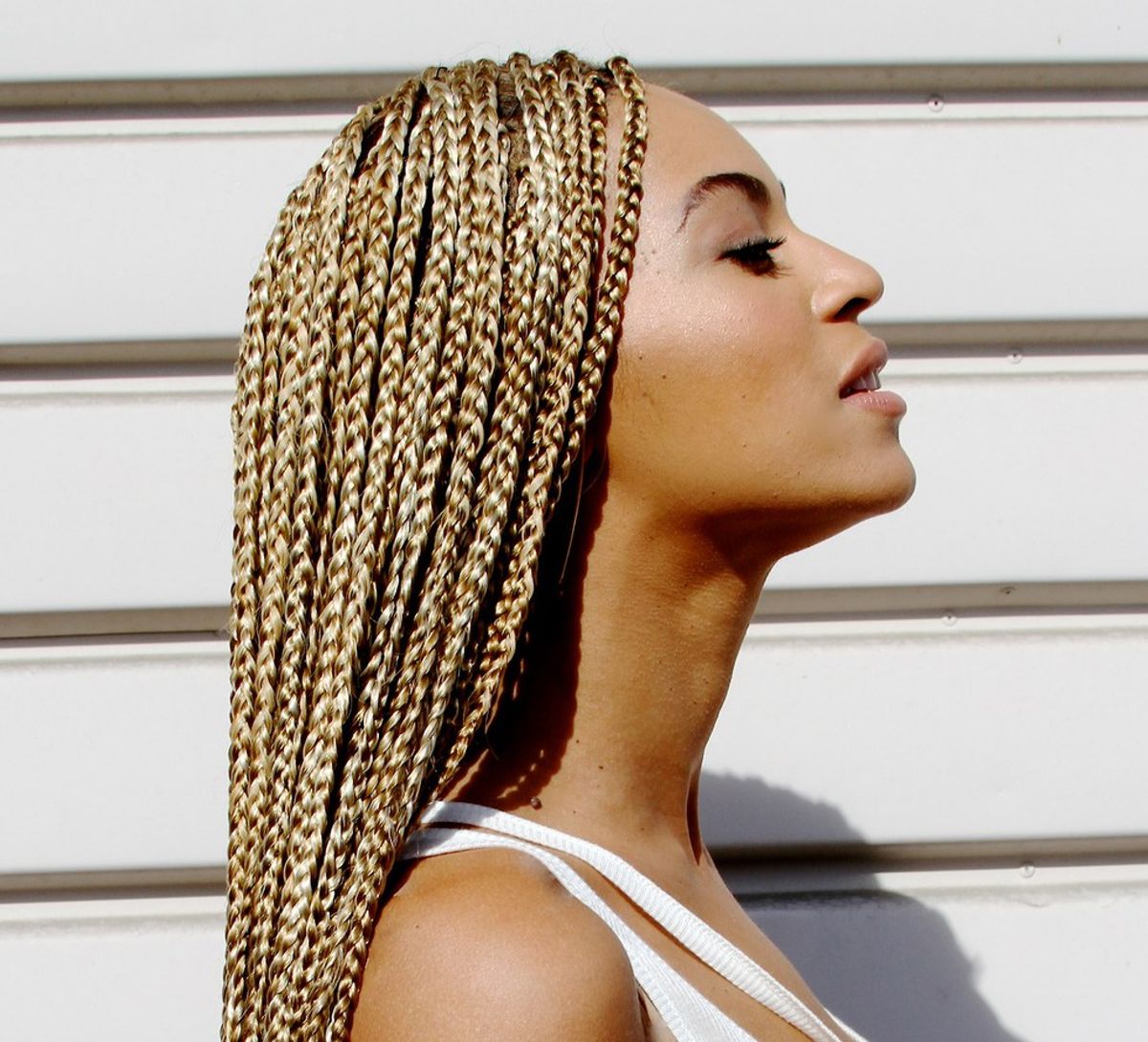
In today’s cultural melting pot, fashion and identity intertwine with dizzying speed. Among the most striking phenomena is the recurring surge of “new trends” in mainstream feminism, especially when it comes to protective hairstyles—braids, cornrows, twists—that have long been an integral part of Black culture. Yet, this fascination bears a troubling undertone: the cultural appropriation of these hairstyles, reframed as cutting-edge fashion novelties, often strips them of their historical and sociopolitical significance. This curious dynamic warrants a deeper investigation into why protective hairstyles, fetished as fresh trends, consistently resurface in feminist discourse, detached from their roots.
The History Encapsulated in Protective Hairstyles
Protective hairstyles are more than aesthetic choices; they are cultural signifiers deeply woven into the fabric of Black history. Far from mere decoration, braids and cornrows served practical functions during enslavement and beyond—a map, a method of survival, and a clandestine language of resistance. The meticulous patterns carried stories of lineage, geography, and social status within African communities and the diaspora. They encapsulated a collective memory fraught with resilience, identity, and autonomy.
When feminism exalts these hairdos as “trendy” today without acknowledging their historical gravitas, it risks reducing profound cultural expressions to ephemeral style statements. This extraction flattens layered heritages into mere aesthetics, essentially erasing the lived experiences encoded in these hairstyles.
The Fascination with “New” Protective Hairstyles in Feminist Spaces
There is a tantalizing allure in feminist circles surrounding hairstyles that emerged from Black culture—partly because they embody an apparent embrace of diversity and bodily autonomy. Yet, this enthusiasm often glosses over how the same hair choices remain stigmatized when worn by Black women due to ongoing racial biases. The dichotomy is glaring: when white and non-Black individuals adopt these styles, they catapult into realms of chic, avant-garde, and empowered; for Black women, they are too often deemed unprofessional or rebellious.
This paradox reveals a deeper societal discomfort with Blackness itself. Protective hairstyles become vessels for feminist ideals only when detached from their originators. The mainstream feminist canvas seems to thrive on what it can borrow but not genuinely embody. This selective fascination inadvertently perpetuates an exclusionary narrative undergirded by cultural commodification.
Appropriation Versus Appreciation: The Thin Red Line
The line between cultural appropriation and genuine appreciation is precariously thin—and frequently crossed. Feminism, with its foundational goals of equality and liberation, should theoretically dismantle systems that marginalize. Yet, the appropriation of protective hairstyles spotlights a glaring inconsistency. Many who herald these hairstyles as symbols of liberation fail to critique the structural racism that penalizes Black women for the very expressions they celebrate.
Appropriation strips context, severing symbolic hairstyles from the political and emotional landscapes they inhabit. In contrast, appreciation would entail recognizing the histories, struggles, and triumphs embedded in these styles—and amplifying Black voices in conversations about them. Absent this, the adoption is performative, an exercise in aesthetic consumption devoid of accountability.
Commercialization and the Capitalist Facet of Appropriation
Feminist admiration for protective hairstyles frequently coincides with their commodification through fashion and media channels. Major brands repurpose and repackage these hairstyles as fresh trends, marketing them to a predominantly non-Black audience. This process transforms culturally significant practices into commercial products, generating profit while sidelining the communities who originated them.
Capitalism, with its insatiable hunger for novelty, exploits cultural elements that can be monetized. Through advertising, editorial spreads, and social media virality, protective hairstyles are decontextualized and sanitized, fit neatly into a consumerist fantasy. The economic gains rarely flow back to Black creators or serve to elevate Black empowerment in a substantial way. Instead, the cultural extraction perpetuates a cycle of invisibility cloaked in glossy promotion.
The Intersection of Feminism and Racial Justice: An Unfinished Dialogue
To confront the cultural appropriation of protective hairstyles is to engage with an uncomfortable truth at feminism’s intersection with racial justice. Feminism cannot claim universal liberation while sidelining issues of race and cultural identity. Genuine inclusivity demands interrogating who benefits from feminist trends and whose experiences are marginalized or erased.
The reframing of protective hairstyles within feminism should not be superficial celebration but an invitation to reckon with persistent inequalities. This means acknowledging systemic hair discrimination, advocating for protections against hair-based bias, and centering Black women’s voices and choices within feminist discourse. Without this, feminism risks replicating the very exclusion it purports to dismantle.
Redefining Empowerment: Moving Beyond Trend Fetishization
True empowerment recognizes the origins and implications of cultural expressions. Feminists embracing protective hairstyles must transcend the confines of trend adoption and move toward fostering cultural literacy and allyship. This involves active listening, education, and collaboration that prioritizes respect over consumption.
It also calls for dismantling colorism and Eurocentric beauty norms that delegitimize natural Black hair. By elevating authentic narratives and resisting reductive trendchasing, feminism can evolve into a movement that respects cultural sovereignty and combats appropriation at its core. This shift is not just desirable—it is imperative for ethical solidarity.
Conclusion: A Provocation to Conscientious Reflection
The phenomenon of protective hairstyles reappearing as newfound “feminist trends” demands more than casual acceptance or surface-level celebration. Beneath the allure lies a mirrored tension between cultural reverence and appropriation, between inclusion and exclusion. Feminism, to live up to its transformative potential, must reckon with the appropriation intricacies that surround these hairstyles.
It is a call to embrace discomfort, to question whose stories are being told, and to ensure that liberation is collective rather than selective. Protective hairstyles are not mere fashion statements—they are emblems of history, identity, and resilience. The challenge lies in honoring them authentically, dismantling systemic biases, and fostering a feminism that truly reflects all its voices.