The forensic medical examination—commonly known as the rape kit—is not merely a procedural formality; it is a lifeline for survivors navigating the aftermath of sexual violence. This meticulous, often invasive process is designed to collect and preserve evidence that could dismantle the silence surrounding assault, yet its intricacies remain shrouded in misunderstanding. For survivors, the kit represents both a beacon of justice and a potential minefield of re-traumatization. For society, it is a stark reminder of the systemic failures that still plague our response to gender-based violence. Understanding this process is not just academic—it is an act of solidarity. It demands we confront the uncomfortable truths about how we, as a culture, treat survivors and their pursuit of accountability.
The Psychological Terrain: Preparing for the Unspeakable
Before a single swab is taken or photograph snapped, the survivor must traverse a psychological gauntlet. The decision to undergo a forensic exam is rarely made in calm deliberation; it is often a frantic, last-resort choice made in the wake of shock. Hospitals and clinics may feel like hostile territory, their sterile corridors echoing with the unspoken weight of what has occurred. The presence of a trained Sexual Assault Nurse Examiner (SANE) can be a lifeline, but even their expertise cannot erase the vulnerability of undressing—both physically and emotionally—before a stranger. Survivors may grapple with dissociation, their minds retreating into numbness as they confront the reality of reliving their trauma. This is not weakness; it is survival. The system must recognize that the exam is not just a medical procedure—it is a confrontation with power, control, and violation.
The Chain of Custody: Preserving Evidence in a Broken System
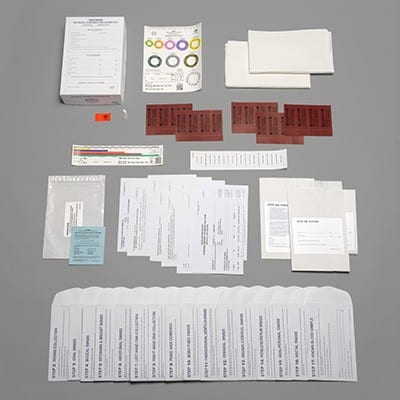
Once the decision is made, the forensic process begins with a critical, often overlooked step: the chain of custody. Every swab, every photograph, every sealed evidence bag must be documented with surgical precision. A single misstep—a mislabeled vial, a delayed transfer—can render years of evidence useless. Yet, this meticulousness is not mirrored in the broader legal system. Kits languish in police storage for years, untested, while survivors wait in limbo for answers. The irony is glaring: the very system designed to protect evidence often fails survivors twice—first by the assault, then by the neglect of their case. This is not incompetence; it is complicity. The chain of custody is not just a bureaucratic formality—it is a promise that justice will not be casually discarded.

The Physical Examination: A Ritual of Reclamation
The physical exam is where the abstract horror of assault meets cold, clinical reality. Survivors may be asked to lie on a cold table, their bodies exposed to the gaze of strangers, their dignity stripped away piece by piece. The SANE will methodically document injuries—bruises, lacerations, the subtle signs of struggle that might otherwise go unnoticed. Swabs are taken from intimate areas, each one a silent scream for recognition. Photographs are taken, not as voyeurism, but as irrefutable proof. The process is invasive by design, because sexual violence leaves its mark in ways that are not always visible. Yet, for all its clinical detachment, the exam is also an act of reclamation. In a world that often dismisses survivors’ accounts, the kit becomes tangible evidence that their pain matters—that their bodies, too, are sites of resistance.
Emotional Labor: The Unseen Burden on Survivors
The emotional toll of the forensic exam is rarely discussed, yet it is the heaviest burden survivors bear. They are asked to recount their trauma in clinical terms, to relive the assault in the sterile confines of a hospital room. The language of the exam—”describe the pain,” “point to where you were touched”—can feel like a second violation, reducing their experience to a checklist. Many survivors report feeling like specimens rather than human beings, their agency stripped away in the name of evidence collection. The system demands their cooperation, yet offers little in return beyond the hollow promise of justice. This is not incidental; it is structural. The forensic exam is not just a medical procedure—it is a performance of compliance, one that survivors must endure to be taken seriously.
The Legal Labyrinth: From Kit to Courtroom
Even when a kit is collected, the battle for justice has only just begun. The legal system is a labyrinth, its corridors lined with obstacles designed to discourage survivors. Prosecutors may decline cases based on flimsy excuses—lack of corroborating evidence, the survivor’s “credibility” questioned. Defense attorneys may dissect their past, their choices, their very character. The kit, once a symbol of hope, becomes just another file in a backlog of untested cases. The irony is suffocating: the very evidence that could dismantle the culture of impunity is often discarded before it ever sees a courtroom. This is not justice; it is a farce. Survivors who endure the forensic exam deserve more than empty gestures—they deserve a system that fights for them, not against them.
Cultural Shifts: Redefining the Narrative Around Rape Kits
The forensic medical examination is not just a tool for prosecutors; it is a mirror reflecting society’s attitudes toward survivors. The way we treat rape kits—whether we prioritize them or let them gather dust—reveals our true commitment to ending sexual violence. If we claim to value survivors, we must demand better: better training for SANEs, better accountability for law enforcement, better support for those who endure the exam. We must challenge the notion that survivors owe the world their trauma in exchange for justice. The forensic process should not be a gauntlet; it should be a sanctuary. Until then, the rape kit remains a symbol of our collective failure—a reminder that we have yet to fully reckon with the violence that shapes so many lives.