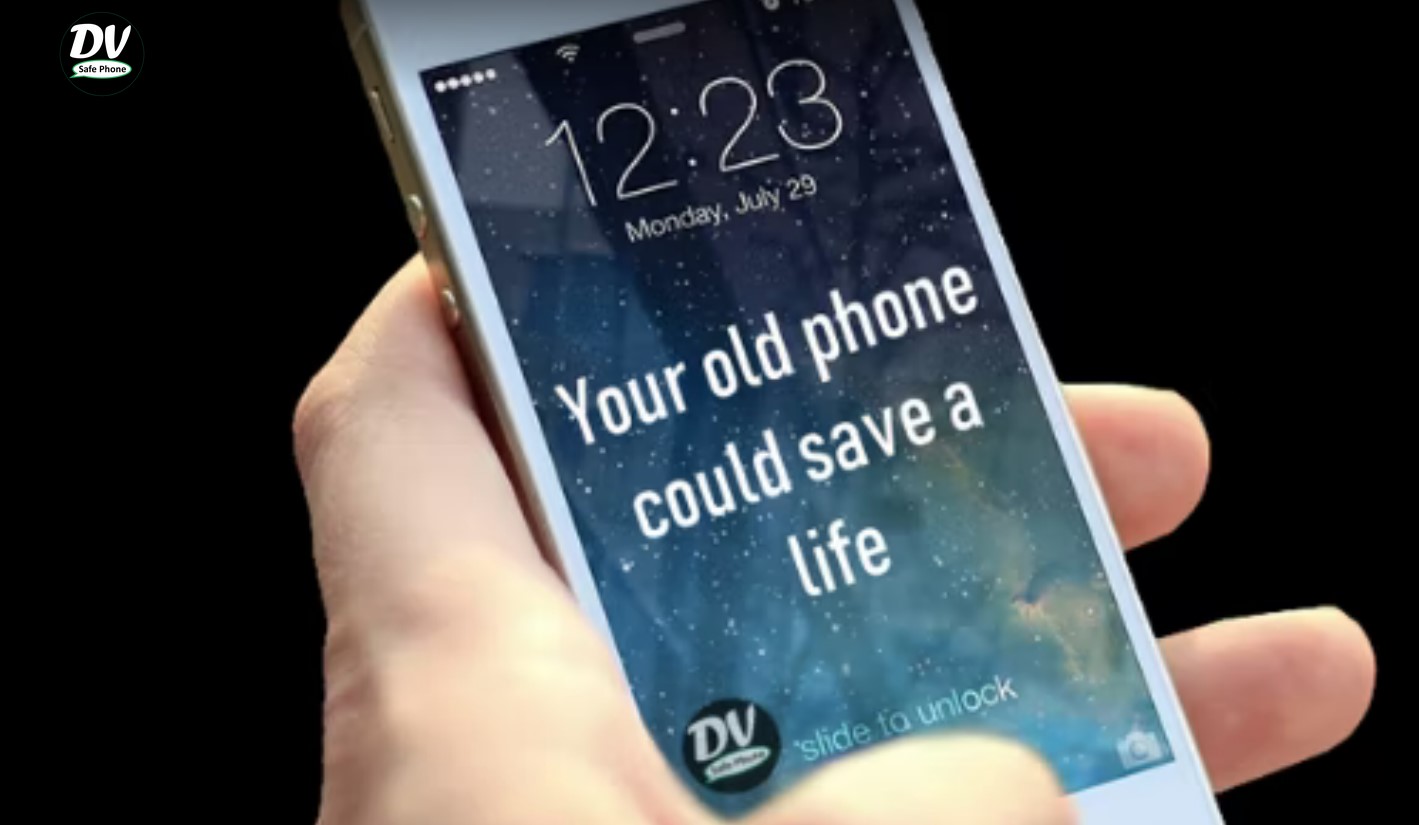
In a society where domestic violence remains a pervasive scourge, innovative measures are urgently needed to safeguard the most vulnerable among us. Maryland County’s initiative to distribute phones specifically to domestic violence victims is not just laudable; it is a paradigm shift in how we approach the multifaceted issue of domestic abuse. This initiative epitomizes a powerful intersection of technology and feminism, enabling victims to reclaim their autonomy and strengthen their access to vital resources for escape and recovery.
In a world burdened by antiquated stereotypes and systemic disenfranchisement, the deployment of smartphones to those ensnared in the throes of domestic violence serves as an empowering beacon of hope. Herein lies the crux of the matter: technology, often seen as a hindrance in the lives of the marginalized, now transforms into a crucial ally.
Through this initiative, we observe the infusion of feminist principles aimed at dismantling oppressive structures. By equipping victims with the necessary tools to communicate, seek help, and build a network of support, this program tackles both the immediate and long-term consequences of domestic violence. This is not merely about providing a device; it’s about giving survivors a voice amid a cacophony of silence.
Before delving deeply into the multifarious implications of this initiative, we must first consider the pressing reality of domestic violence in the United States. According to recent statistics, nearly one in four women and one in nine men are subject to severe intimate partner physical violence. These staggering figures illuminate the ugly truth that domestic abuse can affect anyone, irrespective of social, economic, or demographic backgrounds. Hence, initiatives such as the one in Maryland are timely and imperative.
The following discourse will explore the implications of this groundbreaking initiative from a feminist perspective, navigating through the contours of empowerment, access to assistance, and the broader societal ramifications of technological intervention in the lives of domestic violence victims.
Fostering Empowerment through Access
At the heart of the phone distribution initiative lies the fundamental notion of empowerment. In many abusive relationships, one of the most insidious forms of control exercised by abusers is the restriction of communication. Survivors often find themselves isolated, cut off from supportive friends and family, and severed from avenues for legal assistance or shelter. By placing a phone in the hands of these individuals, Maryland County is not just facilitating communication; it is dismantling a core facet of the abuser’s control.
These devices afford victims the ability to reach out for help at a moment’s notice, whether it’s calling a trusted confidant or contacting helplines that specialize in domestic abuse. Empowerment comes in the form of information; knowledge becomes a potent weapon against the dark shadow of intimate partner violence. Geolocation capabilities allow victims to navigate to safer spaces, breaking the cycle of fear that often binds them. It’s an invitation to break free, to seek safety, and to chart a course toward healing.
The phones serve as a lifeline—a connection to services that provide legal aid, counseling, and shelter placement. By removing the barrier of accessibility, the initiative strategically alters the dynamic between victim and abuser, returning agency to those who have been wronged. In essence, it is feminism in action—prioritizing the autonomy and self-determination of individuals who have long been relegated to the background of their own lives.
Building Networks of Support
What enhances the significance of this initiative is its potential to cultivate community solidarity among victims of domestic violence. The adage “safety in numbers” resonates profoundly in this realm. Each phone not only enables individual connectivity but also fosters the creation of local networks. Survivors can communicate with one another, share experiences, and provide emotional support, transforming isolation into community engagement.
Moreover, by facilitating access to resources such as support groups, counseling services, and legal rights organizations, this program underscores a critical feminist perspective: that healing is often best pursued as a collective endeavor. Domestic violence is not simply a personal issue, but a communal blight that requires societal acknowledgment and collective action. Women—and men—who have navigated the treacherous waters of domestic violence can stand together, sharing stories that strengthen the resolve of others facing similar tribulations.
Furthermore, such initiatives have far-reaching implications beyond the personal level. They prompt local governments, law enforcement agencies, and community organizations to rethink their approaches to domestic violence. Policies can be re-evaluated, funding for resources can be enhanced, and a cultural shift toward addressing the epidemic of domestic violence can be forged. In this way, one measure can catalyze a ripple effect, beckoning others within the community to become active participants in the fight against domestic abuse.
The Societal Paradigm Shift
Let’s not overlook the broader societal implications of supplying phones to domestic violence victims. This initiative is a microcosm of a critical feminist argument: that societal structures must adapt to address the needs of the marginalized. The traditional responses to domestic violence have often been reactive—treating symptoms rather than addressing root causes. But as proactive measures become normative, advocates can push for systemic changes in policy, education, and public awareness.
Imagine a world in which every county in the nation commits to empowering domestic violence victims in this manner. Envision the profound shift in societal attitudes toward domestic abuse—issues once cloaked in stigma and silence could be brought to the forefront of communal consciousness. The availability of resources, whether they’re technological or support-based, could embolden victims across the country to break free from their chains of oppression.
In this re-envisioned landscape, public discourse transforms. Awareness campaigns can gain traction, educational initiatives can enter schools, and legislators can construct enforceable policies that prioritize the welfare of domestic violence victims. The implication is clear: by empowering individuals at the local level, we can catalyze systemic change that reverberates throughout society.
Crucially, organizations and stakeholders involved in this initiative must recognize their role in perpetuating the momentum. They must ensure that the funds allocated for these phones are used responsibly, with ongoing support offered to survivors long after the initial deployment of the technology. Continuity in support is vital; it takes more than a phone to extricate someone from the grips of a violent relationship.
A Call to Action
This Maryland initiative should not merely be viewed as a singular event in a vacuum. It is a clarion call for action—for feminists, community organizers, policymakers, and ordinary citizens. By advocating for similar programs across the nation, we can reaffirm the notion that victims of domestic violence deserve not just sympathy, but tangible support and unwavering solidarity.
In conclusion, the initiative to distribute phones to domestic violence victims in Maryland is more than a technological intervention; it is a lifeline drenched in empowerment, connection, and collective healing. Embracing the feminist perspective, this program fosters the reclaiming of agency that so many victims have had stolen from them. It is imperative that society embarks on a journey alongside these survivors, transforming a culture that has long normalized silence into one that fosters dialogue, understanding, and ultimately, liberation.