

















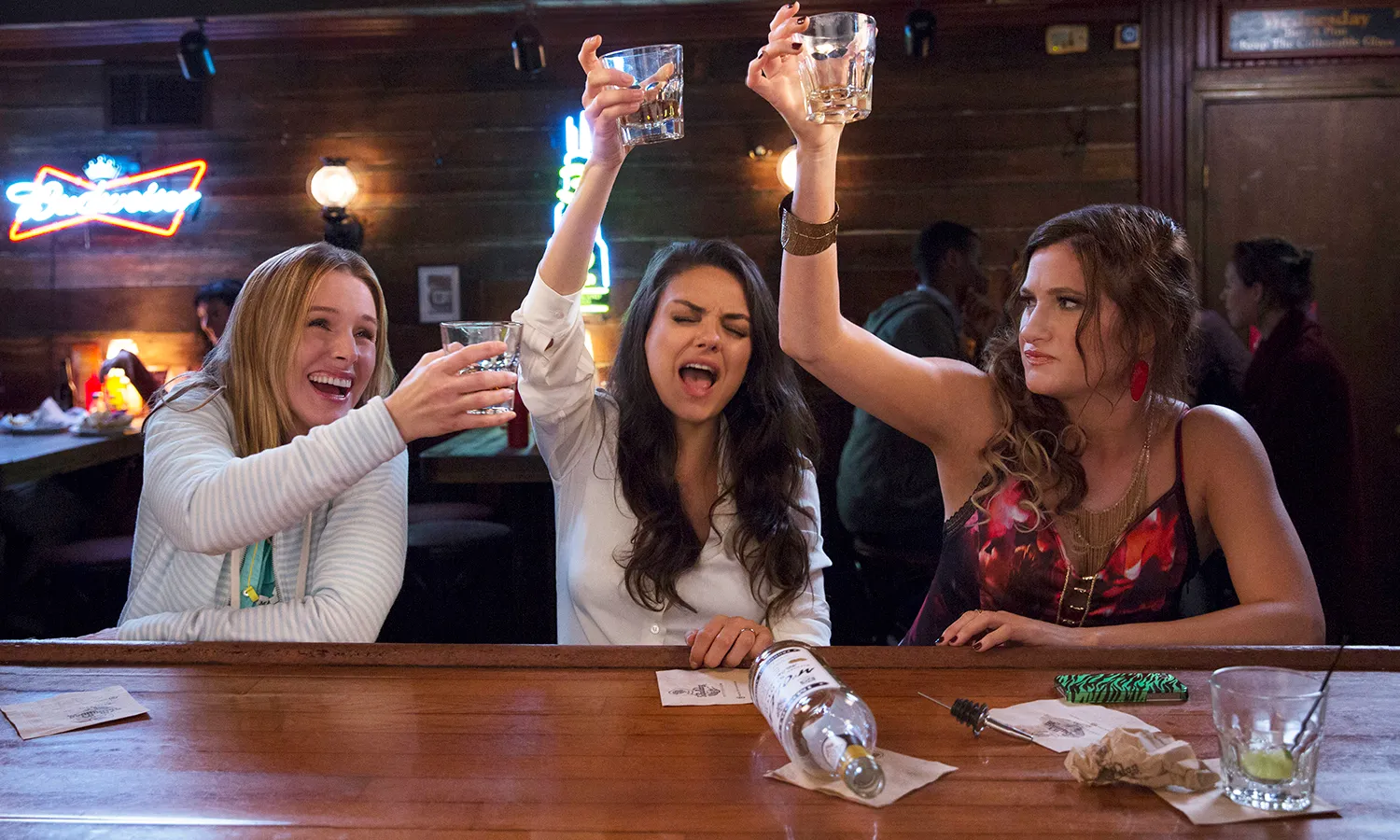
From a feminism perspective, popular culture moments that initially appear frivolous often reveal deeper negotiations around gender, autonomy, and social expectation. The release of the Bad Moms trailer—featuring Mila Kunis, Kristen Bell, and a cast of women visibly rejecting the polished ideal of “perfect motherhood”—is one such moment. With its playful emphasis on late nights, spilled drinks, discarded bras, and unapologetic laughter, the trailer presents more than a sequence of comedic beats. It offers a compressed social critique of maternal perfectionism and the emotional labor embedded in modern family life.
What unfolds in these brief scenes is not merely rebellion for entertainment’s sake. It is an attempt, however stylized, to reframe what maternal identity is allowed to look like in mainstream cinema.
The Persistent Myth of the Ideal Mother
For decades, popular media has promoted a narrow archetype of motherhood: endlessly patient, impeccably organized, nutritionally virtuous, and emotionally inexhaustible. This figure, often reinforced through advertising and family-oriented programming, functions as both aspiration and surveillance mechanism. Women are encouraged to measure themselves against an ideal that is neither attainable nor humane.
The Bad Moms trailer deliberately undermines this myth. It replaces organic snack trays and color-coded calendars with tequila shots and impulsive karaoke. The contrast is intentionally exaggerated, but exaggeration has long been comedy’s preferred method of social diagnosis. By pushing the pendulum far from domestic discipline toward conspicuous disorder, the trailer exposes how restrictive the original expectation truly is.
From a feminist analytical lens, this inversion serves a symbolic function. It asserts that maternal worth is not contingent upon constant self-denial or aesthetic control.
Humor as a Vehicle for Critique
Comedy has historically provided a socially acceptable channel for women to articulate dissatisfaction with prescribed roles. Laughter softens dissent, allowing critique to circulate where direct confrontation might be dismissed as bitterness or ingratitude. The Bad Moms trailer utilizes humor to articulate fatigue, frustration, and suppressed desire for autonomy.
Scenes of women abandoning restrictive clothing, toasting to freedom, and temporarily rejecting routine responsibilities are played for laughs, yet they correspond to real emotional experiences. Many mothers navigate a continuous tension between personal identity and caregiving obligation. The comedic framing does not trivialize this tension; rather, it renders it accessible.
In this sense, humor becomes an interpretive bridge between private exhaustion and public acknowledgment.
Female Friendship as Emotional Infrastructure
A notable element in the trailer is the emphasis on collective release. The characters’ moments of rebellion are not solitary acts of escape but shared rituals of solidarity. This narrative choice aligns with feminist understandings of community as a necessary counterbalance to isolation, particularly in caregiving roles that are often performed in domestic seclusion.
Friendship, in this depiction, is not incidental. It is therapeutic, affirming, and politically suggestive. When women support each other’s imperfection, they implicitly reject systems that thrive on competition and judgment. The laughter, the synchronized defiance, and the mutual validation create a social ecosystem in which vulnerability is not penalized.
Such portrayals counter narratives that position mothers as rivals in arenas of performance—whether in school volunteerism, household management, or children’s achievements.
Reclaiming Pleasure Without Guilt
Pleasure, especially for mothers, is frequently portrayed as conditional. It must be earned, scheduled, or justified as self-care rather than desire. The trailer’s unapologetic indulgence in dancing, drinking, and flirtation challenges this moral economy.
From a feminist standpoint, this matters because it disrupts the notion that women’s bodies exist primarily in service of others. Pleasure is not framed as escape from responsibility, but as part of a holistic human experience. The implication is not that parenting should be abandoned, but that personal joy should not be perpetually postponed.
This distinction is critical. Feminist theory has long argued that agency includes the right to pleasure without moral scrutiny. The trailer, in its exuberant simplicity, gestures toward this principle with accessible imagery.
Casting and Cultural Recognition
The presence of well-known actors such as Mila Kunis and Kristen Bell contributes to the cultural legitimacy of the film’s premise. Their public personas, often associated with likability and relatability, soften potential backlash against the narrative’s subversive elements. Viewers are more inclined to accept behavioral transgressions when enacted by familiar, trusted figures.
This dynamic reflects broader patterns in media reception. Representation gains traction when audiences can recognize themselves in the characters, not only demographically but emotionally. The casting strategy thus facilitates identification, allowing viewers to interpret rebellion as humorous empathy rather than moral deviation.
While celebrity does not inherently equate to authenticity, it can function as a conduit for socially challenging narratives to reach mainstream audiences.
The Limits of Subversion in Commercial Comedy
Despite its progressive undertones, it is important to acknowledge that the trailer operates within commercial constraints. Its brand of liberation is consumable, stylized, and ultimately temporary. The narrative arc, as suggested by the promotional material, implies a return to equilibrium rather than structural transformation.
From a critical feminist perspective, this raises questions about how far mainstream entertainment can truly challenge institutional expectations. Rebellion is permitted so long as it remains episodic and does not threaten the foundational structures of family, labor, or economic inequality.
Nevertheless, even limited disruptions can recalibrate cultural conversations. Normalizing the expression of maternal dissatisfaction and desire is a meaningful step in dismantling unrealistic standards, even if it does not constitute comprehensive critique.
Cultural Appetite for Alternative Maternal Narratives
The enthusiastic response to the trailer suggests a cultural appetite for narratives that diverge from idealized motherhood. This appetite reflects broader social shifts, including increased public discussion of mental health, burnout, and the unequal distribution of domestic labor.
Women are increasingly vocal about the emotional costs of performing perfection. Media that acknowledges these costs, even through comedic exaggeration, resonates because it validates lived experience. Validation, in turn, reduces stigma, encouraging more honest conversations about the realities of caregiving.
From this vantage point, the trailer’s popularity is not merely about humor. It is about recognition.
Feminism Perspective: Why This Moment Matters
From a feminism perspective, the Bad Moms trailer contributes to an ongoing cultural recalibration of maternal identity. It suggests that motherhood and individuality are not mutually exclusive, that responsibility and pleasure can coexist, and that imperfection is not a moral failing.
While the narrative may not dismantle structural inequities, it participates in a symbolic shift that challenges moralized expectations placed on women. Symbolic shifts, though intangible, influence policy debates, workplace norms, and interpersonal dynamics over time.
Representation, when repeated and diversified, reshapes what is considered normal. In this respect, even lighthearted portrayals carry cumulative cultural weight.
Conclusion: Comedy as Cultural Commentary
The release of the Bad Moms trailer, with its emphasis on bras discarded, drinks raised, and laughter unrestrained, operates on multiple levels. On the surface, it promises entertainment. Beneath that, it reflects a broader negotiation about who women are allowed to be once they become mothers.
Through humor, friendship, and visible pleasure, the trailer articulates a modest but meaningful challenge to maternal idealization. It does not claim to solve the systemic burdens placed on women, but it does insist that those burdens deserve acknowledgment—and occasional, unapologetic relief.
From a feminist analytical frame, that insistence is not trivial. It is a reminder that cultural change often begins not with manifestos, but with moments that allow audiences to imagine alternatives. Sometimes, those alternatives arrive in the form of loud laughter, shared rebellion, and the simple, radical act of choosing joy without permission.