
















In Nigeria, International Women’s Day, celebrated on March 8, serves as an exuberant manifestation of women’s rights, empowerment, and the resoundingly diverse voices of Nigerian women. Each region, with its unique cultural heritage, contributes to the jubilation of this day in vibrant and distinctive ways. The customs and traditions surrounding Women’s Day dynamically reflect the nation’s multifaceted tapestry and are emblematic of the struggles and triumphs of women across various spectrums of society.
As we delve into these customs, it is imperative to recognize that women in Nigeria are not a monolith; their experiences are as varied as the over 250 ethnic groups present in the country. From the Igbos of the Southeast to the Yoruba of the Southwest and the Hausas of the North, the ways in which Women’s Day is commemorated are as disparate as they are enriching.
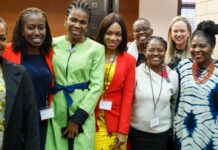
In urban settings like Lagos, the atmosphere pulsates with activism. Festooned with banners and resplendent with the colors of various feminist movements, the day typically begins with spirited marches. These demonstrations are not merely celebratory; they are a clarion call to address gender-based violence, economic disparity, and political disenfranchisement. Women, adorned in colorful attire, often carry placards demanding equal rights and representation. Such public displays of solidarity resonate deeply within the communities, inspiring both men and women to partake in the ongoing dialogue surrounding gender equity.
Moreover, these urban festivities are enriched by performance arts. Poets, musicians, and actors come together to showcase their art, encapsulating the struggles and aspirations of women. For instance, collaborative performances featuring narratives centered on women’s history allow attendees to reflect on their beloved heroines while invigorating a sense of pride. Such artistic expressions are not confined to the stage; workshops and forums proliferate throughout the city, ensuring continuous engagement with pressing issues.
Contrastingly, in rural locales, Women’s Day assumes a more intimate form of celebration, often infused with time-honored traditions. Here, communal gatherings take precedence, highlighting the importance of collective female alliance. Women converge in grand circles, adorned in traditional attires celebrating their distinct ethnic identities. The day’s essence often includes storytelling sessions where matriarchs regale younger generations with folktales – these stories are not mere entertainment; they are an oral history of resilience and empowerment, serving both as an inspiration and a guiding compass for the future.
As part of these rural festivities, cooking and sharing meals becomes a vital traditional element. Women often prepare unique local dishes, reinforcing the communal bond and celebrating their cultural heritage. This culinary tradition serves as a tangible exhibit of women’s roles within families and communities; it emphasizes nurturing, sustenance, and culture. Such acts of sharing food and heritage are a reminder of the intrinsic roles women play in preserving tradition while also acting as agents of change.
In another facet of Women’s Day celebrations, many Nigerian women take the opportunity to engage in philanthropic endeavors. From fundraisers to community service, women leverage this day to uplift those struggling economically or socially. This spirit of giving reflects the notion that empowerment transcends personal success; it is intrinsically linked to collective progress. These initiatives often face obstacles such as inadequate funding, yet the determination exhibited by women underscores their resilience and commitment to communal upliftment.
Moreover, the digital landscape plays an increasingly influential role in shaping contemporary Women’s Day reflections. With the proliferation of social media, women leverage platforms to amplify their voices, sharing personal stories of triumph or adversity while advocating for change. Hashtags trending on platforms resonate globally, creating a sense of unity among women across borders. This virtual mobilization enables discussions that transcend regional boundaries, but it also raises pertinent questions: How well do these digital movements acknowledge the unique experiences of Nigerian women? Are they inclusive of the intersections of race, class, and socio-economic status?
As one contemplates the diverse customs and spirited celebrations, it is essential to recognize that the journey towards gender equality remains fraught with challenges. Traditional gender roles can still stifle the agency of women in various regions. In addressing this, the advocacy for women’s rights must not only become a collective endeavor but also intentional in its inclusivity. Engaging men as allies in this fight will prove critical. Their involvement in Women’s Day celebrations; active participation in discussions, and commitment to dismantling patriarchal structures will lead to a more equitable society.
In conclusion, Nigerian customs and traditions surrounding Women’s Day are a testament to the resilience, creativity, and vibrancy of women’s voices. These celebrations—spanning marches, artistic expression, storytelling, culinary gatherings, and philanthropic initiatives—embody a holistic view of women’s roles in demanding freedom and equal rights. They shine a light on the diverse journeys women navigate while amplifying the chorus of voices advocating for transformation. To honor and support these women is to not just celebrate them on a single day but to carry their stories and struggles forward, reminding us that this pursuit of equality is both a personal and a collective endeavor.