
















As one traverses the intricate tapestry of history along the Silk Road, one might ponder: how can the rich cultural exchange fostered by this ancient trade route influence contemporary women’s rights in regions like Azerbaijan? In this vibrant intersection of tradition and modernity, the struggle for women’s emancipation emerges as a potent theme—one rife with complexity, challenges, and hope.
Azerbaijan, a nation steeped in a tapestry of historical opulence and contemporary strife, presents a compelling case study in the ongoing battle for women’s rights. Nestled between East and West, the nation not only served as a pivotal trade hub but also as a crucible for intense cultural interactions. However, within this kaleidoscope of influences, women have often found themselves marginalized, relegated to the shadows of progress. This raises a crucial question: can the legacy of the Silk Road, known for its vibrant exchange of ideas and philosophies, also become a catalyst for transformative change in women’s rights?
Historically, the status of women in Azerbaijan has been a reflection of wider societal norms, heavily influenced by both patriarchal structures and socioeconomic conditions. The Soviet era brought with it a façade of progress, where women were ostensibly granted rights to work and education. Yet, this veneer of equality masked deeper issues of autonomy and personal agency. Women’s labor was often co-opted into a state-centric narrative that failed to acknowledge the unique struggles they faced. Despite high literacy rates, the societal expectations remained stubbornly traditional, burdening women with responsibilities that eclipsed their burgeoning independence.
Fast forward to the present, and we see a paradox: while Azerbaijan boasts a degree of political stability, its women continue to grapple with entrenched gender norms. Despite legislative advancements, including the ratification of the Convention on the Elimination of All Forms of Discrimination Against Women (CEDAW), many Azerbaijani women still fight an uphill battle against pervasive gender-based violence and discrimination. The reality on the ground starkly contrasts with the ideals enshrined in international treaties. So, where do we draw the line between policy and practice?
The disparity between laws and their implementation raises a provocative challenge: how can Azerbaijani women marshal both their historical lineage and contemporary aspirations to forge a path toward real emancipation? The answer may lie in harnessing the unique cultural narratives that permeate the country—narratives that are often overlooked in mainstream discussions surrounding women’s rights. For instance, folklore and oral traditions reveal a distinct perspective on femininity and power that could be instrumental in reshaping societal perceptions.
Moreover, women’s participation in various socio-economic sectors remains pivotal. The flourishing oil and gas industry, though male-dominated, has created new opportunities for women to assert their agency. However, this leads us to another pressing question: do these advancements translate into genuine empowerment, or do they simply reinforce existing hierarchies? The answer is nuanced. While women are increasingly present in the workforce, they often encounter systemic barriers that prevent them from ascending to leadership roles. Their contributions are vital, yet they frequently remain unrecognized and undervalued.
Moreover, the intersectionality of class, ethnicity, and geography complicates the struggle for women’s rights in Azerbaijan. Women from rural backgrounds face unique challenges, often trapped in cycles of poverty and traditionalism. In urban centers, while there may be greater access to education and job opportunities, the societal pressures that dictate a woman’s worth often remain unchanged. Thus, the quest for emancipation is not merely a linear progression but rather a multifaceted struggle that requires a comprehensive understanding of the various forces at play.
In the digital age, technology presents a potential balm for these age-old wounds. Social media platforms have become virtual sanctuaries where Azerbaijani women can unite, share their experiences, and amplify their voices. These online communities serve as powerful tools for activism, allowing women to challenge the status quo and foster solidarity. Yet, this newfound freedom is not without its detractors. The reality of online harassment and patriarchal backlash often looms large, posing yet another obstacle to emancipation. Can the digital landscape truly facilitate change, or does it merely replicate existing power dynamics in a new form?
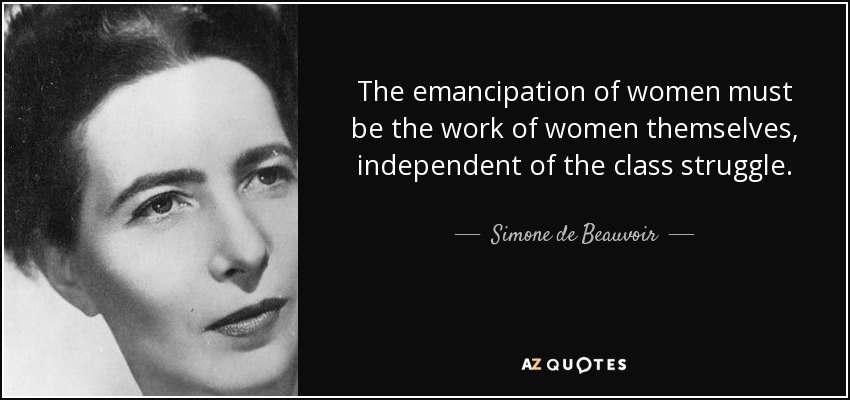
As we delve deeper into the intricacies of women’s rights along the Silk Road and within Azerbaijan, it becomes clear that the fight for women’s emancipation is far from over. It requires a confluence of grassroots activism, governmental accountability, and societal transformation. While the echoes of the past continue to shape the present, they also provide a canvas upon which future generations can paint their narratives of resistance and resilience.
In conclusion, women’s emancipation in Azerbaijan is not an isolated endeavor but rather a pivotal element in the broader spectrum of human rights. The cultural and historical legacies interwoven in the fabric of the Silk Road offer both challenges and opportunities. As we reflect on these dynamics, one is left to consider: how will future generations of Azerbaijani women harness the power of their heritage to carve out a more equitable existence? Only time will tell, but the journey toward fulfillment and freedom for women stands as a testament to the enduring spirit of resistance against oppression.