

















In the vibrant tapestry of West African culture, each thread symbolizes a struggle, a tradition, and an evolution of identity. Within this intricate weave, women have often found themselves caught between the rich heritage of their ancestors and the pressing tides of modernity. In Benin, a nation steeped in history yet poised on the cusp of transformation, the issue of women’s emancipation is not merely a topic of discussion — it’s a revolutionary battleground where rights are reclaimed and cultural mores are reshaped.
The struggle for women’s rights in Benin can be likened to the tale of a phoenix, rising from the ashes of historical oppression and societal constraints. A country notable for its dynamic past, Benin has seen the suppression of women through colonial legacies, patriarchal traditions, and societal norms that were often antithetical to their empowerment. Yet, as the sun reinvigorates the day, so too do women in Benin challenge the antiquated ideologies that bind them.
Women in Benin — a mosaic of mothers, activists, entrepreneurs, and leaders — are not simply waiting for emancipation; they are architects of their destinies. The feminist movements here pulsate with a unique rhythm, one that fuses traditional roles with modern aspirations. No longer content to be mere footnotes in the annals of their society, women are making headlines, galvanizing communities, and asserting their rights in unprecedented ways. The winds of change are undeniable, calling for a re-examination of the cultural narratives that have dominated for far too long.
At the heart of this transformation lies education — the crucible of intellectual liberation. Educated women in Benin are spearheading movements, breaking the chains imposed by both tradition and ignorance. Schools evolve into sanctuaries for advocacy where literacy fosters self-awareness and awareness engenders resilience. However, the journey towards educational equity is fraught with obstacles. Deep-rooted misogyny, child marriage, and poverty still conspire to curtail the aspirations of countless girls. Overcoming these barriers requires a systemic overhaul, one that recognizes the intrinsic value of educating girls not just as an act of benevolence, but as a pragmatic strategy for societal advancement.
Economic independence emerges as another cornerstone of women’s emancipation in Benin. The struggle for financial autonomy is akin to the rising tide, requiring not merely acknowledgment but active support from governmental and non-governmental entities. Women have historically been relegated to the informal economy, their contributions overlooked and undervalued. Yet, the burgeoning entrepreneurial spirit is transforming this narrative. Female-led businesses ripple through local economies, invigorating communities while dismantling age-old stereotypes. The success of women entrepreneurs challenges the status quo, proving that empowered women contribute not only to their families but to the fabric of society at large.
Yet, like a river’s course, the flow toward empowerment is not linear. Cultural resistance poses significant challenges. The juxtaposition of traditional beliefs with progressive ideals often results in friction, creating an intricate dance between reverence for heritage and the assertion of modern rights. This conflict can incite backlash. Women vocal about their rights may encounter hostility, ostracism, or violence. Nevertheless, this turbulence is the crucible from which stronger movements emerge, highlighting the urgency for a nuanced dialogue that integrates traditional values with contemporary rights.
The advent of social media has been a catalyst for change, providing a platform where women’s voices echo across borders. Platforms that once merely served as forums for social interaction now act as amplifiers for activism. Women’s rights advocates in Benin harness the power of digital narratives to share their stories, mobilize supporters, and incite action. Each tweet, each post inspires ripples of solidarity that defy geographical limitations. In an increasingly interconnected world, the plight of women in Benin resonates globally, galvanizing support and enriching the narrative of emancipation.
Challenging legislative frameworks is another front in the fight for women’s emancipation. In a landscape where laws often falter in safeguarding women’s rights, the push for robust legal reforms is imperative. Advocacy groups tirelessly work to revise laws, ensuring they not only protect women’s rights but also empower them to pursue opportunities without fear. However, legal victories alone are insufficient; they must be accompanied by grassroots movements that translate policy into reality on the ground. The law is a powerful tool, yet its effectiveness hinges on widespread societal acceptance and enforcement.
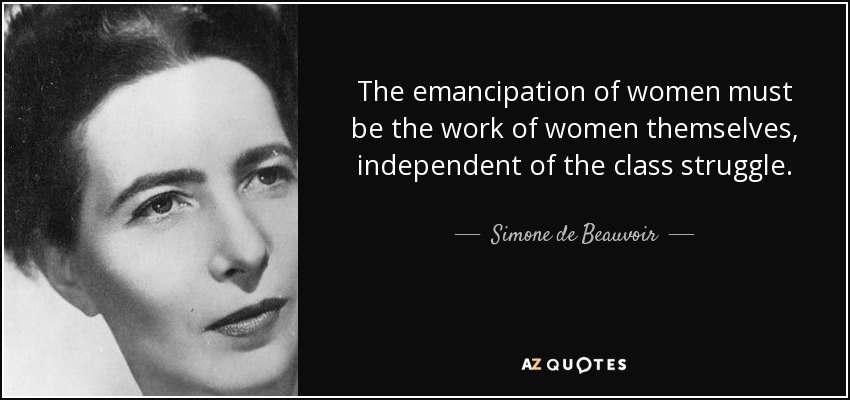
As Benin stands at this pivotal junction, the interplay of cultural shifts and women’s rights presents an opportunity not only for the nation but for the broader African continent. The emancipation of women is not an isolated pursuit but a shared journey toward realizing human dignity in all its forms. Feminism in Benin is not merely about women’s liberation; it embodies a profound transformation in societal values where equality becomes a collective aspiration rather than a battleground
.
While the valley of oppression may have cast long shadows, the mountains of resilience tower higher. Voices that once whispered in the recesses of society now resonate with clarity, echoing the undeniable truth: when women rise, communities flourish. Thus, the emancipation of women in Benin embodies a profound axiom: the liberation of women is a harbinger of evolutionary change that transcends boundaries, illuminating paths toward a more equitable future for all.